As Trump turns 80, older Americans explain why they keep working
Trump's 80th birthday puts a larger question in focus: older Americans are still working, and voters weigh age against stamina, judgment and results.

Donald Trump turns 80 with the country once again debating what age means in public life, but the sharper question is practical: what does it actually take to keep working well into one’s 80s, especially in jobs that carry national consequences? The answer is not a slogan or a stereotype. It is a mix of health, routine, finances, family responsibilities, and the institutional guardrails that shape whether older adults can keep contributing or start stepping back.
Age in public life is now a governing issue
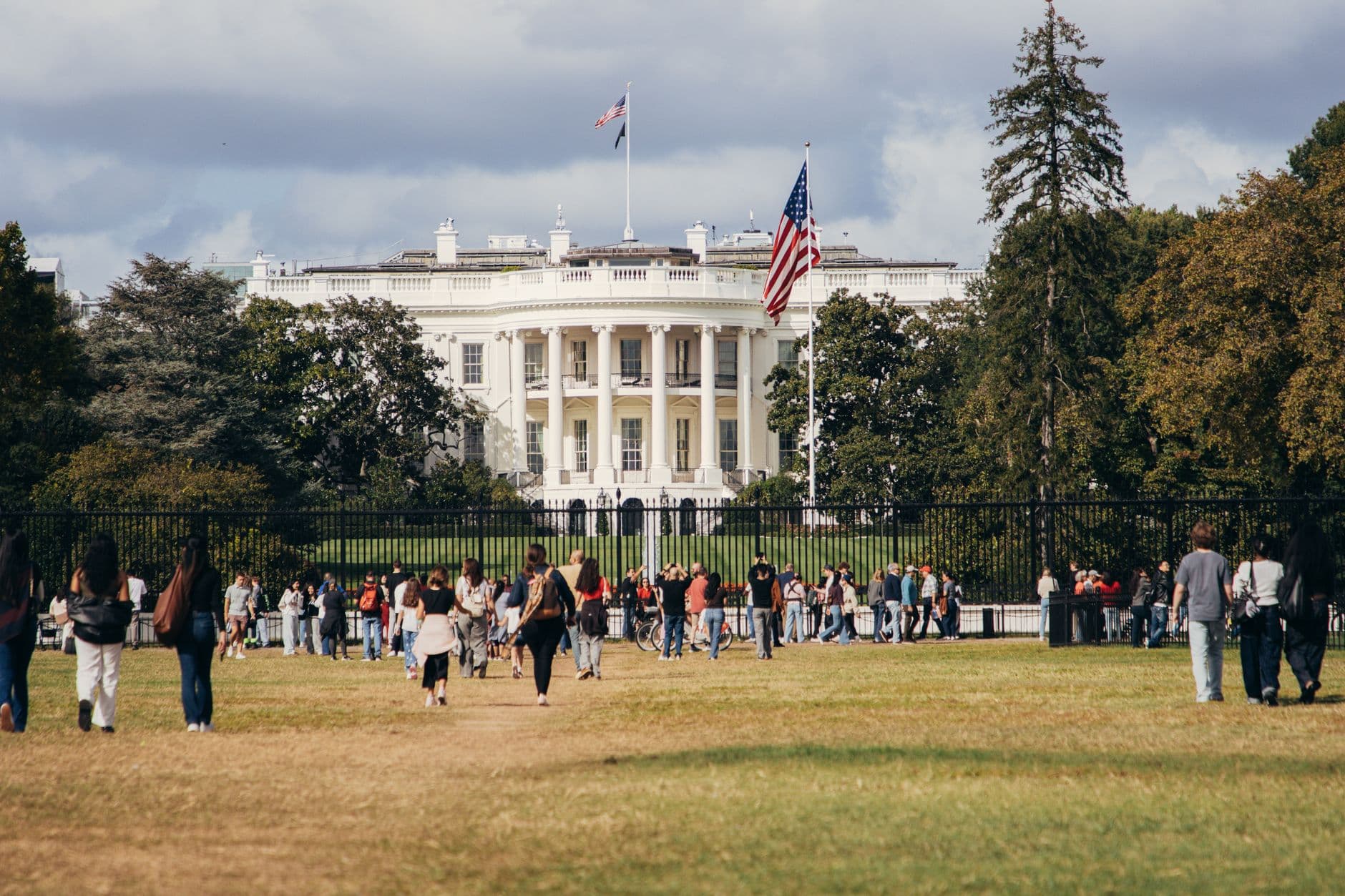
Trump’s 80th birthday makes him only the second octogenarian to serve in the White House. That alone explains why age has become more than a talking point: it is now part of the operational discussion about presidential fitness, legislative capacity, and the pace of decision-making in Washington.
The issue reaches far beyond one office. In 2026, 24 members of Congress are 80 or older, including Sen. Chuck Grassley of Iowa, who is 92 and the oldest sitting lawmaker. Grassley is also the Senate’s president pro tempore, which places him third in line to the presidency. Those numbers matter because voters are not just choosing individuals. They are choosing institutions led by people whose age can shape the rhythm of hearings, negotiations, travel, and crisis response.
Working past 80 is not an anomaly
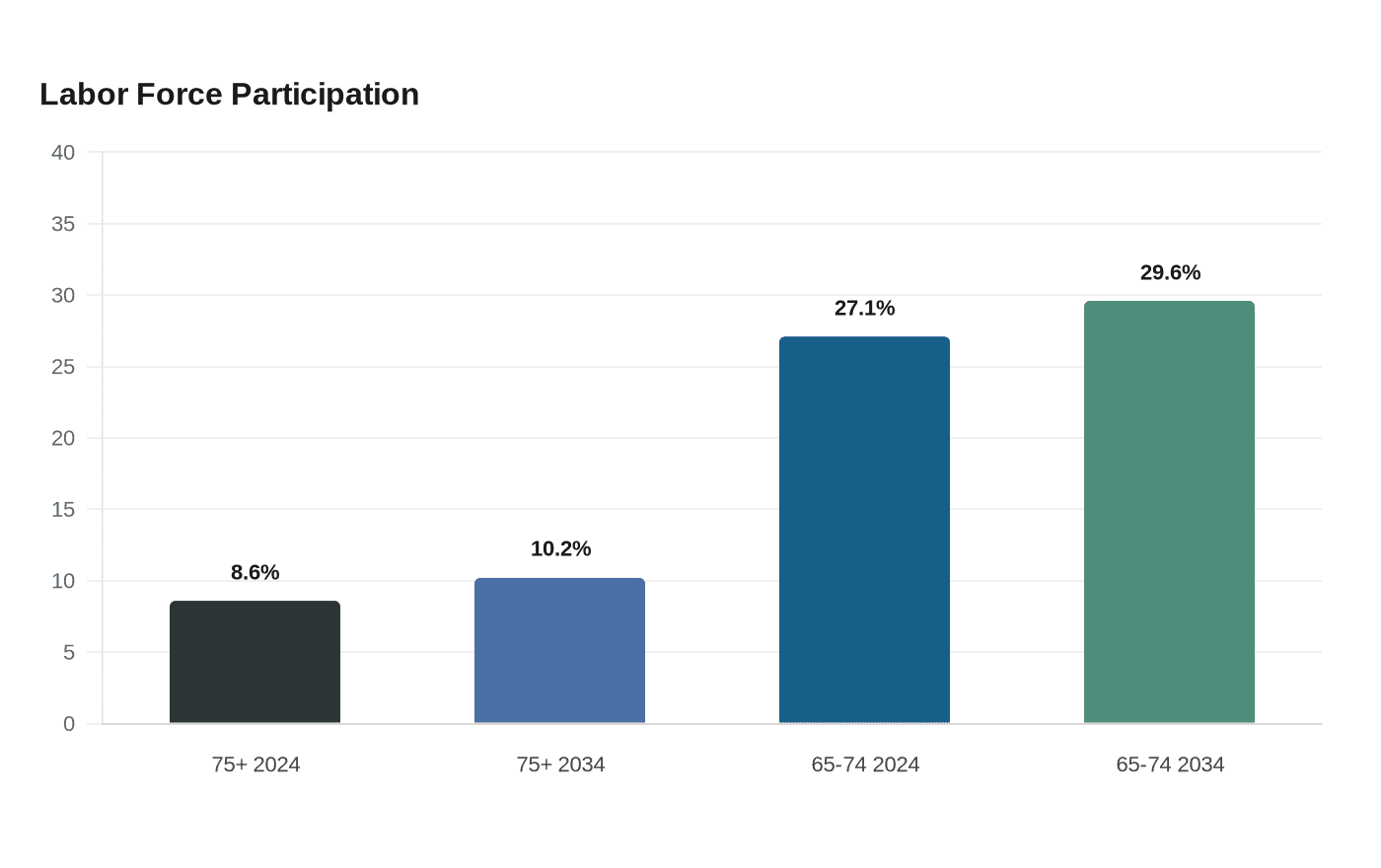
Older Americans are not staying in the labor force in small numbers. The Bureau of Labor Statistics says the labor force participation rate for people 75 and older was 8.6% in 2024 and is projected to reach 10.2% by 2034. For people 65 to 74, the rate was 27.1% in 2024 and is projected to rise to 29.6% by 2034. In 2025, 19.1% of people age 65 and older were participating in the labor force by working or looking for work.
The broader trend is even clearer in Census Bureau research. Workers age 55 and older have been the fastest-growing age group in the labor force for more than two decades, and they made up 24% of the U.S. workforce in 2022, up from 10% in 1994. That shift means later-life work is no longer a niche phenomenon. It is a structural feature of the labor market, with implications for retirement policy, workplace design, and succession planning.
Why older adults keep going
People keep working in their 80s for different reasons, and many of those reasons overlap. Some do it by choice, some out of necessity, and many because they need a combination of income, purpose, and flexibility. AARP says older adults are often rethinking careers, schedules, flexibility, and caregiving responsibilities, and its 2026 data digest says financial and labor-market pressures still shape work decisions later in life.
Since the pandemic began, AARP has also found that workers age 50 and older are figuring out how to manage work-life balance, workplace schedules and flexibility, family time, and caregiving responsibilities. That is important because it pushes back against the simplistic idea that older workers remain on the job only out of stubbornness or status. In many cases, they are adapting to the same tradeoffs that shape work at every age, but with fewer years left to rebuild savings or restart a career.

Health, cognition and job performance are not the same thing
The National Institute on Aging says some thinking changes are common with aging, including slower word recall, more difficulty multitasking, and mild attention declines. That does not automatically translate into lower value, lower judgment, or weaker performance. It does mean public discussion should be precise about which abilities matter most in a given role.
In national office, the most relevant questions are often about stamina, concentration, memory under pressure, and the ability to process competing demands without losing discipline. The NIA’s healthy-aging guidance also emphasizes exercise, diet, regular medical care, and mental health, all of which can affect how well an older adult functions in a demanding role. The public should expect evidence of capacity, not assume it from age alone.

The rules of later-life work are built into federal policy
Social Security policy is one of the main reasons older Americans can phase work and retirement rather than making a hard exit. The Social Security Administration says people can generally apply for retirement benefits at age 62 and can often keep working, though earnings rules can affect benefits before full retirement age. That structure gives many workers a way to reduce hours, supplement income, or delay a full retirement decision.
Those rules matter because they shape behavior at scale. They help explain why older workers continue to show up in offices, small businesses, civic roles, and elected office. They also show why any debate about age in public life cannot ignore the economics of aging in America. If retirement income is tight, the choice to keep working may be less about ambition than about arithmetic.
What voters should measure
Age is a relevant fact, but it is not a full evaluation. Voters should look at whether an older officeholder can sustain the workload, handle stress, absorb new information, and make decisions without relying on others to carry the load. In Congress, that means committee attendance, participation in negotiations, and responsiveness during major legislative fights. In the White House, it means command of the schedule, clarity under pressure, and the ability to execute across agencies and crises.
The most responsible public standard is neither deference nor dismissal. It is scrutiny. Trump’s birthday, Grassley’s longevity, and the aging of Congress all point to the same democratic reality: the country is being governed by older Americans, and many older Americans are still working because they remain capable, need the income, or both. The task for voters is to judge age as one factor among several, while demanding proof of stamina, judgment, and performance where the consequences are national.
This article was produced by Prism’s automated news system from verified source data, official records, and press releases, then run through automated quality and moderation checks before publishing. The system is built and supervised by the people who set the standards it runs under. Read our full AI policy.
Know something we missed? Have a correction or additional information?
Submit a Tip