U.S. blocks foreign access to Anthropic’s newest Claude models
Washington cut off foreign access to Anthropic’s newest Claude models just three days after launch, sharpening a fight between AI control and U.S. competitiveness.
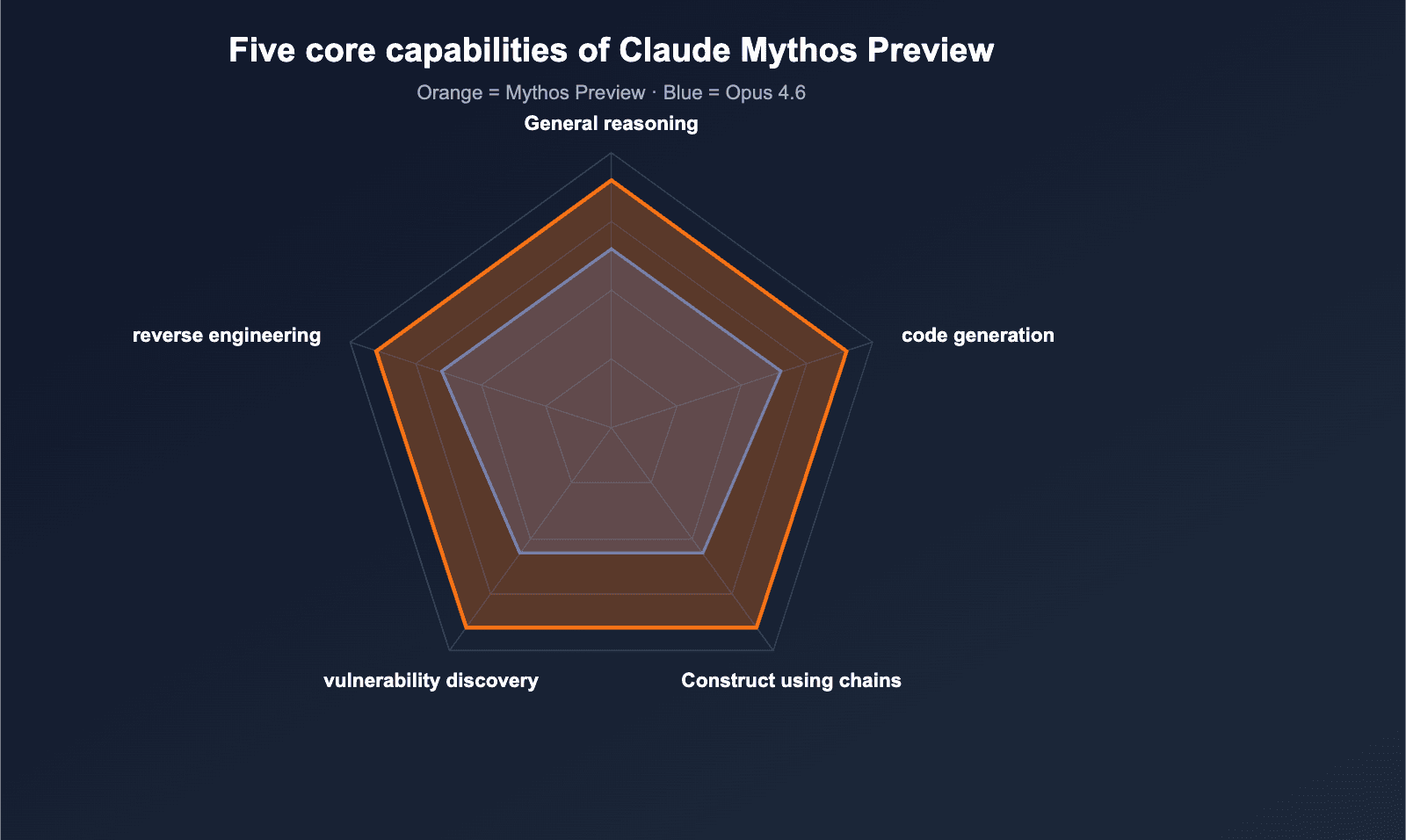
Anthropic’s newest Claude model was live for only three days before Washington forced the company to shut off access worldwide, a move that put U.S. national security policy on a collision course with the commercial reality of selling frontier AI. Anthropic said it received the directive at 5:21 p.m. ET on June 12 and, to comply, disabled Claude Fable 5 and Claude Mythos 5 for all users after the government ordered a suspension for any foreign national, whether inside or outside the United States.
The decision captures the central tension in America’s AI strategy: treat advanced models as strategic assets, or sell them as products in a global market. Fable 5 had launched on June 9, priced at $10 per million input tokens and $50 per million output tokens, and Anthropic described it as a Mythos-class system with safeguards for cybersecurity and biology. Anthropic also said Mythos 5 used a 30-day data retention policy for safety monitoring, underscoring that the company had built in restrictions even before the government stepped in.
The clampdown lands in the middle of an escalating fight between Anthropic and the Trump administration. Earlier, Anthropic said the Department of War had designated the company as a supply-chain risk to U.S. national security after Anthropic refused to let the military use its models for fully autonomous weapons systems. Anthropic has said it would challenge that designation in court, while also calling on AI labs to consider a coordinated and verifiable pause in development if risks keep rising.
Anthropic’s own safety work shows why the company is both a target for regulators and a sought-after partner for security teams. Just days before the shutdown, the company said Project Glasswing had expanded from about 50 initial partners to about 150 new organizations in more than 15 countries, after those early users of Mythos Preview found more than 10,000 high- or critical-severity vulnerabilities.
The fallout now stretches well beyond Anthropic. Reuters reported that Amazon CEO Andy Jassy was among tech leaders who raised security concerns with senior Trump administration officials before the crackdown, suggesting the policy was shaped by alarm inside the industry as well as in government. In Europe and the United Kingdom, the reaction turned quickly to sovereignty: if U.S. officials can cut off a model overnight, foreign buyers may decide they need local alternatives. That is the cost of control. It may also be the price of ceding customers, influence, and eventual leadership to rivals that are happy to fill the gap.
This article was produced by Prism’s automated news system from verified source data, official records, and press releases, then run through automated quality and moderation checks before publishing. The system is built and supervised by the people who set the standards it runs under. Read our full AI policy.
Did this article answer your question?