Comey asks judge to dismiss Trump threat charges over seashell post
Comey asked a federal judge to throw out charges over a seashell photo, arguing the case turns protected political speech into a criminal threat.
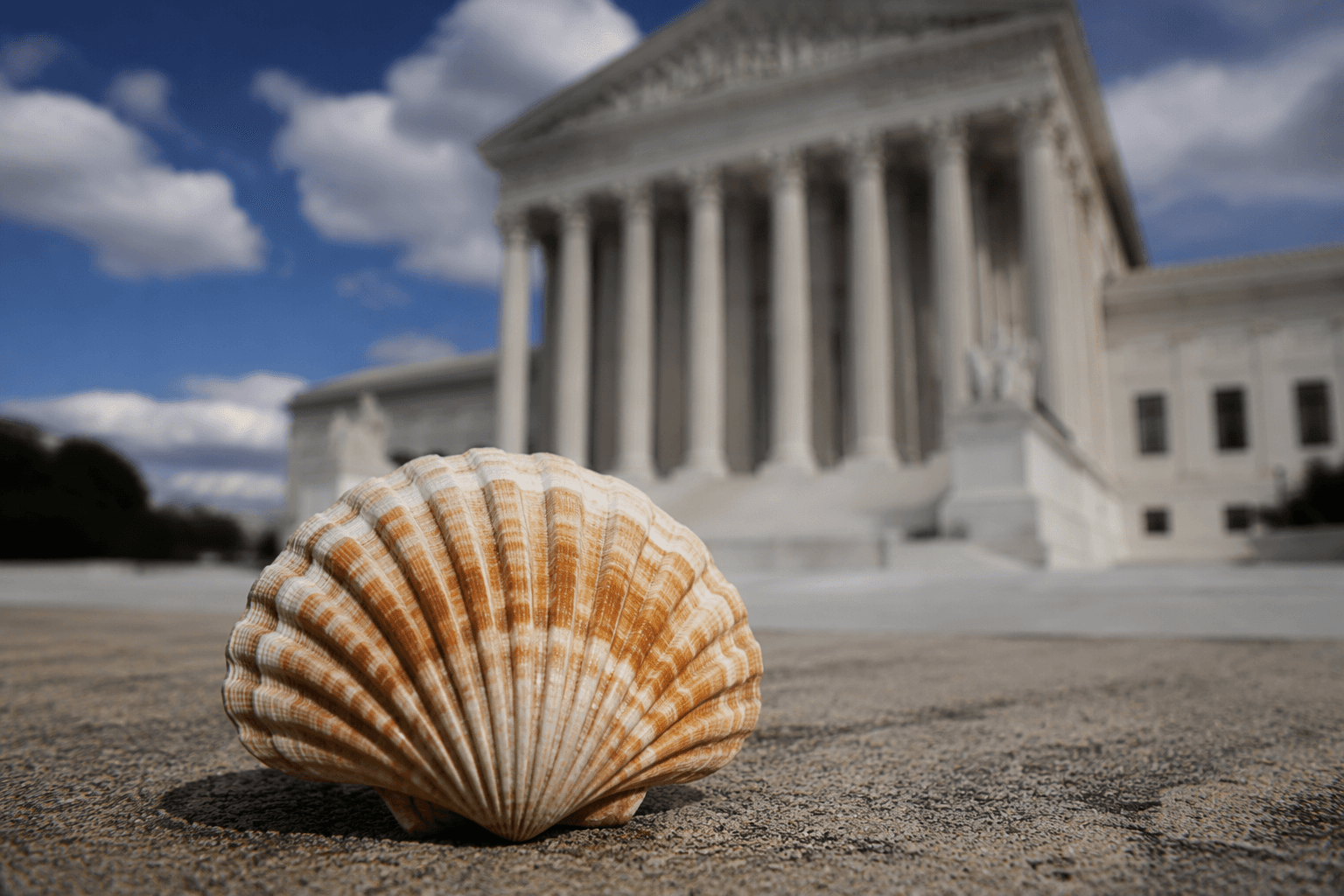
James Comey asked a federal judge late Tuesday to dismiss federal charges over an Instagram photo of seashells arranged to spell “86 47,” pressing the court to decide how far prosecutors can go in treating provocative political symbolism as a criminal threat. The former FBI director was charged in April 2026 in the Eastern District of North Carolina with making threatening communications and interstate transmission of threats.
Comey’s lawyers say the post was protected political speech under the First Amendment and did not amount to a true threat. Prosecutors have said the image threatened President Donald Trump’s life, making the case a direct test of the legal line between ugly or abrasive political expression and speech that can be punished as a federal crime.
The defense also says the Trump Justice Department engaged in selective and vindictive prosecution, an accusation that could push the court into examining whether the case was driven by politics rather than law. Comey’s filing says government agents conducted illegal surveillance after the post, and separate defense claims say investigators omitted key facts and distorted others while building the case.
New documents in the case say Comey was tracked physically and electronically as he drove along Interstate 95 from North Carolina to Virginia in 2025, beginning the day after he posted the seashell image. Other filings say President Trump personally followed the effort to investigate Comey and demanded details about agents’ interview of the former FBI director. Those allegations place the case inside a broader fight over whether federal power is being used neutrally or as leverage against a longtime critic.
The stakes extend beyond Comey himself. The government’s theory rests on the idea that “86 47” crossed the line into a true threat, a standard that courts use to separate protected speech from criminal conduct. If the defense persuades the judge that the post was political expression, or that the investigation was tainted by selective enforcement and surveillance misconduct, the ruling could shape how future administrations handle politically charged posts, symbols and online speech.
This article was produced by Prism’s automated news system from verified source data, official records, and press releases, then run through automated quality and moderation checks before publishing. The system is built and supervised by the people who set the standards it runs under. Read our full AI policy.
Did this article answer your question?