Fauci invokes Fifth Amendment before Senate hearing on pandemic response
Anthony Fauci refused Senate questions under the Fifth Amendment, while Republicans pointed to his diaries and prior testimony as they pushed to build a public record of the pandemic response.

Anthony Fauci invoked the Fifth Amendment before a Republican-led Senate committee on Wednesday, refusing to answer questions about his handling of the COVID-19 pandemic. The move immediately sharpened a long-running fight over how the federal response should be judged and what evidence will ultimately anchor the public record.
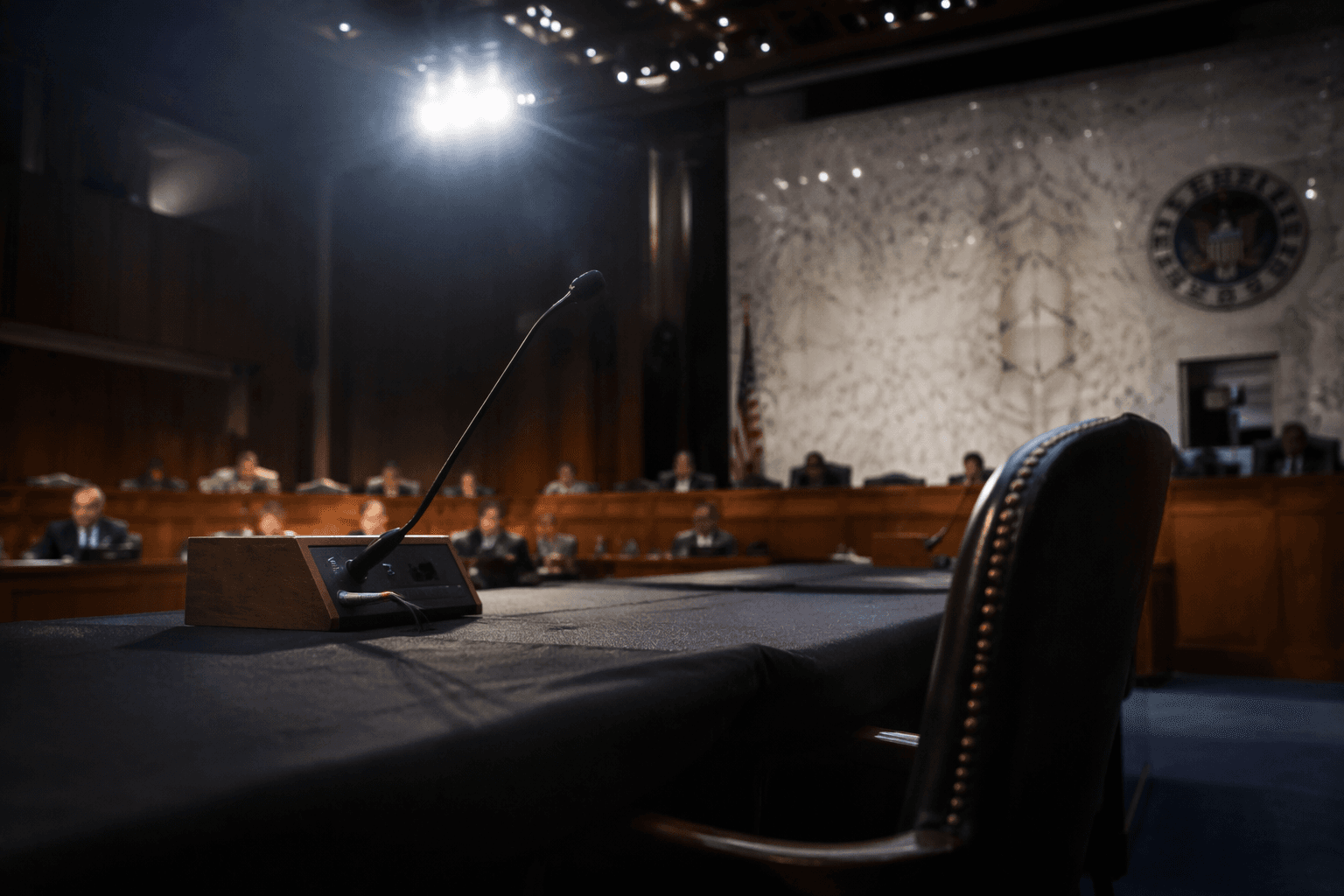
The hearing took place before the Senate Homeland Security and Governmental Affairs Committee, chaired by Sen. Rand Paul of Kentucky, who has long accused Fauci of deceiving Americans about the origins of COVID-19. Fauci, the former director of the National Institute of Allergy and Infectious Diseases and former chief White House medical adviser, had been scheduled to testify but declined to answer senators’ questions.
Republicans said the hearing came after the release of Fauci’s private pandemic diary entries, which they argued raised fresh questions about his public statements and decision-making. The diary material added another layer to an inquiry that has already moved far beyond a single day of testimony, with lawmakers looking for a paper trail that can withstand political attacks and legal scrutiny.
Fauci had already sat for a closed-door, two-day, 14-hour transcribed interview earlier in 2024 with the House Select Subcommittee on the Coronavirus Pandemic. The same panel later held a public hearing titled “A Hearing with Dr. Anthony Fauci” on June 3, 2024, at 2154 Rayburn House Office Building in Washington, D.C. That hearing, chaired by Rep. Brad Wenstrup of Ohio, was described by the committee as Fauci’s first public testimony since retiring from public service.
House Oversight Committee Chairman James Comer, a Kentucky Republican, also said a pardon from President Joseph Biden would not shield Fauci from congressional testimony or other scrutiny. The dispute underscored how Congress is still trying to establish a definitive account of the pandemic response, with Fauci’s answers, and now his refusal to answer, becoming only one part of a larger evidentiary record.
For lawmakers pressing the case against Fauci, the Senate hearing did not supply clarity so much as another entry in a document trail that already includes transcribed testimony, public hearings and private diary entries. For the committees on Capitol Hill, that record is now as important as Fauci’s words were.
This article was produced by Prism’s automated news system from verified source data, official records, and press releases, then run through automated quality and moderation checks before publishing. The system is built and supervised by the people who set the standards it runs under. Read our full AI policy.
Did this article answer your question?