ASE raises 2026 capex by $2 billion on strong demand
ASE lifted 2026 capex to about $10.5 billion as packaging and test lines tightened, signaling the AI chip bottleneck is shifting after the wafer stage.
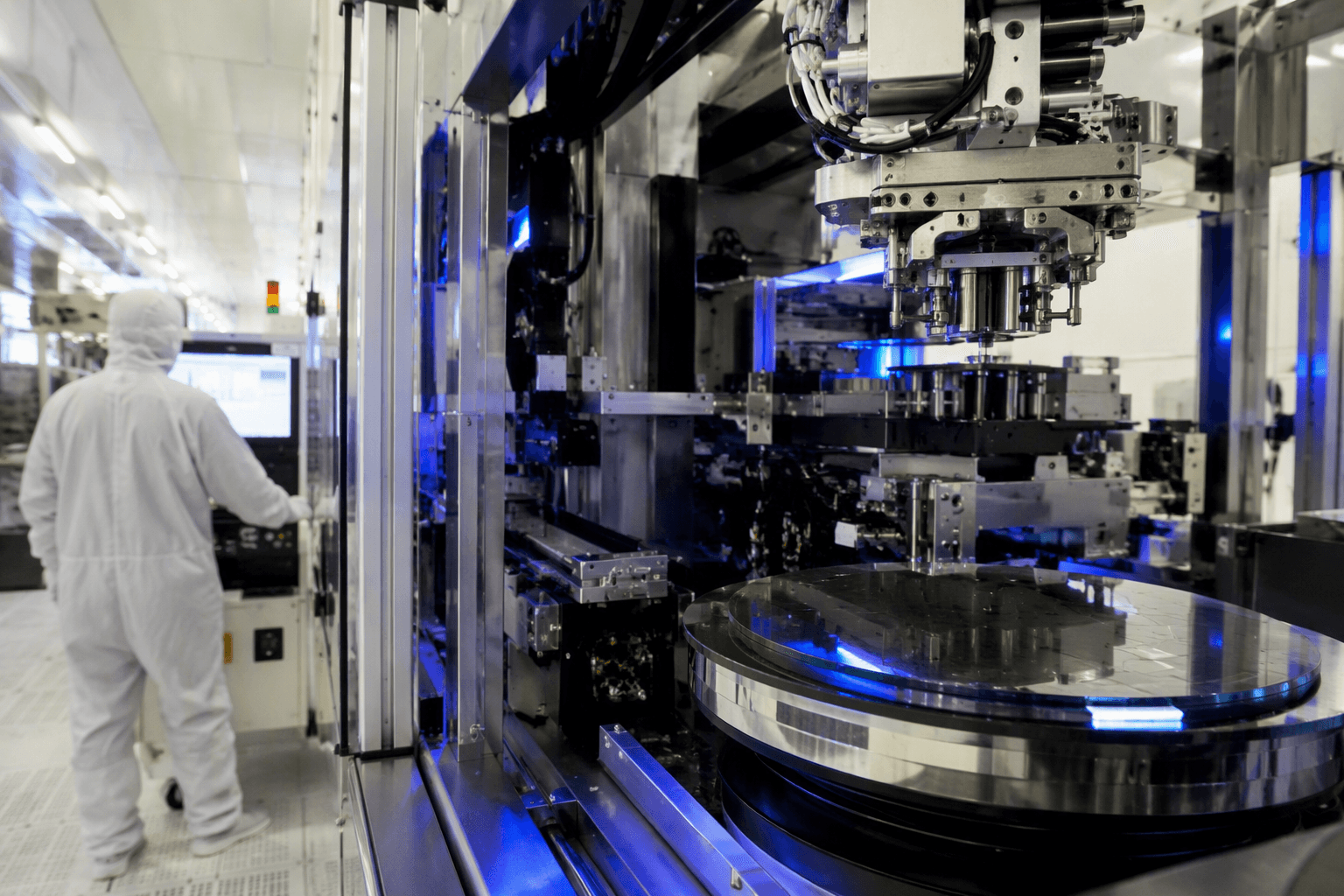
ASE Technology Holding added $2 billion to its 2026 capital spending plan after demand for advanced packaging and testing stayed strong, pushing the total to about US$10.5 billion from a prior record plan of roughly US$8.5 billion. The increase is a blunt signal that the strain in the chip supply chain is moving downstream, where finished dies are assembled, tested and prepared for AI servers, data-center gear, smartphones and automotive electronics.
The company’s second-quarter numbers backed up the spending jump. ASE said revenue rose 27% from a year earlier and that diluted earnings per share reached $0.29, above consensus estimates of $0.20. Management told investors that customers were asking for more devices in the third and fourth quarters and that the constraint was not demand but capacity, especially in the most specialized parts of the business. ASE also guided third-quarter ATM revenue growth at 11% to 13% sequentially, with ATM gross margin at 28% to 29%, after second-quarter ATM gross margin of 27.3%.
That matters well beyond Taiwan. Advanced packaging has become one of the deciding steps in whether AI chips, data-center processors and high-performance electronics actually make it out of the lab and into commercial systems. ASE said its LEAP revenue should exceed its earlier US$3.5 billion forecast by about US$200 million in 2026 and roughly double again in 2027, a measure of how quickly the most sophisticated packaging work is becoming central to the AI buildout. The company also said full-year ATM growth should be roughly 30% and that fourth-quarter gross margin should move above 30%.
ASE is spreading the investment across 13 greenfield projects and 8 brownfield projects, with about US$4.0 billion earmarked for buildings and facilities and about US$6.5 billion for equipment. Roughly 40% of that equipment budget is going to test tools. The company said its blended utilization rate was 80% to 85%, but wafer-sort and final-test capacity were near full, while non-LEAP wire-bond lines and traditional advanced-packaging capacity were tight. Those are the exact choke points that can slow delivery to U.S. AI, cloud and electronics customers even when chip demand is strong.

The spending spree is not cheap. One earnings summary put ASE’s interest-bearing debt at NT$306.2 billion, up NT$40.9 billion, with net debt to equity at 47%. ASE said it still had NT$396.2 billion in unused credit lines, but it also warned that negative cash flow would last for some time as it builds out capacity. For investors betting on AI hardware and the companies promising more chips to the market, ASE’s move shows the next bottleneck is not just making chips. It is packaging and testing them fast enough to ship.
This article was produced by Prism’s automated news system from verified source data, official records, and press releases, then run through automated quality and moderation checks before publishing. The system is built and supervised by the people who set the standards it runs under. Read our full AI policy.
Did this article answer your question?