US regulators open door to driverless cars without steering wheels
Federal regulators gave Zoox a temporary exemption for driverless vehicles without steering wheels, and the next test may be whether brake pedals can disappear too.
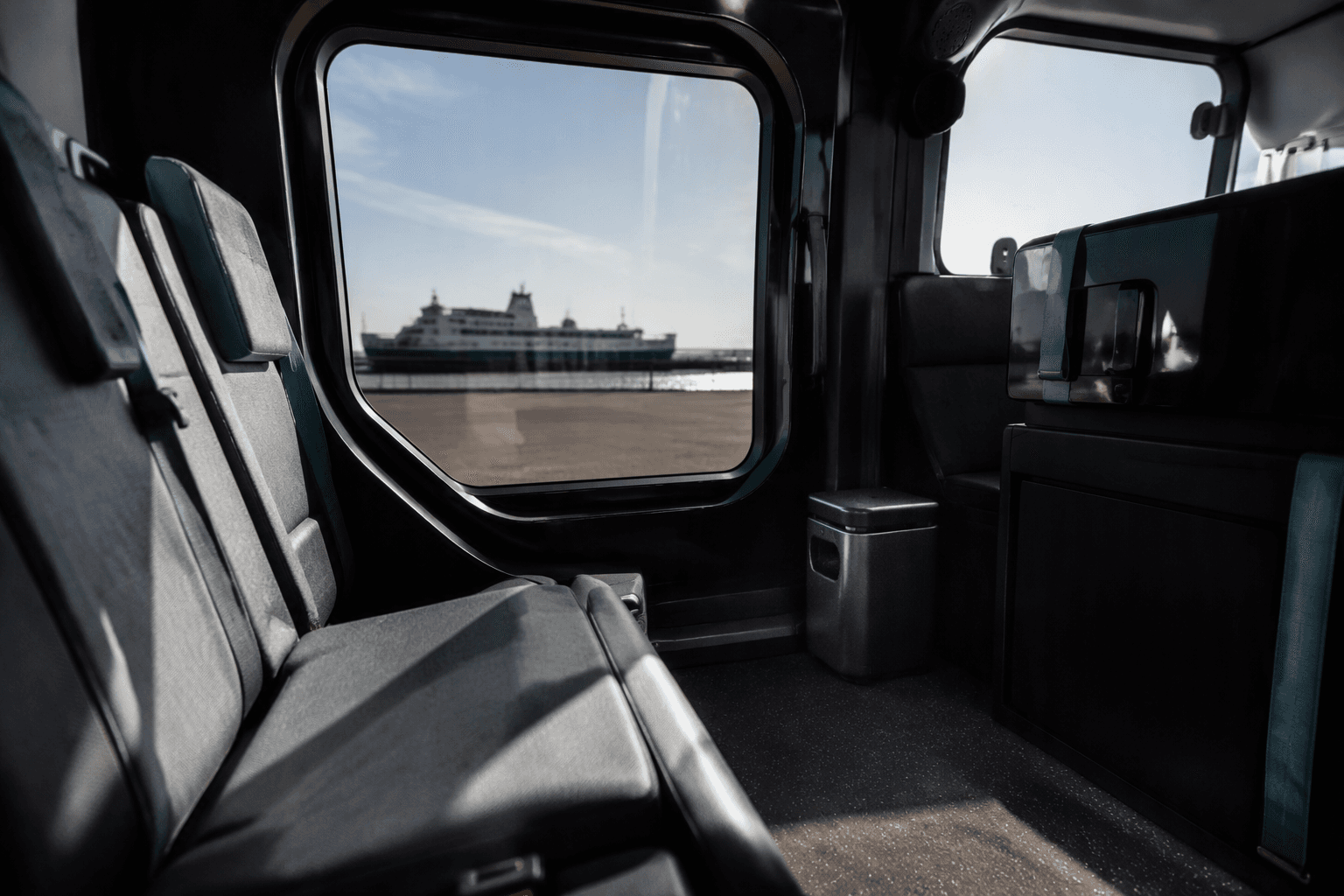
Federal regulators granted Zoox a temporary exemption that lets its automated driving system-equipped vehicle operate without portions of the usual federal safety hardware requirements, a sign that Washington is willing to judge some robotaxis by a different standard than human-driven cars. The notice, dated July 31, covers portions of multiple Federal Motor Vehicle Safety Standards and comes as officials confront a bigger question: how far a public-road vehicle can depart from the familiar steering wheel-and-pedal layout before it is still considered safe.
That shift did not happen overnight. In March 2022, NHTSA cleared the way for truly driverless vehicles without steering wheels, opening a path for purpose-built robotaxis rather than retrofitted sedans. The agency’s current framework, announced by Transportation Secretary Sean P. Duffy on April 24, 2025, says NHTSA will take a multi-pronged approach that addresses both the vehicle’s design and the automated driving system controlling it. In a January 21, 2026 presentation, the agency said its framework principles are to prioritize the safety of ongoing AV operations, remove unnecessary regulatory barriers and enable commercial deployment to improve safety and mobility.
The mechanism for these approvals matters as much as the headline. Under Part 555, NHTSA can issue temporary exemptions from FMVSS or bumper standards in certain cases, giving the agency room to test how rules written for human drivers apply to vehicles built around software. NHTSA’s July 2025 report to Congress on research and rulemaking activities for vehicles equipped with automated driving systems shows the agency is still working through the standards behind the technology, not just the vehicle appearance. That is why the debate now extends beyond whether a car has a steering wheel to whether it needs mirrors, pedals or any controls a passenger can reach.
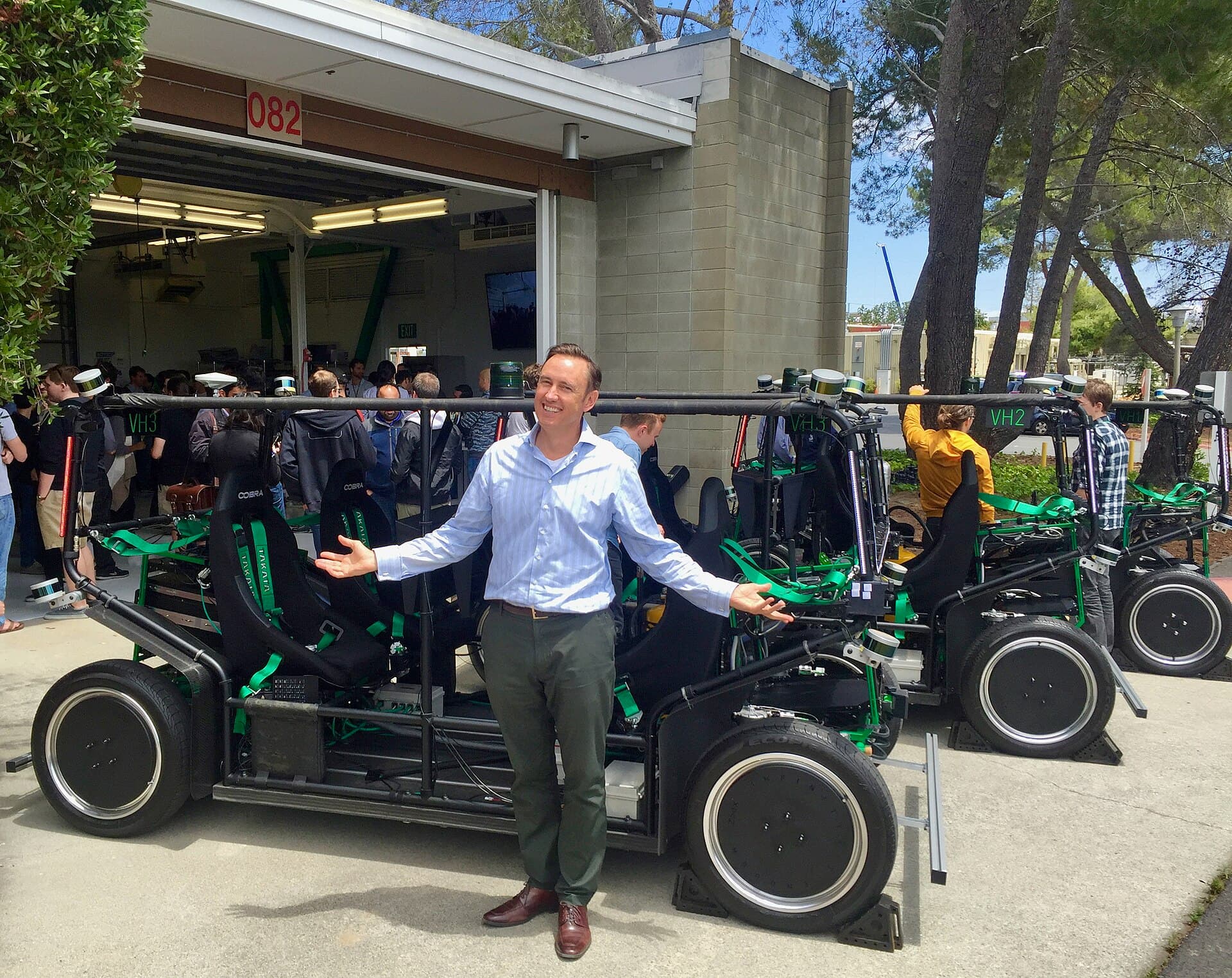
Zoox sits at the center of that test case. NHTSA’s Office of Defects Investigation opened investigation AQ23001 on March 3, 2023, and closed it on August 4, 2025; the resume identifies Zoox, Inc. as the manufacturer and says the population involved was 64 purpose-built vehicles. The scrutiny underscores how closely regulators are watching certification, technical data and design choices for autonomous fleets.
For robotaxi developers, the prize is a cabin built from the ground up for autonomy, with more interior space and lower long-run costs. For federal safety officials, the question is whether software, sensors and fallback systems can carry the burden once the human controls are gone, and whether the next exemption could eventually make even the brake pedal optional.
This article was produced by Prism’s automated news system from verified source data, official records, and press releases, then run through automated quality and moderation checks before publishing. The system is built and supervised by the people who set the standards it runs under. Read our full AI policy.
Did this article answer your question?