ASEAN summit confronts Middle East fallout, energy insecurity and internal strains
ASEAN’s Cebu summit opened with a hard test: can 11 governments move beyond communiques as the Strait of Hormuz crisis pushes up fuel costs and rattles supply lines?
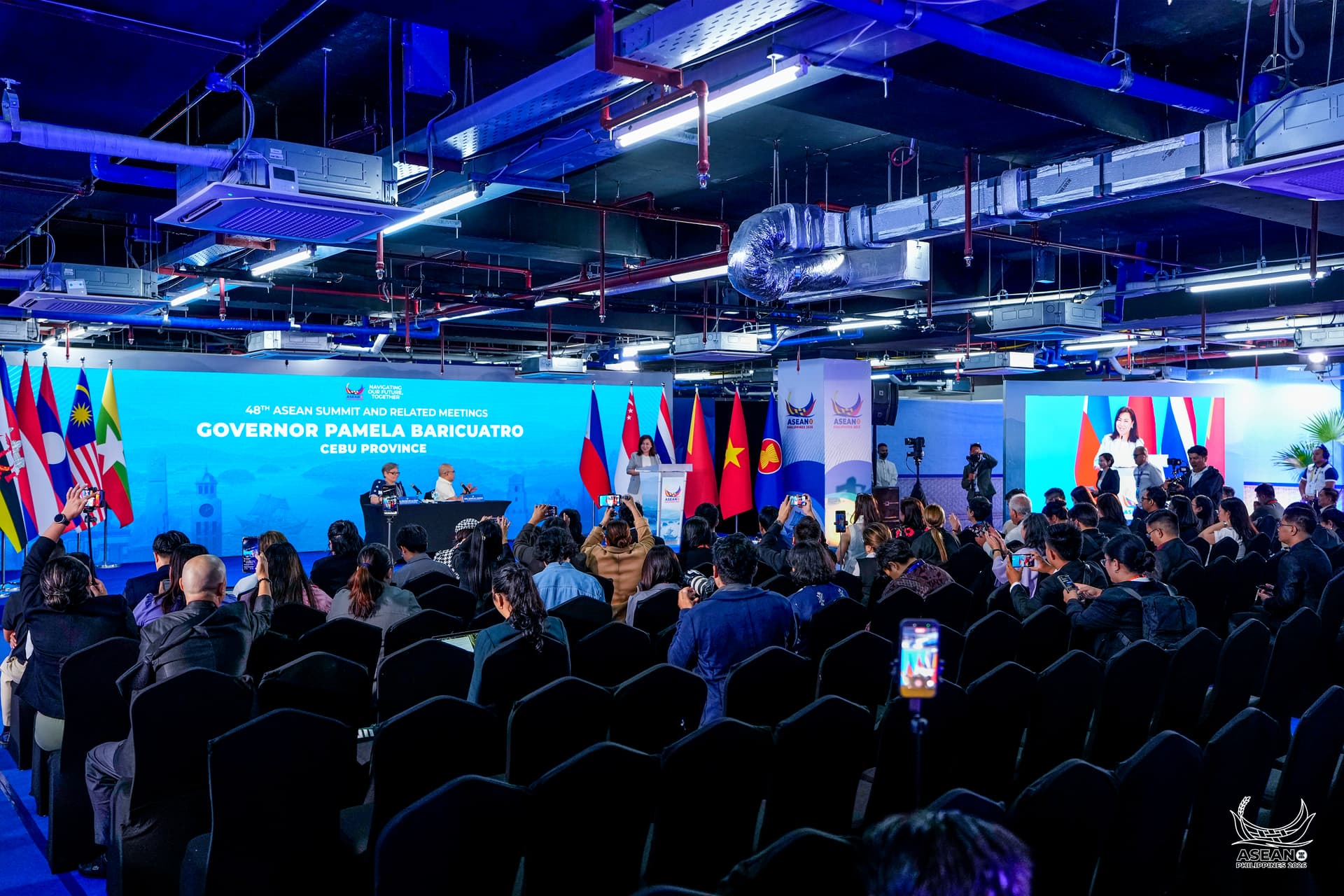
ASEAN leaders gathered in Cebu City with the Middle East crisis already setting the tone, forcing the bloc to confront whether it can do more than issue statements as energy prices rise and supply chains tighten. The 48th ASEAN Summit and Related Meetings, held May 7-8 under the Philippines’ 2026 chairmanship, put fuel insecurity, food security and crisis coordination at the center of the agenda for a bloc of 11 nations and nearly 700 million people.
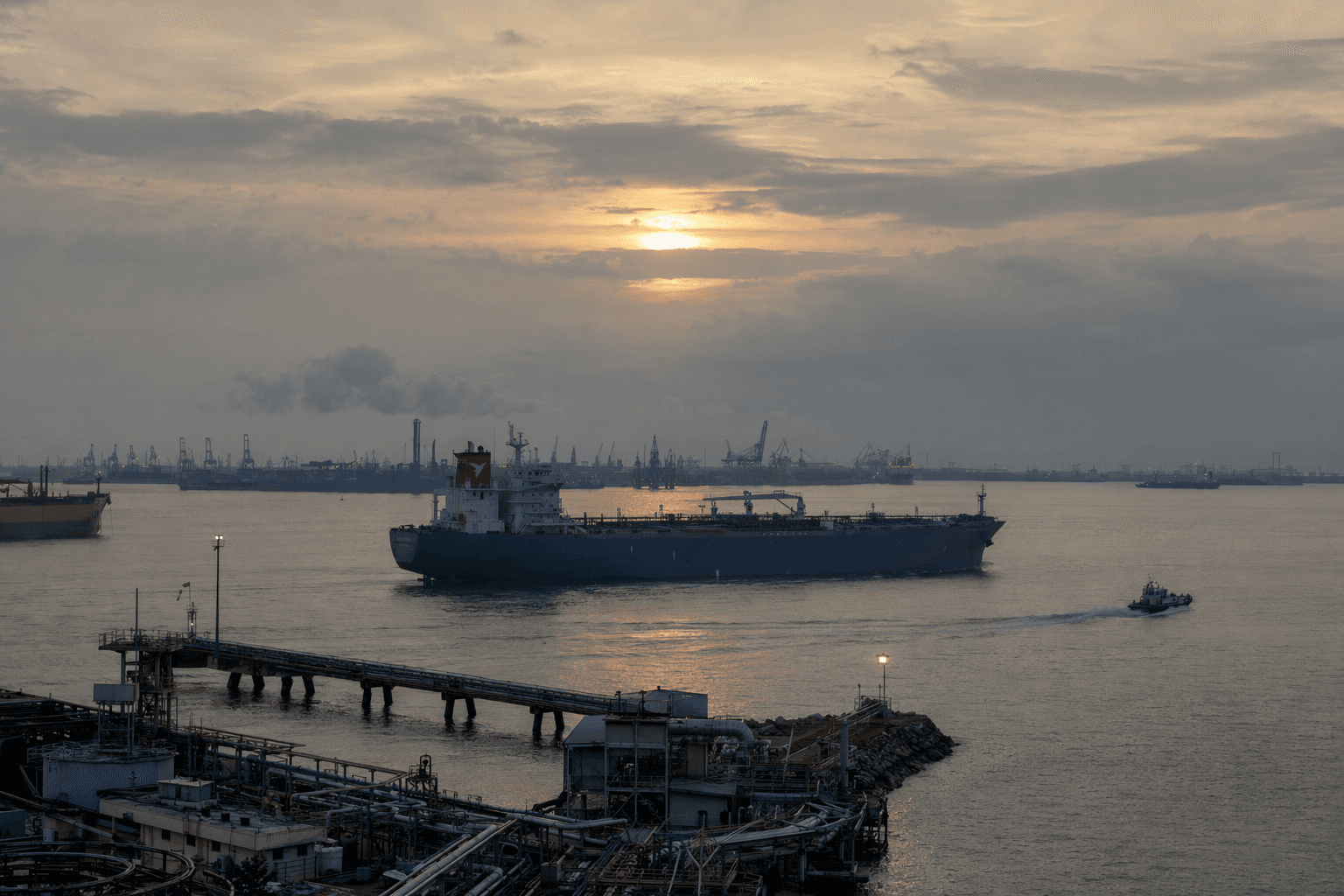
Many ASEAN members depend on imported fuel, leaving the region exposed to shocks from the Strait of Hormuz and the wider fallout from instability in the Middle East. Philippine Foreign Secretary Ma. Theresa Lazaro told the bloc to strengthen crisis coordination and institutional readiness, arguing that turmoil far beyond Southeast Asia can have immediate and profound effects inside ASEAN. The Philippines has pressed a regional oil-sharing framework, along with efforts to diversify supply sources, widen transport routes and streamline communications when crises hit.
The issue had already been building for weeks. ASEAN foreign ministers held a second special meeting on the Middle East on April 13, following an earlier meeting on March 13, and the bloc said it was exploring a crisis communication protocol for foreign ministers to support timely consultations, information-sharing and policy coordination during major emergencies. ASEAN energy ministers also issued a joint statement in April reaffirming support for uninterrupted energy supplies, particularly oil and gas.
The summit’s energy focus rests on older regional machinery as well. ASEAN pointed to the ASEAN Petroleum Security Agreement, signed in Manila in 1986, which created an emergency petroleum sharing scheme for shortages and oversupply. In January, energy officials from all 11 member states met in Bohol under the Philippines’ chairmanship, showing that energy security was already a priority before the latest escalation.
The immediate pressure is not limited to oil. ASEAN’s 2026 agenda also includes food security, protection of ASEAN nationals abroad, disaster resilience and economic resilience in the face of global geopolitical shocks. A temporary ceasefire announced on April 8 between the United States and Iran has raised hopes that pressure on fuel markets could ease if it holds, but the bloc is still being asked to prepare for disruption rather than assume calm.
That challenge comes as internal strains remain unresolved. Ferdinand Marcos Jr. is hosting a rare three-way meeting with the prime ministers of Thailand and Cambodia, while Myanmar’s civil war and the Thai-Cambodian border dispute continue to test ASEAN’s cohesion. The summit now serves as a measure of whether the bloc can translate its habit of consensus into faster, more practical crisis management when external shocks and internal fractures arrive at once.
This article was produced by Prism’s automated news system from verified source data, official records, and press releases, then run through automated quality and moderation checks before publishing. The system is built and supervised by the people who set the standards it runs under. Read our full AI policy.
Did this article answer your question?