U.S. and ship owner clash as Strait of Hormuz attacks escalate
Eight crew members were wounded when a CMA CGM ship was hit in the Strait of Hormuz, deepening a dispute over U.S. escort coordination.
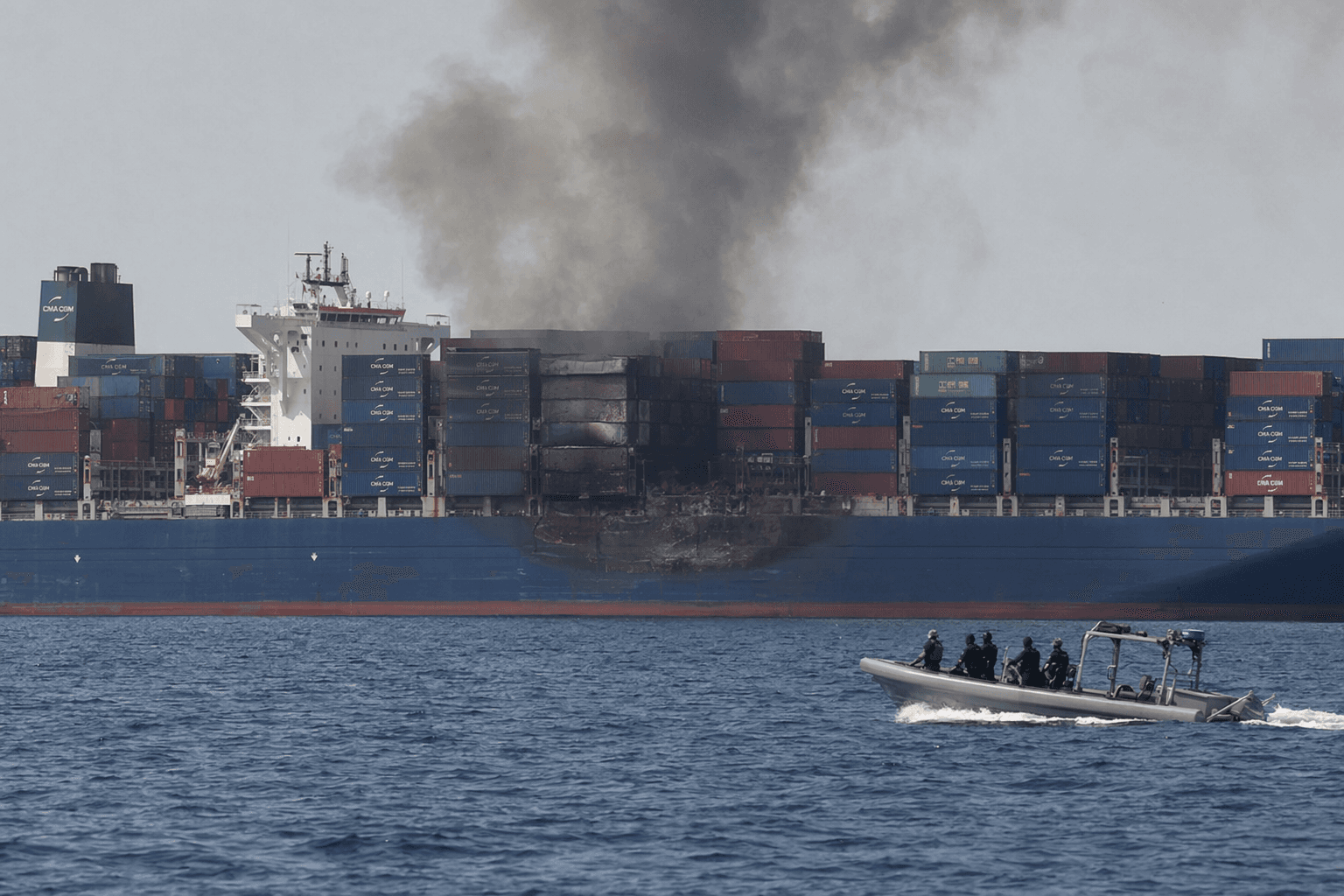
A CMA CGM container ship was hit as it transited the Strait of Hormuz, wounding eight crew members and damaging the vessel, in the latest sign that the waterway remains a live choke point for global trade. The attack landed amid a dispute between U.S. Central Command and the ship’s owner over whether the vessel had coordinated safe passage with the U.S. military.
French government spokesperson Maud Bregeon said the crew were from the Philippines and stressed that France was not specifically targeted. A maritime security source said the ship, the San Antonio, was struck by an Iranian projectile during a night transit near Oman. The vessel had not shown a tracking location since early Tuesday, and it was unclear whether it had been sailing under the now-paused U.S. escort operation.
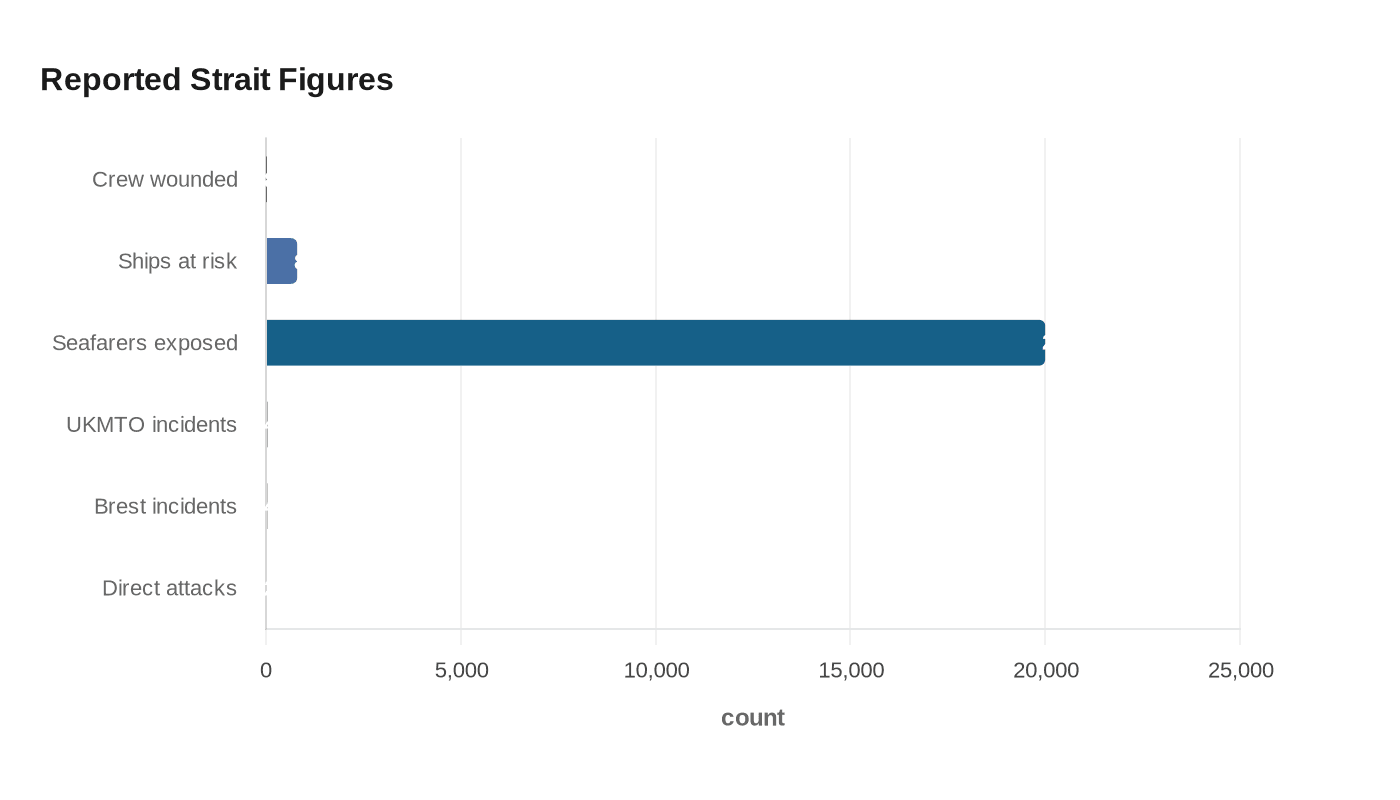
The stakes reach far beyond one ship. Before the conflict, about a fifth of global crude oil and liquefied natural gas moved through the Strait of Hormuz, and the war has already stranded hundreds of vessels while disrupting a significant share of global oil trade. UN maritime officials said around 800 ships engaged in international trade could be drawn into any evacuation framework for the Gulf, with roughly 20,000 seafarers directly exposed to danger.
Since late February, at least 41 incidents affecting vessels operating in and around the Arabian Gulf, the Strait of Hormuz and the Gulf of Oman have been reported to UK Maritime Trade Operations. The Maritime Information Cooperation and Awareness Centre in Brest said it had recorded around 40 security incidents, including 24 Iranian direct attacks on commercial vessels since February 28. The latest assault reinforced the sense among shipping officials that even companies and flags not directly tied to the conflict can be pulled into it.
The U.S. launched an escort operation this week and initially allowed two U.S.-flagged vessels to exit the Gulf, but President Donald Trump said the effort would be briefly paused while talks continued on a broader deal with Iran. France and the United Kingdom have also pledged a peaceful coalition to reopen the strait after the conflict ends, though that effort is not expected to operate until hostilities stop.
For ship operators, the lesson is grimly practical: without a stable protection regime, every transit raises insurance costs, complicates schedules and keeps energy markets on edge. Jakob Larsen, BIMCO’s chief safety and security officer, said that while a few ships had gotten out safely during “Project Freedom,” transits without coordination with Iran carried significant risk.
This article was produced by Prism’s automated news system from verified source data, official records, and press releases, then run through automated quality and moderation checks before publishing. The system is built and supervised by the people who set the standards it runs under. Read our full AI policy.
Did this article answer your question?