Tshisekedi Sparks Fury by Opening Door to Third Term Bid
Félix Tshisekedi said he could seek a third term if voters backed a referendum, triggering opposition warnings of a constitutional power grab in Congo.
Félix Tshisekedi has opened a volatile new front in Congolese politics, signaling he would be willing to seek a third term and putting the country’s two-term constitutional limit under direct strain. The president made the remarks in Kinshasa on May 7, 2026, while also saying that any change to the term limit would require a referendum, a formulation that immediately sharpened fears of a push to rewrite the rules of succession.
The backlash was swift. Delly Sesanga, the opposition politician who leads the Envol party, warned against institutional tension and the personalization of power, framing the president’s comments as part of a broader effort to test the limits of Congo’s constitutional order. For opponents, the danger is not only the remark itself but the precedent it could set in a system where presidents have long exercised outsized influence over political institutions.
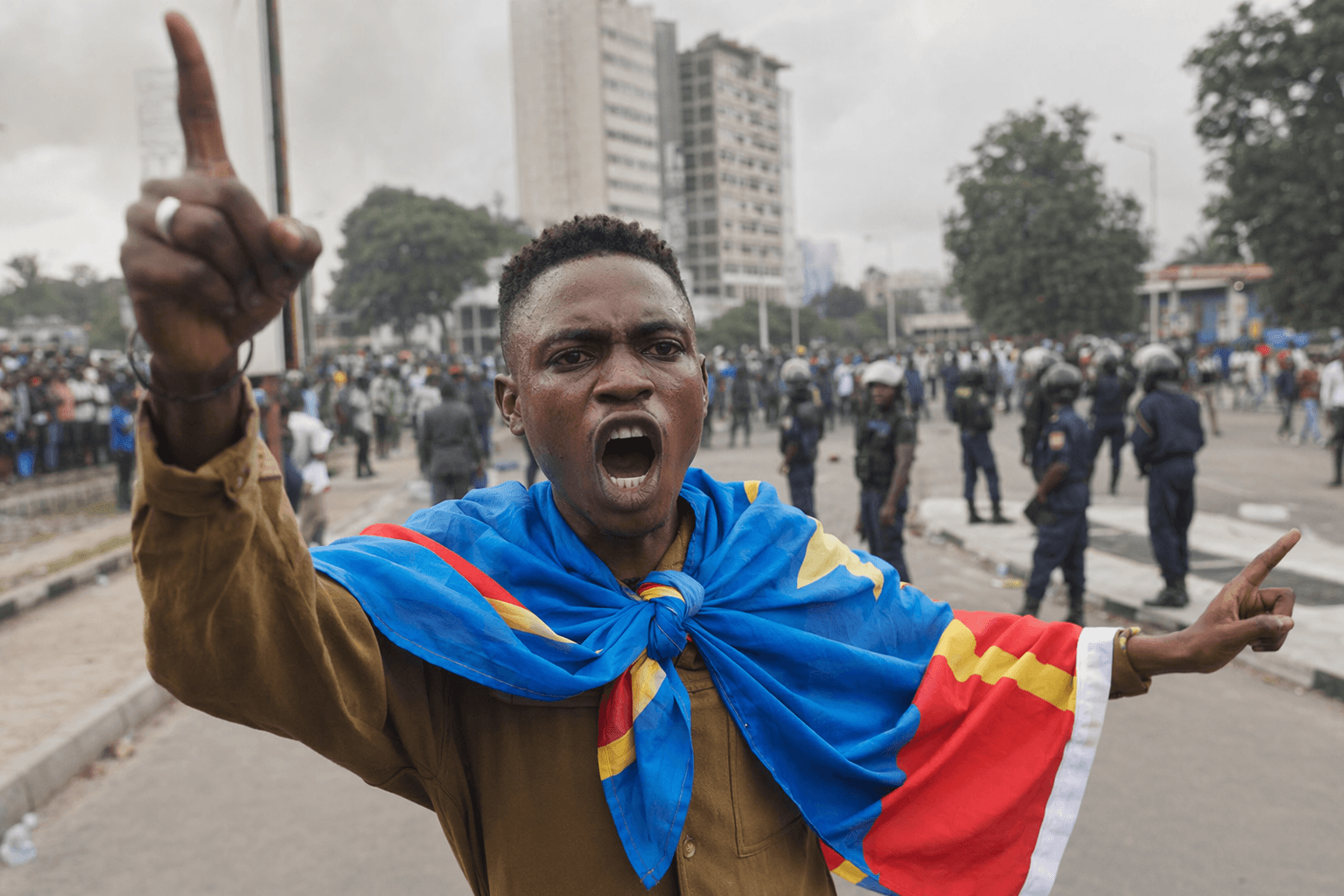
That anxiety carries historical weight. Congo has already lived through the consequences of delayed transition. Joseph Kabila remained in office past the end of his mandate in 2016 after elections were pushed back, setting off deadly protests and international condemnation. In December 2016, the United Nations warned that repression of dissent and heavy-handed responses to the protests risked provoking more violence and further conflict. The memory of that crisis still hangs over Kinshasa, where term-limit disputes are never just legal arguments, but tests of whether the state can enforce its own constitutional boundaries without sliding into confrontation.
The stakes are higher still because the next election is already on the calendar. The National Independent Electoral Commission, known as CENI, set presidential and legislative elections for December 16, 2028, in an April 2025 roadmap that also laid out campaign launch on November 15, 2028, preliminary results on January 17, 2029, final results on January 19, 2029, and a presidential swearing-in on January 20, 2029. Tshisekedi began his second term on January 20, 2024, after winning the December 20, 2023 election, so any move to extend his stay would collide directly with the existing timetable and the constitution’s two-term limit.
The debate is unfolding as eastern Congo remains a battlefield. Armed forces linked to the AFC/M23 rebellion have held key areas in the east, including territory around Bukavu, South Kivu, North Kivu and Uvira, while Rwanda denies backing the group. U.S. sanctions announced in March 2026 against Rwandan army officials over support for M23 added another layer of pressure. Tshisekedi has said the conflict could make it impossible to hold the next presidential vote on time, turning security conditions into a second channel for election slippage. In a country as mineral-rich and politically fractured as Congo, the question now is whether institutions can hold the line before constitutional erosion becomes the prelude to a deeper crisis.
This article was produced by Prism’s automated news system from verified source data, official records, and press releases, then run through automated quality and moderation checks before publishing. The system is built and supervised by the people who set the standards it runs under. Read our full AI policy.
Did this article answer your question?