Kremlin warns Kyiv of massive strike if Victory Day is disrupted
Moscow told diplomats in Kyiv to evacuate as it threatened a "massive" strike if Victory Day is disrupted, turning the holiday parade into a warning signal.

Russia warned foreign governments and international organizations in Kyiv to get their staff and citizens out of the Ukrainian capital, saying a retaliatory strike would be “inevitable” if Ukraine tried to disrupt Moscow’s Victory Day events. The warning, issued on May 6, raised the stakes around a holiday that is both Russia’s most important secular celebration and a centerpiece of Vladimir Putin’s wartime messaging.
The threat landed in the middle of an escalating ceasefire exchange. Putin declared a unilateral truce for May 8 and May 9, tying it to Victory Day commemorations in Moscow. Volodymyr Zelensky answered with his own ceasefire proposal that would begin earlier, on the night of May 5 to 6. Seen together, the dueling pauses were less a path to calm than a test of resolve, with each side trying to frame itself as the one seeking restraint while warning the other against any move that could be portrayed as sabotage.
The Kremlin’s language was explicit. Russia’s Ministry of Defence said it would launch a “massive” missile attack on Kyiv if the Victory Day parade was “disrupted.” That choice of wording matters: it is not only a military warning, but a political message aimed at deterring Ukraine, reassuring Russians, and signaling to foreign governments that Moscow expects the holiday to proceed unchallenged. In that sense, the parade has become part of the battlefield, a stage where the Kremlin seeks to project control even as the war closes in on the capital.
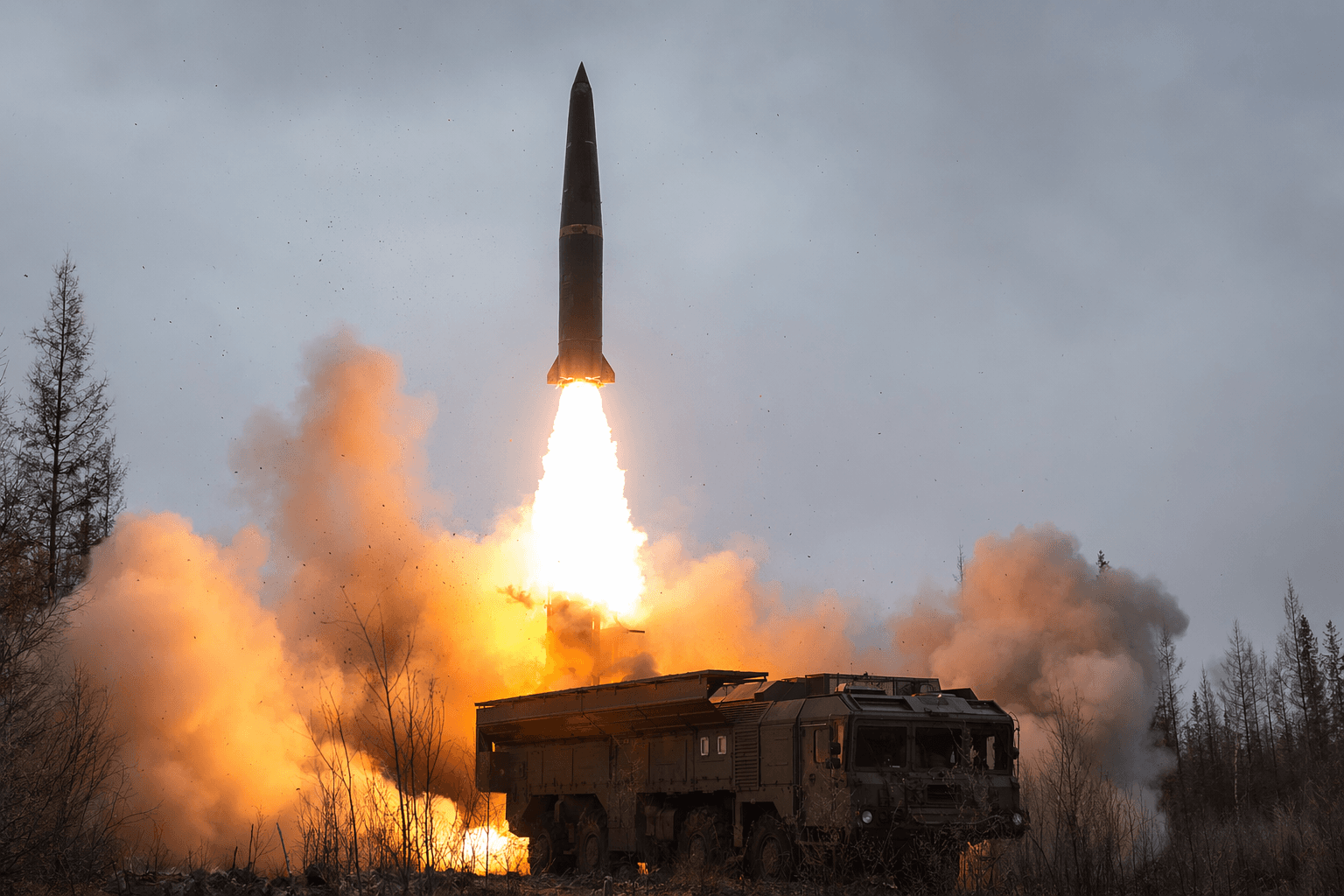
This year’s parade on Red Square was set to mark the 81st anniversary of the Soviet defeat of Nazi Germany in 1945, but for the first time in nearly two decades, Russia said it would go ahead without tanks, missiles or other military equipment. The pared-back display reflected deeper unease. Reports linked the decision to fears of Ukrainian drone attacks and broader security vulnerabilities in Moscow, where regular drone strikes have exposed how far the war has reached into Russian territory.
The holiday period also brought fresh strikes and counterstrikes on both sides of the border, underlining how quickly any misread move could feed escalation. In a war driven as much by signaling as by firepower, Victory Day is no longer just a ceremony in Moscow. It is a warning system, a propaganda contest, and a live test of whether either side believes the other’s restraint is real.
This article was produced by Prism’s automated news system from verified source data, official records, and press releases, then run through automated quality and moderation checks before publishing. The system is built and supervised by the people who set the standards it runs under. Read our full AI policy.
Did this article answer your question?