CIA assessment says Iran can endure blockade for months, still armed heavily
Iran can absorb the Hormuz blockade for months, even as oil flows sink and Washington tests how far coercion can go.

A confidential CIA assessment delivered to the White House cuts against the logic behind the blockade: Iran can endure the pressure for months and still has a substantial missile and drone arsenal. That raises the central question in Washington, D.C. and Tehran alike: if the squeeze does not break Iran quickly, the standoff may become a test of staying power rather than a show of force.
The blockade of Iranian ports began on April 13, 2026, and has widened into a confrontation over the Strait of Hormuz, the 21-mile-wide chokepoint that normally carries about one-fifth of the world’s oil and a major share of global LNG trade. U.S. officials say the restriction covers ships going to and from Iran. Iran’s army and military leaders have called the move piracy and an illegal restriction on navigation in international waters, while the White House has treated it as leverage in the push for a nuclear deal.
The intelligence picture suggests Iran’s military has been damaged, but not disarmed. Reuters-linked reporting said U.S. intelligence believed about one-third of Iran’s missile arsenal had been destroyed, another third remained uncertain, and about half of its ballistic missile launchers were still intact. Other reporting said Iranian officials told Pakistani mediators that Iran still had 15,000 missiles and 45,000 drones. That stockpile matters because Iranian forces have continued using cruise missiles, drones and small boats against U.S.-aligned shipping and regional targets near Hormuz.
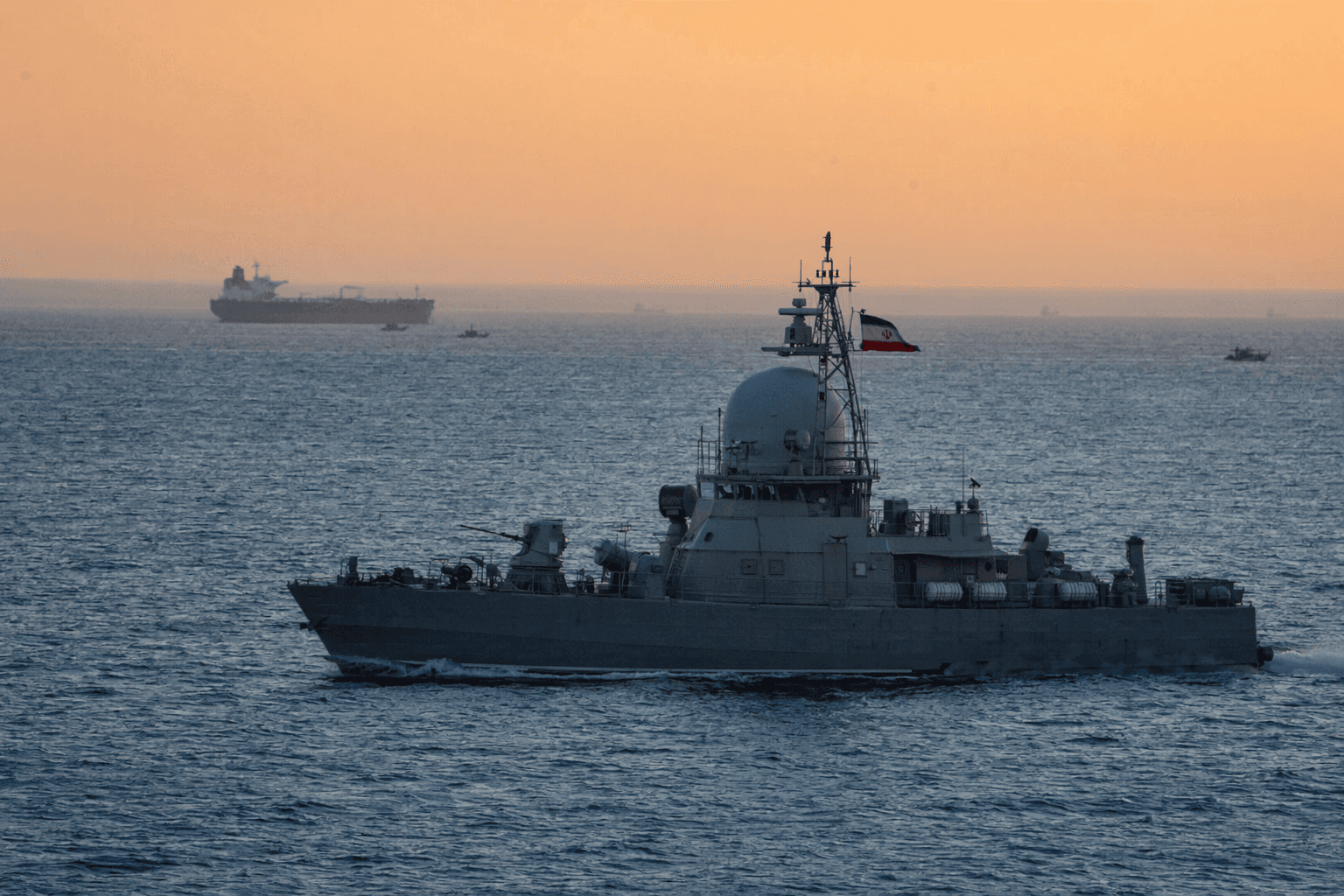
Economic pressure has been immediate. Kpler-linked analysis showed Iranian oil exports falling from about 1.85 million barrels per day in March to roughly 567,000 barrels per day after the blockade tightened. Separate reporting put Iran’s remaining crude storage capacity at about 22 to 30 days if the blockade persists, and analysts have warned that Tehran is running out of places to park unsold oil. Some tankers have switched off trackers, and satellite data suggests crude is building in floating storage, showing that a few cargoes are still finding ways through or around the squeeze.
The broader risk is that the blockade outlasts the assumptions behind it. CNBC reported that more than 90% of Iran’s $109.7 billion in annual seaborne trade transits Hormuz, and Iran has no significant alternative route. That is why the market response has been so sharp, with trade through the strait sharply reduced and oil prices surging above $100 a barrel in some reports. The pattern echoes the 1980s Tanker War, when hundreds of ships were attacked and more than 100 merchant sailors were killed. Then, as now, foreign navies stepped in to protect shipping. The difference is that drones, missiles and modern surveillance make each passing day more volatile, and harder for either side to control.
This article was produced by Prism’s automated news system from verified source data, official records, and press releases, then run through automated quality and moderation checks before publishing. The system is built and supervised by the people who set the standards it runs under. Read our full AI policy.
Did this article answer your question?