ASG Green Bag Guide: Donor Steps, Bi‑Monthly Pickup, Pantry Deliveries
Donors receive a reusable green bag, refill it on a set bi-monthly schedule, and volunteer drivers collect and rotate bags for delivery to partner food pantries, simplifying giving and volunteer logistics.
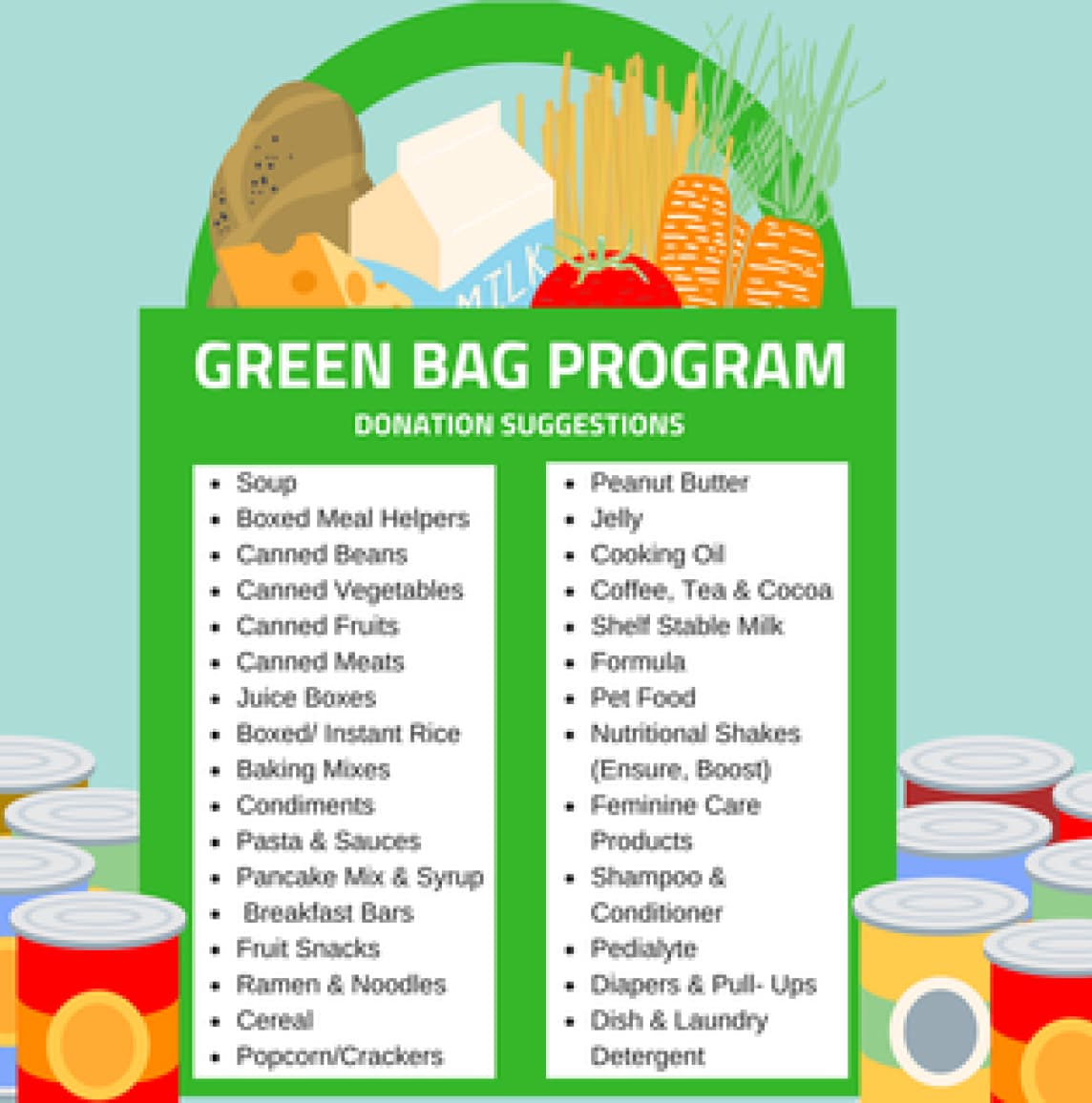
Donors in A Simple Gesture's Green Bag program receive a reusable green bag to fill with extra groceries on a regular bi-monthly schedule, creating an easy, recurring way to support local food pantries. Volunteer drivers pick up filled bags on scheduled collection days, rotate empty bags back to donors, and deliver donations to ASG partner pantries for immediate distribution.
The program centers on predictable touchpoints. Donors are expected to keep their supplied green bag in good condition, refill it with nonperishable or pantry-requested items between pick-ups, and place it at the agreed location by the scheduled collection time. Volunteer drivers follow mapped routes and a pickup calendar so donors know when to expect collection. Drivers swap a full bag for a clean empty bag rather than carrying donor receptacles, maintaining a steady rotation that keeps supply visible and reduces missed pickups.
Staff and volunteers manage the flow. Volunteer coordinators assign routes, confirm donor addresses and pickup days, and maintain the program’s “hot list” of items pantries need most. Drivers log collections and deliver consolidated donations directly to partner pantries; pantry partners inform ASG which staples are in highest demand so donors can prioritize their contributions. The model reduces coordination friction for donors, streamlines volunteer schedules, and gives pantries a more regular supply of preferred goods.
For volunteers and staff, the Green Bag cycle shapes daily workloads and onboarding. New volunteer drivers learn route sequencing, bag hygiene protocols, and how to confirm drop-offs with partner pantries. Staff use the pickup cadence to plan logistics, anticipate donation volume, and coordinate pantry handoffs. Regularity in pickups helps volunteers plan shifts and reduces last-minute rescheduling, while predictable deliveries let pantry partners schedule volunteer shifts for immediate sorting and distribution.

The program also affects workplace dynamics for companies and civic groups that host donors. Hosting workplaces that sign up employees as donors create a low-effort giving channel that does not require staff to manage food drives. Employees who serve as volunteer drivers gain a regular volunteer shift that fits into recurring schedules, and volunteer coordinators gain clearer metrics for participation and impact.
To participate or manage a route, donors and volunteers should consult ASG’s donor expectations, current pickup schedules, and the active hot list of pantry requests at asimplegesture.org. For staff and volunteer onboarding, use the pickup calendar to assign routes, brief drivers on bag rotation procedures, and communicate pantry-specific needs upstream.
What this means for workers: donors get a simple, repeatable way to give; volunteer drivers gain predictable shifts; and staff can plan logistics around a steady supply stream. Expect continued refinement of routes and hot lists as ASG matches donor supply to pantry demand.
Know something we missed? Have a correction or additional information?
Submit a Tip