Asia faces record heat, floods, drought and glacier loss in 2025
Marine heatwaves swept nearly all of Asia’s oceans in 2025, while all 23 monitored High-Mountain Asia glaciers lost mass. Floods, drought and record summer heat followed.

Asia’s climate warnings stacked up at once in 2025: record ocean heat, marine heatwaves that spread across almost the entire regional sea, dangerous floods, drought and continuing glacier loss. More than 10 million square kilometers of ocean were hit by marine heatwaves from July through September, and all 23 monitored glaciers in High-Mountain Asia lost mass, deepening long-term risks to water supplies, agriculture and hydropower.
The World Meteorological Organization said the warming trend across Asia from 1991 to 2025 was about twice the pace seen from 1961 to 1990. Depending on the dataset, Asia’s annual mean land-surface temperature in 2025 ranked between the second and fourth warmest on record. The agency said the report was built with national meteorological and hydrological services, international data centers and climate research institutions, underscoring how widely the warning signs were shared across the region.
The same report showed how climate stress spilled far beyond the oceans. Japan, China and South Korea all recorded their hottest summers on record. In Japan, the average temperature from June through August stood 2.36 degrees Celsius above normal. WMO Secretary-General Celeste Saulo said changes in surface temperature, glacier mass and sea level would have major repercussions for societies, economies and ecosystems, and that early warnings and hydrological services were more important than ever to save lives and livelihoods. Continued ocean warming and acidification, the agency said, are also raising risks for marine ecosystems and coastal communities.
Across South Asia and Southeast Asia, the damage was immediate and costly. Pakistan’s monsoon floods had killed 785 people and injured more than 1,000 by Aug. 22, according to UN OCHA, while later estimates from the country’s 2025-26 Economic Survey put deaths above 1,000 and losses at Rs822 billion. In Sri Lanka, Cyclone Ditwah struck on Nov. 28 and affected about 2.2 million people across all 25 districts, displacing more than 230,000 at the peak. Viet Nam endured 11 typhoons and tropical depressions between May and early October, with damage later estimated at least 85 trillion dong, or about US$4.2 billion. In Iran, President Masoud Pezeshkian warned in July that Tehran could face severe water shortages by September.
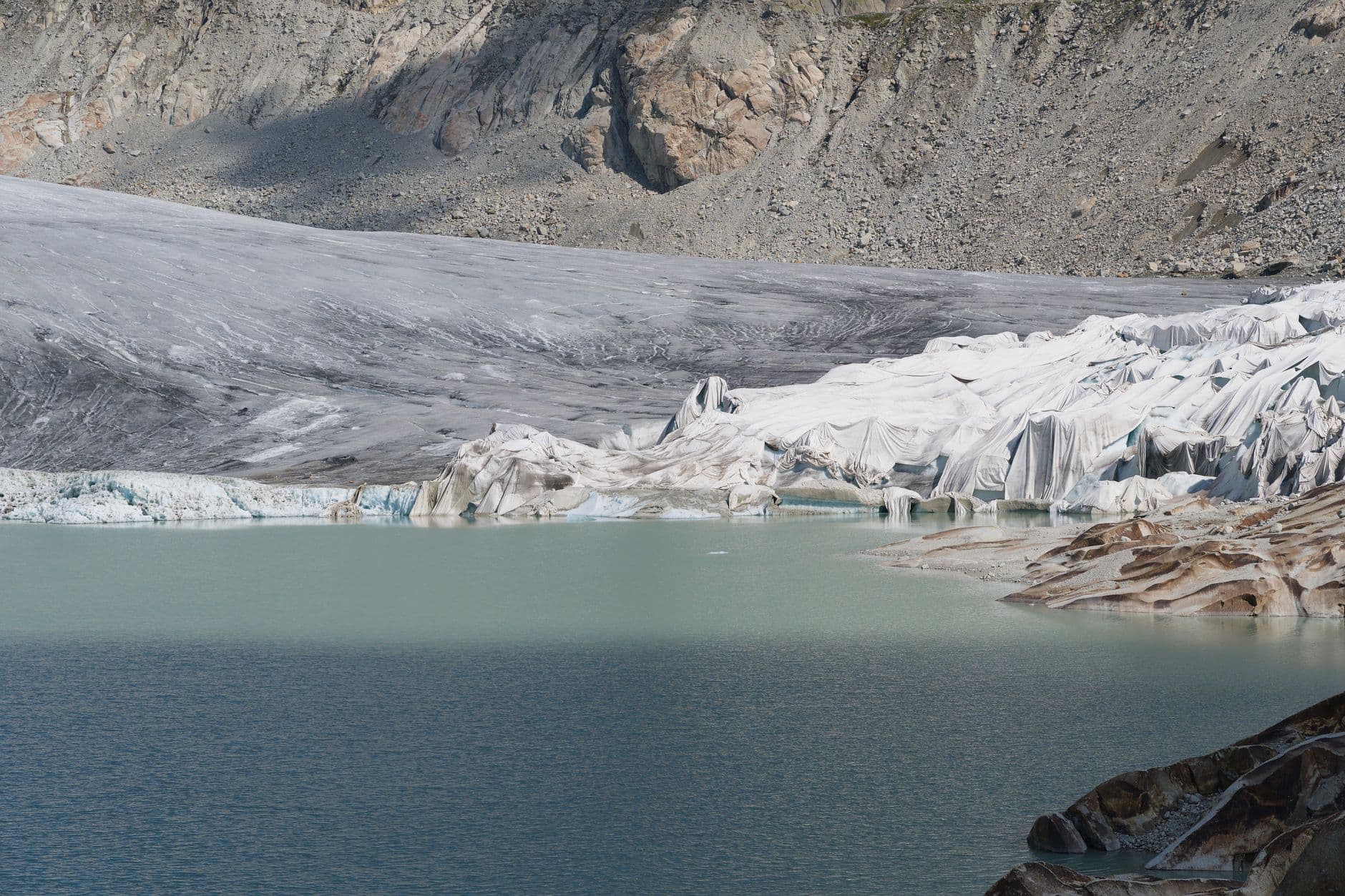
The pattern is now clear: Asia is not just experiencing weather extremes, it is absorbing a climate shock that carries global consequences for food systems, trade, public health, coastal infrastructure and freshwater security.
This article was produced by Prism’s automated news system from verified source data, official records, and press releases, then run through automated quality and moderation checks before publishing. The system is built and supervised by the people who set the standards it runs under. Read our full AI policy.
Know something we missed? Have a correction or additional information?
Submit a Tip