U.S.-Iran deal brings more ships through Strait of Hormuz
More tankers were back in Hormuz, including three Saudi supertankers carrying 6 million barrels, but shipowners still see weeks of risk before traffic feels normal.

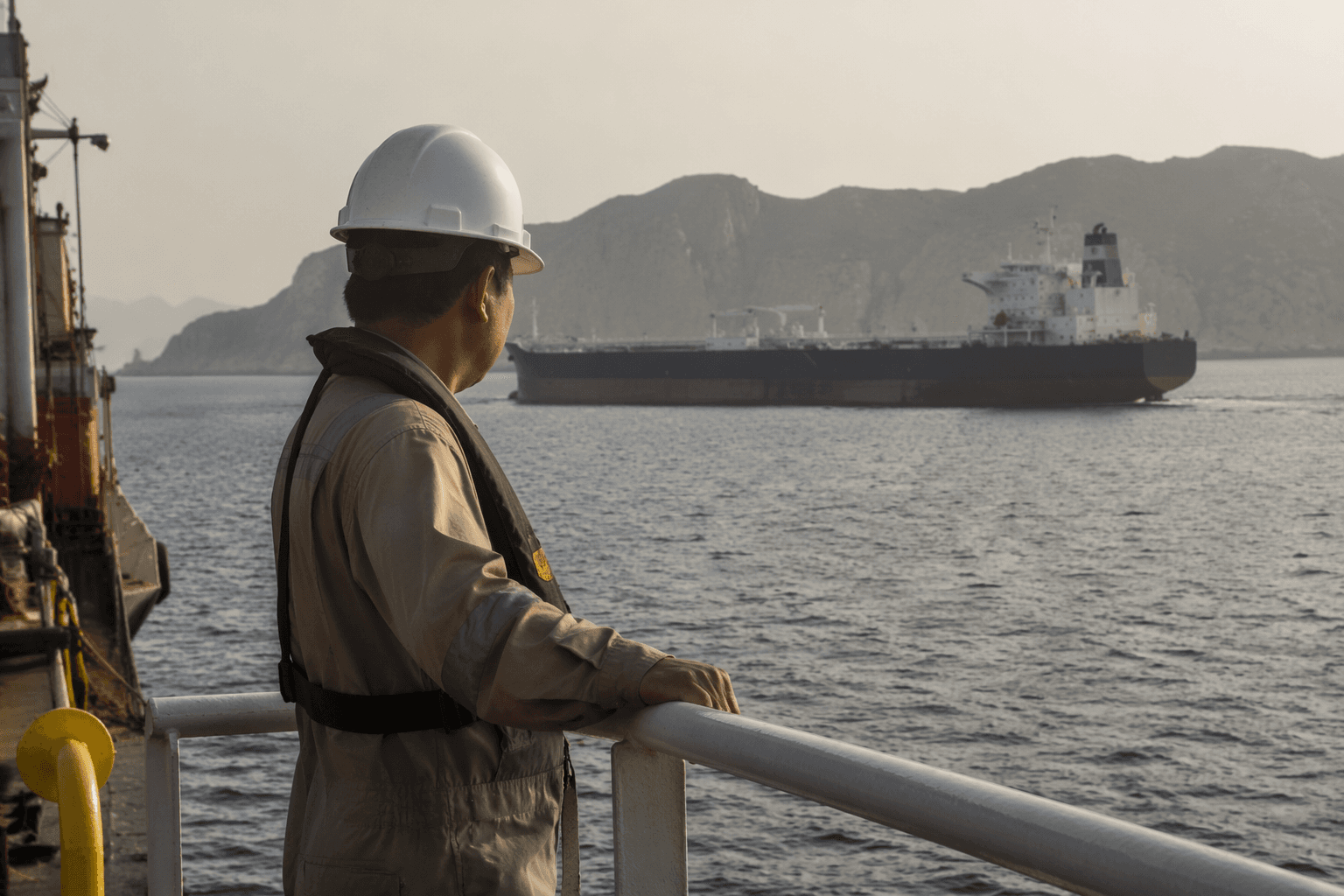
The Strait of Hormuz filled again with ships within hours of the U.S.-Iran agreement, but the bigger question is whether the lane regained real security or only shed some of the panic. At least 10 commercial vessels were transiting the chokepoint Thursday morning, and three Saudi-flagged supertankers carrying a combined 6 million barrels of crude moved through as ships began broadcasting their positions again after weeks of hiding transponders.
The increase in traffic matters because Hormuz is one of the world’s most important energy arteries. When ships stop moving there, oil markets react fast, insurance costs can jump, and traders start pricing in the risk of inflation far beyond the Gulf. The deal had already eased some immediate fears, but shippers and analysts said confidence could take weeks to rebuild, especially if crews need mine-sweeping checks or other security inspections before they are willing to resume normal schedules.
The reopening came after President Donald Trump and Iran signed an agreement that had been expected to be formally sealed in Switzerland on Friday, June 19, following an earlier electronic signing of the memorandum of understanding. Reuters said the first major tanker movement followed quickly, a sign that operators were willing to test the route once the political signal changed. Still, the return of traffic did not mean the corridor was back to business as usual. Many vessels had only recently stopped obscuring their voyages, a reminder of how fragile shipping confidence had become.
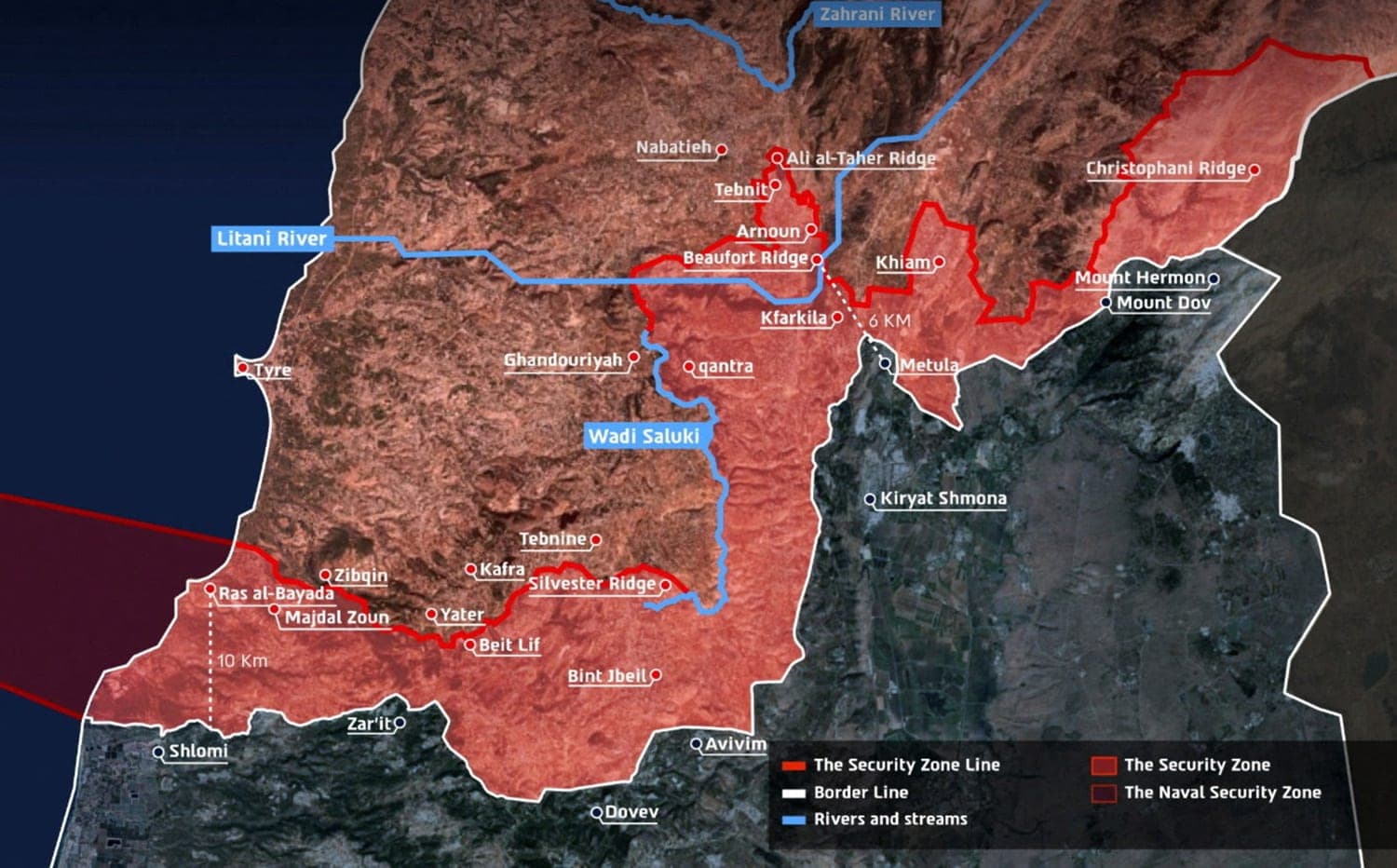
That fragility was reinforced by the fighting still raging in Lebanon. Israeli air strikes continued in southern Lebanon and Beirut’s southern suburbs on June 17 and June 18 despite the agreement, and the Lebanon conflict has displaced more than 1 million people. The United Nations has reported more than $365 million in damage to buildings across Beirut and Mount Lebanon since the latest escalation, a measure of how much destruction remains on the deal’s doorstep. Iran has said any remaining Israeli forces in southern Lebanon or any new Israeli strikes would violate the agreement, while Israel has said it will keep troops in Lebanon and Hezbollah has vowed to keep resisting.
For global shipping lines, the immediate headline is movement, not closure. But with tanker operators still watching for mines, security checks and any new escalation in Lebanon, the deal has so far reduced the panic more than it has restored full confidence in one of the world’s most economically sensitive waterways.
This article was produced by Prism’s automated news system from verified source data, official records, and press releases, then run through automated quality and moderation checks before publishing. The system is built and supervised by the people who set the standards it runs under. Read our full AI policy.
Know something we missed? Have a correction or additional information?
Submit a Tip