India rebukes Telegram over exam leaks, court reserves ban challenge
Telegram was accused of letting leaked NEET papers spread through channels like “PAPER LEAKED NEET,” and India’s block now faces a Delhi High Court test.
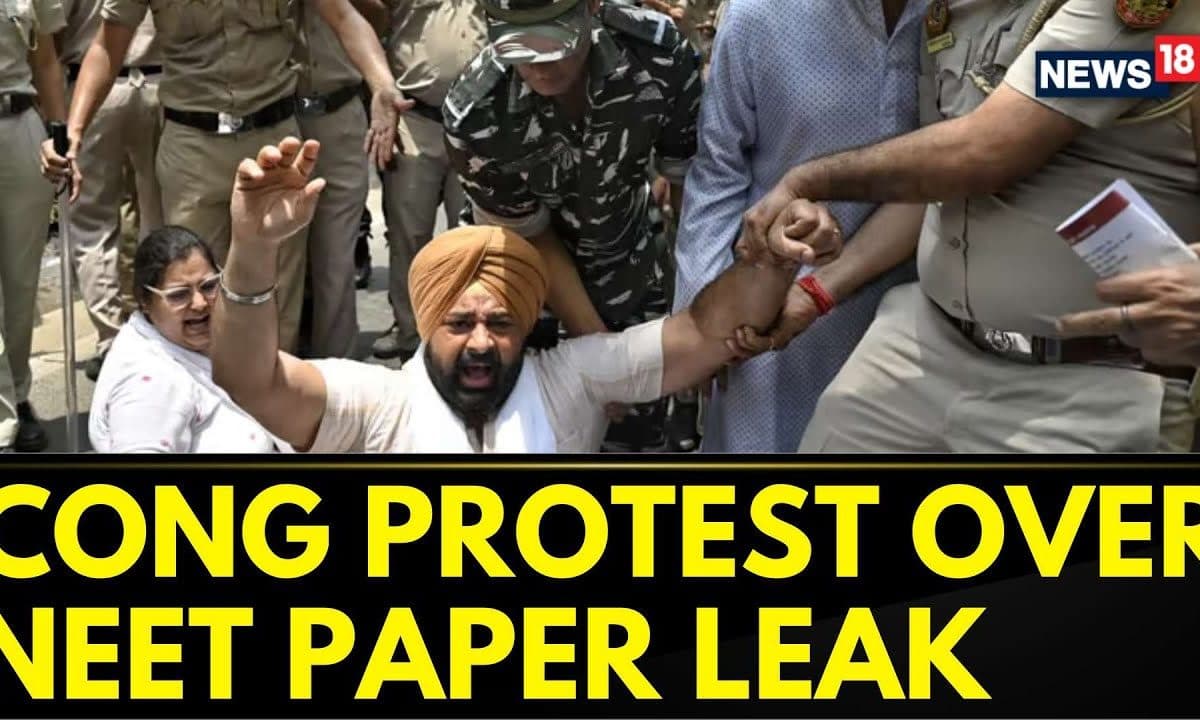
India’s fight with Telegram over leaked exam papers has become a larger test of how far the state can go in forcing platforms to police harmful content before damage spreads. The dispute over alleged NEET paper leaks pushed the messaging app into an unprecedented temporary block, with the Delhi High Court now holding back its verdict on Telegram’s challenge.
The court reserved its decision after seeking responses from the Ministry of Electronics and Information Technology, the Ministry of Home Affairs and the National Testing Agency. Reporting on the order said the temporary restriction on Telegram ran until June 22, 2026, while a separate direction required the company to disable its message-editing feature in India until June 30, 2026. The government said the editing tool could be used to alter earlier posts while preserving original timestamps, making it easier to fabricate evidence of leaked papers.
The crackdown centered on channels and groups accused of advertising access to exam papers and demanding money. Indian reports identified names such as “PAPER LEAKED NEET,” “Re-NEET 2026” and “Private Mafia” as part of the alleged scam ecosystem. Authorities also said Telegram’s anonymity, large-file sharing and editable messages made it attractive to cheating networks and illegal sellers.
For India’s testing system, the stakes were immediate. The original NEET-UG exam was held on May 3, 2026, then cancelled amid allegations of widespread leaks and irregularities. A re-examination was scheduled for June 21, 2026, putting pressure on the government to show it could contain fraud that threatens one of the country’s most competitive gateways into medical education.

Telegram’s challenge argued that the restriction affected more than 150 million users in India. Pavel Durov said India had “punished” more than 150 million ordinary users and claimed the leaks had simply moved to other apps. The National Testing Agency welcomed the government action, saying Telegram had been used by cheating networks to spread misinformation and fake paper-leak claims.
The dispute also exposed how quickly exam fraud can turn into a broader internet-regulation battle. NDTV reported that 127 Telegram channels were active during an earlier NEET leak episode, with activity linked to Maharashtra and Sikar in Rajasthan. Senior officials from the Ministry of Health, CRPF, CISF and the NTA attended a meeting on the issue, underscoring how deeply the scandal had spread across education, law enforcement and public administration.
What began as a leak investigation has hardened into a precedent-setting clash over platform liability and state power in India, where regulators are pressing messaging services to act first and justify themselves later.
This article was produced by Prism’s automated news system from verified source data, official records, and press releases, then run through automated quality and moderation checks before publishing. The system is built and supervised by the people who set the standards it runs under. Read our full AI policy.
Know something we missed? Have a correction or additional information?
Submit a Tip