Trump, Iran sign interim peace framework mediated by Pakistan
A 60-day clock now governs the U.S.-Iran accord, with fighting ordered to stop and shipping lanes to reopen while nuclear terms are pushed into later talks.
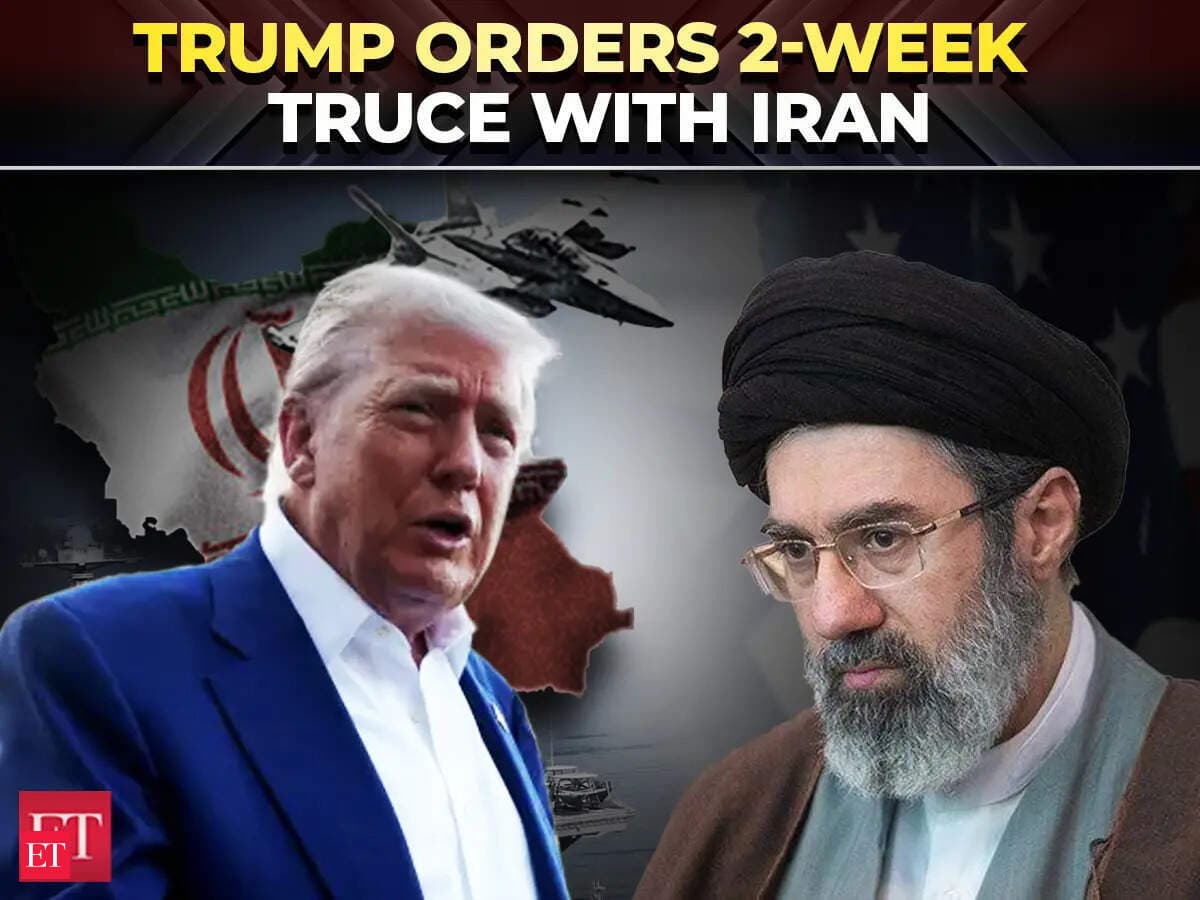
The new memorandum puts the most immediate obligations on the table first: halt the war, reopen shipping lanes and start a 60-day countdown toward a final settlement. The text says military operations on all fronts, including in Lebanon, end immediately and permanently, while the United States begins removing its naval blockade at once and fully ends it within 30 days.
That makes the document more than a symbolic pause, but not yet a finished peace treaty. It binds both sides to avoid initiating war or using force against each other and to respect sovereignty and internal affairs. It also requires Iran to ensure safe passage for commercial vessels in the Persian Gulf and the Sea of Oman, with traffic to resume immediately and technical obstacles and de-mining to be addressed within 30 days. Those are concrete steps, but the document does not spell out an enforcement mechanism if either side stalls.
The sharper limits appear in what the memorandum leaves unresolved. The nuclear program is not settled in the text and is pushed into later negotiations over the 60-day period. Sanctions relief is also left open, along with other draft ideas that had circulated, including the possible release of $25 billion in frozen Iranian assets. In other words, the framework stops the shooting and creates a timetable, but the hardest questions remain for the next round.
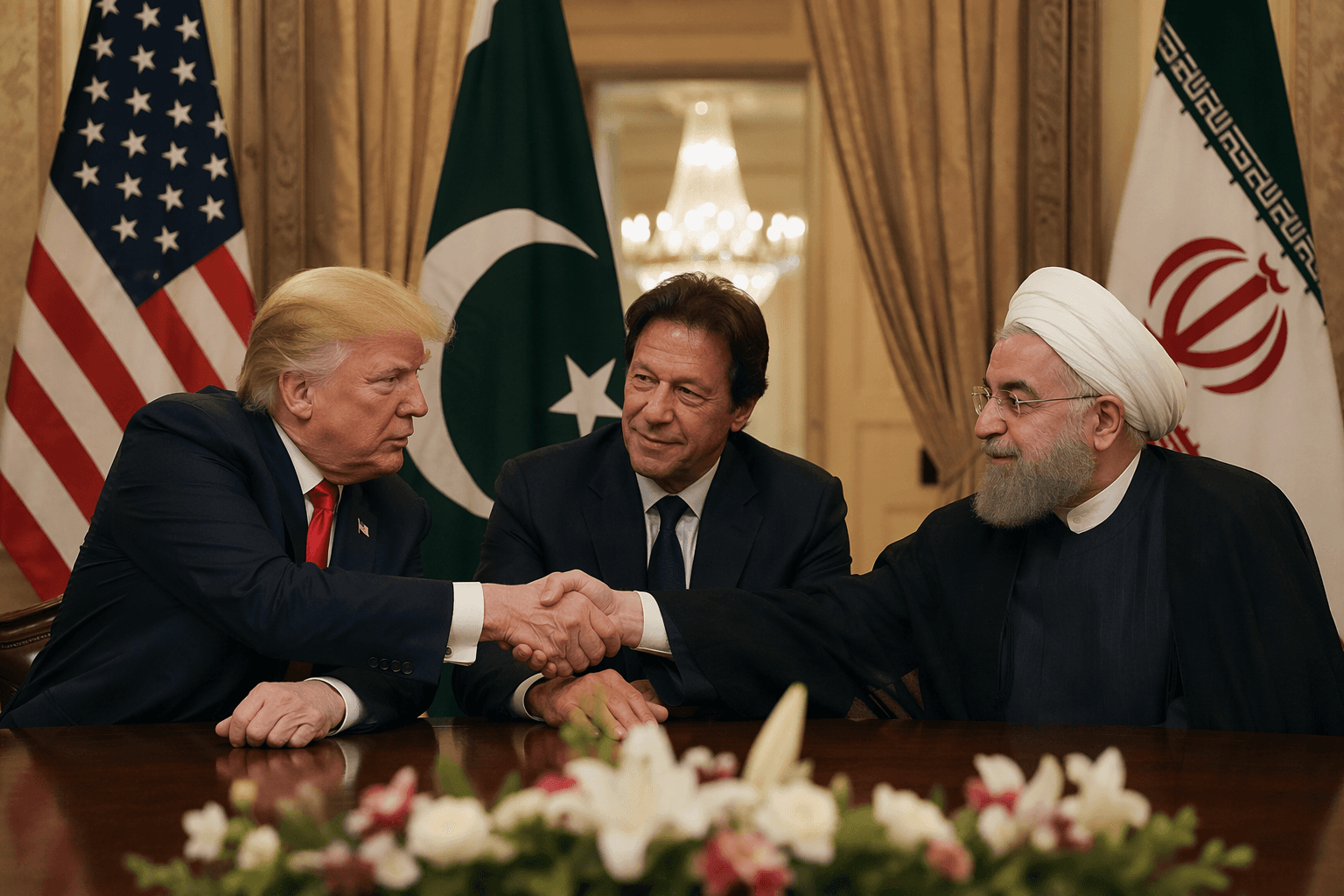
The agreement was signed by Donald Trump, Iranian President Masoud Pezeshkian and Pakistan’s prime minister, Shehbaz Sharif, who acted as mediator. Trump signed a physical copy at the Palace of Versailles in France during a dinner hosted by Emmanuel Macron. Sharif later said the deal took immediate effect, while JD Vance said the 60-day period begins Thursday. Switzerland’s federal foreign ministry said the first negotiations for a permanent deal were set to begin there on Friday.
The regional implications were immediate. The reopening of the Strait of Hormuz, one of the world’s most important oil and gas choke points, helped send Brent crude down about 4% in early Monday trading. Israel was not party to the talks and did not immediately react when the framework was announced, even as Lebanon remained a volatile part of the broader conflict.
For now, the memorandum reads as a race between diplomacy and deadline. If the coming 60 days produce binding terms on the nuclear program, sanctions and maritime security, it could become a real peace framework. If they do not, the document may end up remembered as the ceasefire that bought time, not the agreement that settled the war.
This article was produced by Prism’s automated news system from verified source data, official records, and press releases, then run through automated quality and moderation checks before publishing. The system is built and supervised by the people who set the standards it runs under. Read our full AI policy.
Know something we missed? Have a correction or additional information?
Submit a Tip

