Ukraine, Germany sign anti-ballistic pact, seek winter results
Ukraine and Germany moved from pledges to joint missile-interceptor production, with Zelenskiy pressing for results before winter and more allies to follow.

Ukraine and Germany deepened their wartime partnership on anti-ballistic defenses as Kyiv pushed for a faster shield against Russian missile attacks and a hard deadline for results before winter. The agreement signed at the Ukraine Defence Contact Group meeting in Ramstein covered joint work by Ukrainian and German companies on designing and producing modern missile interceptors to counter ballistic threats, a step that could matter far beyond diplomacy if it reaches the battlefield in volume.
Ukrainian Defence Minister Mykhailo Fedorov and German Defence Minister Boris Pistorius signed the document, while Volodymyr Zelenskiy used the meeting to press for wider Western involvement. He said he wanted other partners to join the effort and deliver concrete results by winter, and he said Ukraine urgently needed long-range artillery and unmanned vehicles. He also called for additional financial instruments to keep the Ukrainian army supplied over the long term.
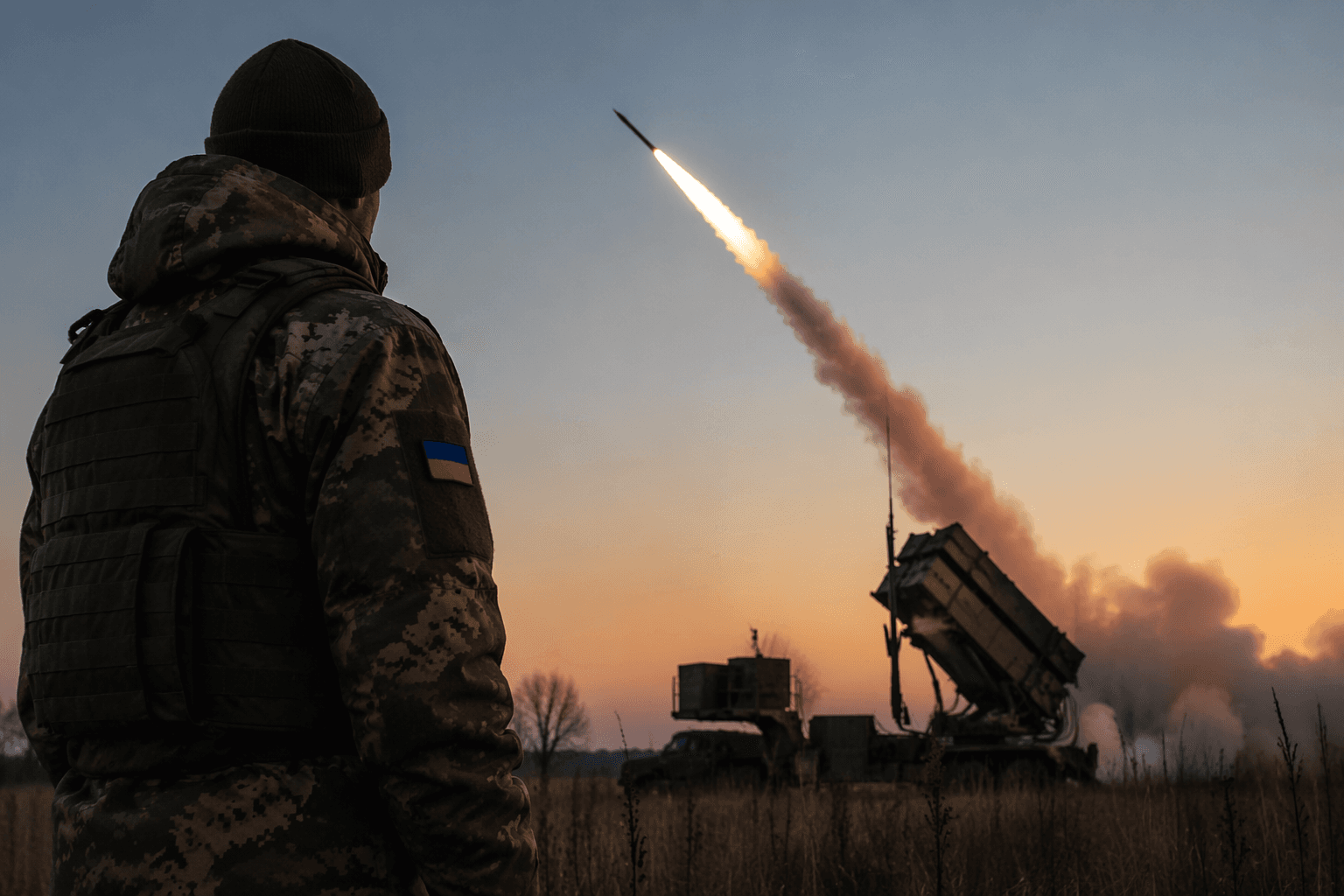
The anti-ballistic focus goes to the heart of Ukraine’s survival problem. Ukraine’s defence ministry has said Russia recently launched more than 30 ballistic missiles in a single night during one large-scale attack, a reminder that the country’s air defenses are being tested by mass salvos rather than isolated strikes. If interceptors are produced and fielded in meaningful numbers, they could reduce the number of missiles reaching cities, power infrastructure, rail links and military sites, which would improve both battlefield resilience and civilian protection during another winter campaign.

The agreement also reaches into battlefield logistics. Ukraine and Germany said the TerMIT unmanned ground vehicle will be jointly produced in Germany, with German financing backing the project. The vehicle can carry up to 300 kilograms of ammunition, gear and water, giving it a role not just as a piece of military technology but as a supply tool for frontline units that need to move under fire. Pistorius also said several German companies were interested in the project, signaling that the arrangement may pull in private industry as well as government support.
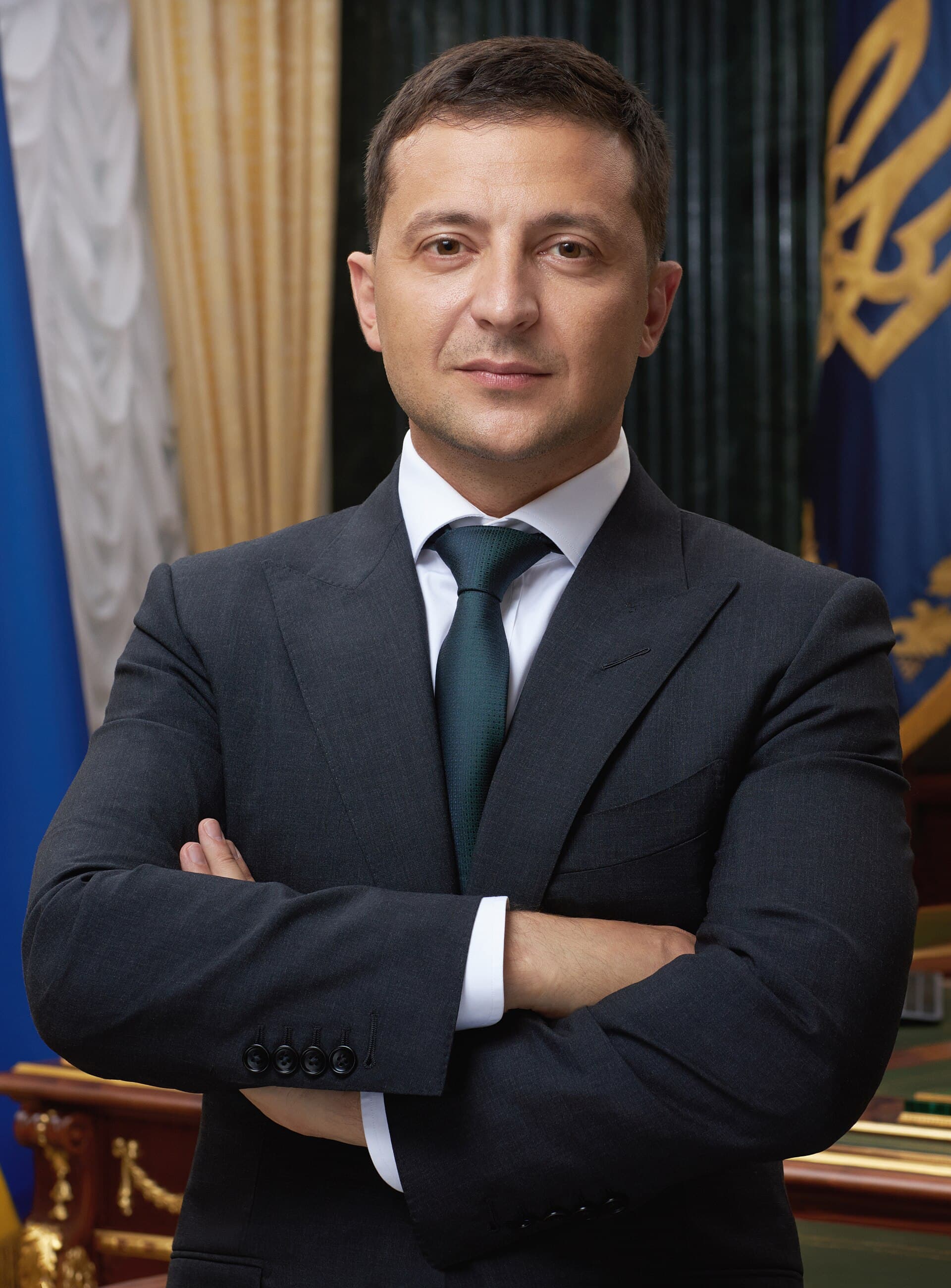
The broader shift is clear: Europe’s support for Ukraine is moving from one-off aid shipments toward co-development, industrial cooperation and sustained production capacity. An earlier video meeting in April showed Zelenskiy and Friedrich Merz discussing Europe’s need to produce anti-ballistic air defense in the volumes required, and the Ramstein agreement suggests that demand is now turning into contracts. If Germany can help build missile interceptors and robotic logistics systems at scale, other allies may face growing pressure to match that model before winter tests Ukraine again.
This article was produced by Prism’s automated news system from verified source data, official records, and press releases, then run through automated quality and moderation checks before publishing. The system is built and supervised by the people who set the standards it runs under. Read our full AI policy.
Know something we missed? Have a correction or additional information?
Submit a Tip

