U.S.-Iran peace deal leaves Gulf exposed to missiles and drones
Gulf states say a deal that leaves Iran’s missiles and drones untouched solves the paper war, not the real threat. That gap is testing confidence in Washington’s security umbrella.

The new U.S.-Iran memorandum may reopen the Strait of Hormuz, but it leaves the weapons Gulf states fear most largely outside the bargain. That omission is sharpening doubts in Riyadh, Abu Dhabi, Doha, Muscat, Kuwait City and Manama about whether Washington can still act as a reliable security guarantor when Iran’s missiles, drones and militia networks remain intact.
Those fears have built for months. Since February 2026, the U.S.-Israel-Iran conflict and the de facto closure of the Strait of Hormuz to most shipping have posed direct risks to the security and economic vitality of the Gulf Cooperation Council states, which include Saudi Arabia, the United Arab Emirates, Qatar, Oman, Kuwait and Bahrain. The Congressional Research Service says thousands of attacks on facilities hosting U.S. forces and on critical infrastructure across the GCC have exposed the region’s vulnerability to Iran and Iran-aligned armed groups.
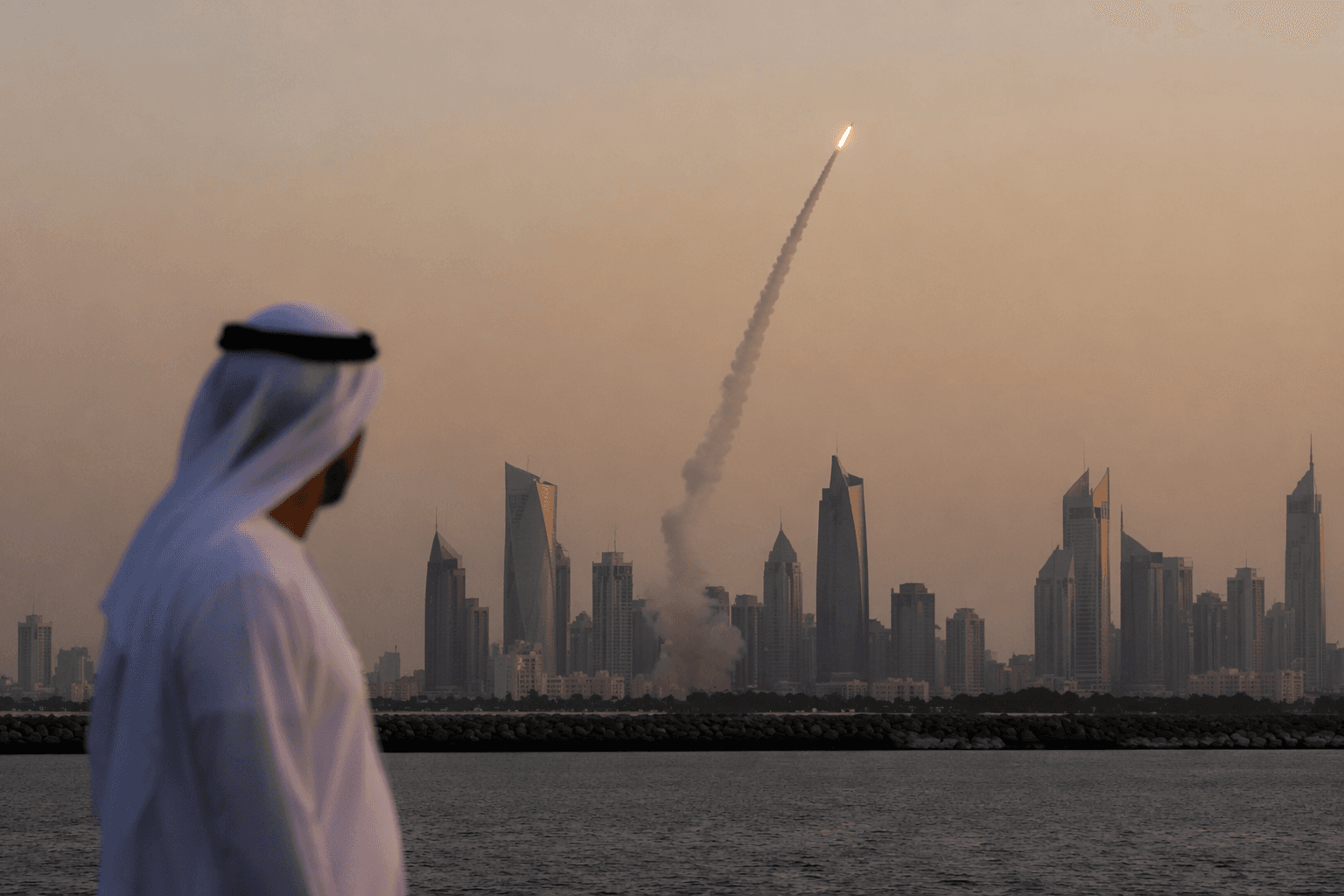
The deal being discussed is widely seen in the Gulf as a short-lived pause rather than a durable settlement. Analysts say the memorandum of understanding would buy negotiators another 60 days, not permanently end the war, and that it is being assembled so quickly that Iran is offering fewer concessions than it did in the 2015 nuclear agreement. Gulf leaders, who backed Donald Trump’s withdrawal from that deal because it did not address Iran’s missile program or its proxies, now see a familiar pattern repeating.
Their strongest complaint is not only what is absent from the text, but how the fighting has been handled. Officials from two Gulf countries have said their governments were angry over the lack of warning before Iranian drone and missile retaliation attacks. One Gulf official said Washington’s focus appeared to be on defending Israel and American troops while leaving Gulf countries to fend for themselves, with interceptor stocks “rapidly depleting.” White House spokeswoman Anna Kelly said Iran’s retaliatory ballistic missile attacks had fallen by 90% because of Operation Epic Fury, but that has not erased the sense in Gulf capitals that they were underprotected when the missiles were flying.
The wider economic stakes remain severe. The Strait of Hormuz is a critical chokepoint for Gulf oil and gas exports, and even as the region pursues diversification, its growth plans still depend on stability in the Persian Gulf. Any unresolved threat to shipping lanes, air defenses and energy infrastructure directly affects investment, trade and government revenue.
Public criticism has also surfaced from figures close to Gulf governments. Prince Turki al-Faisal has called the war “Netanyahu’s war,” a blunt sign that the region’s frustration extends beyond the battlefield to the political logic behind it. If missiles and drones stay off the negotiating table, the Gulf may conclude that peace is being promised on paper while the real source of danger is left in place.
This article was produced by Prism’s automated news system from verified source data, official records, and press releases, then run through automated quality and moderation checks before publishing. The system is built and supervised by the people who set the standards it runs under. Read our full AI policy.
Know something we missed? Have a correction or additional information?
Submit a Tip

