Iran wins leverage as U.S. deal reopens Strait of Hormuz
Washington demanded Iran's surrender, but the deal only forced a narrower retreat: reopen Hormuz, calm oil markets and leave the nuclear file for later.

Washington spent more than three months demanding Iran’s “unconditional surrender,” but the agreement that emerged from the war delivered something far narrower: a tentative framework to reopen the Strait of Hormuz and push the nuclear question into later talks. The result exposed a blunt strategic mismatch. The United States and Israel had launched the war on February 28, 2026, yet Iran still managed to turn oil risk, shipping disruption and market fear into leverage without winning militarily.
Before the war, the Strait of Hormuz carried about one-fifth of the world’s oil and gas supply, giving Tehran a pressure point with global reach. U.S. and Iranian officials said they had reached an agreement to end the fighting and restore flow through the chokepoint, and Reuters reported that oil would move again once the deal took hold. The Associated Press said reopening could still take weeks or months, even after a signing, underscoring how long the supply shock could linger.
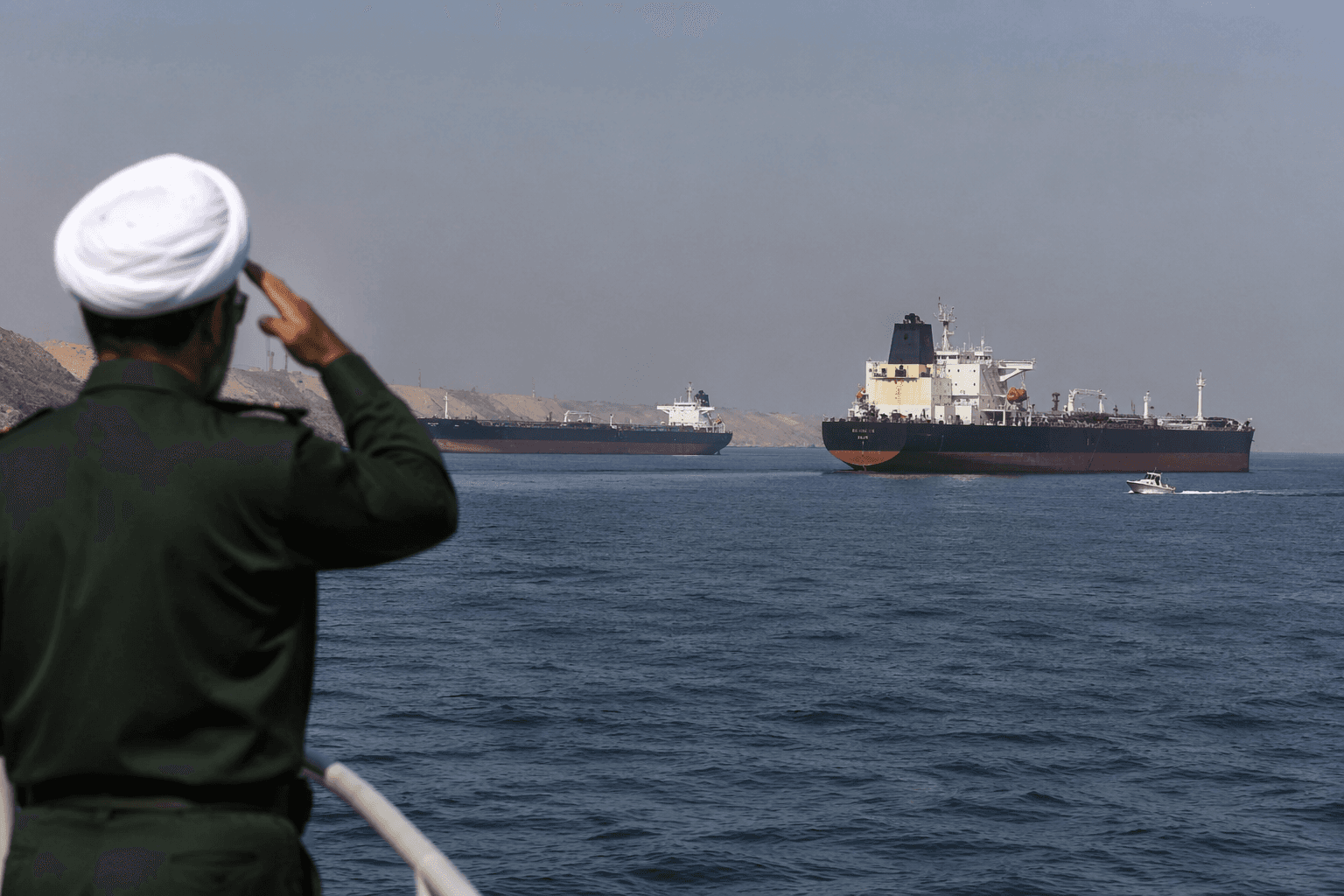
The conflict had already roiled energy and commodities markets for more than three months by the time the mid-June accord was announced. Oil prices fell sharply on the news, while U.S. stocks rallied and Asian equities hit record highs as investors bet that supply chains could stabilize. The reaction made plain how much damage both sides had been willing to inflict on the global economy, and how much the war had come to hinge on commercial chokepoints rather than battlefield gains.
The deal was not a final peace settlement. It was an initial framework that left Iran’s nuclear program for later negotiations, turning the next round of diplomacy into the more consequential one. Iran’s reactions were mixed, with state and political figures debating the terms, and hours after the signing Ayatollah Ali Khamenei endorsed direct talks with American officials. That shift signaled that Tehran still intended to bargain from a position of strength, not capitulation.
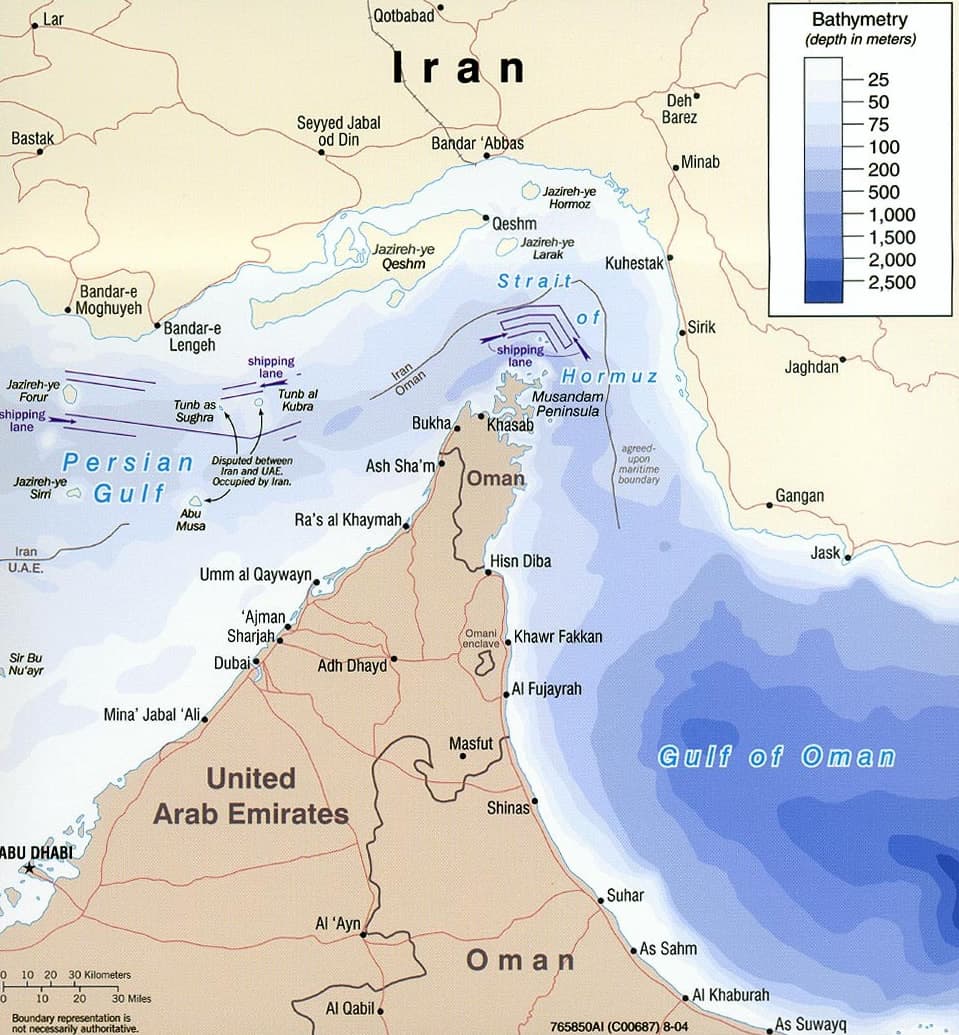
The agreement also drew public support from the U.K. government, the French government, the German government, the Italian government and the Japanese government, each of which had a stake in restoring shipping through a corridor that had been weaponized in the war. Iran emerged battered, but it proved a central lesson of the confrontation: even under attack from the world’s most powerful military, it could still impose economic costs large enough to force Washington back to the table.
This article was produced by Prism’s automated news system from verified source data, official records, and press releases, then run through automated quality and moderation checks before publishing. The system is built and supervised by the people who set the standards it runs under. Read our full AI policy.
Know something we missed? Have a correction or additional information?
Submit a Tip