Vance says U.S. is Israel’s only powerful ally, defends Iran deal
Vance told Israeli critics Trump was their only powerful ally, as the White House tied billions in U.S. aid to a deal meant to end the Iran war.
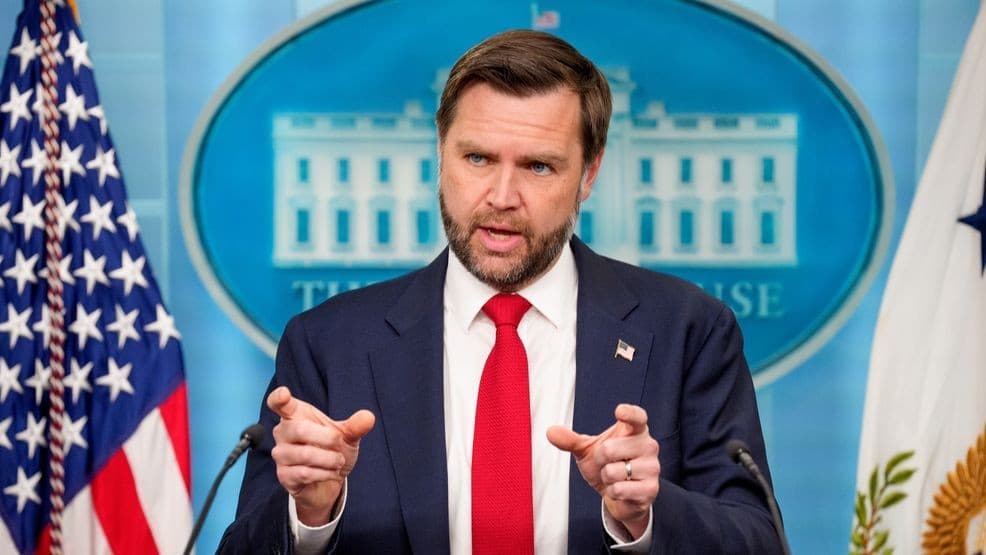
JD Vance used a White House briefing on Thursday to press Israel’s leaders in unusually blunt terms, saying Donald Trump was Israel’s only powerful ally and warning critics in Benjamin Netanyahu’s government not to attack him. The message was less a routine defense of diplomacy than a public reminder that Washington still holds the leverage over Israel’s war footing, from military aid to diplomatic cover.
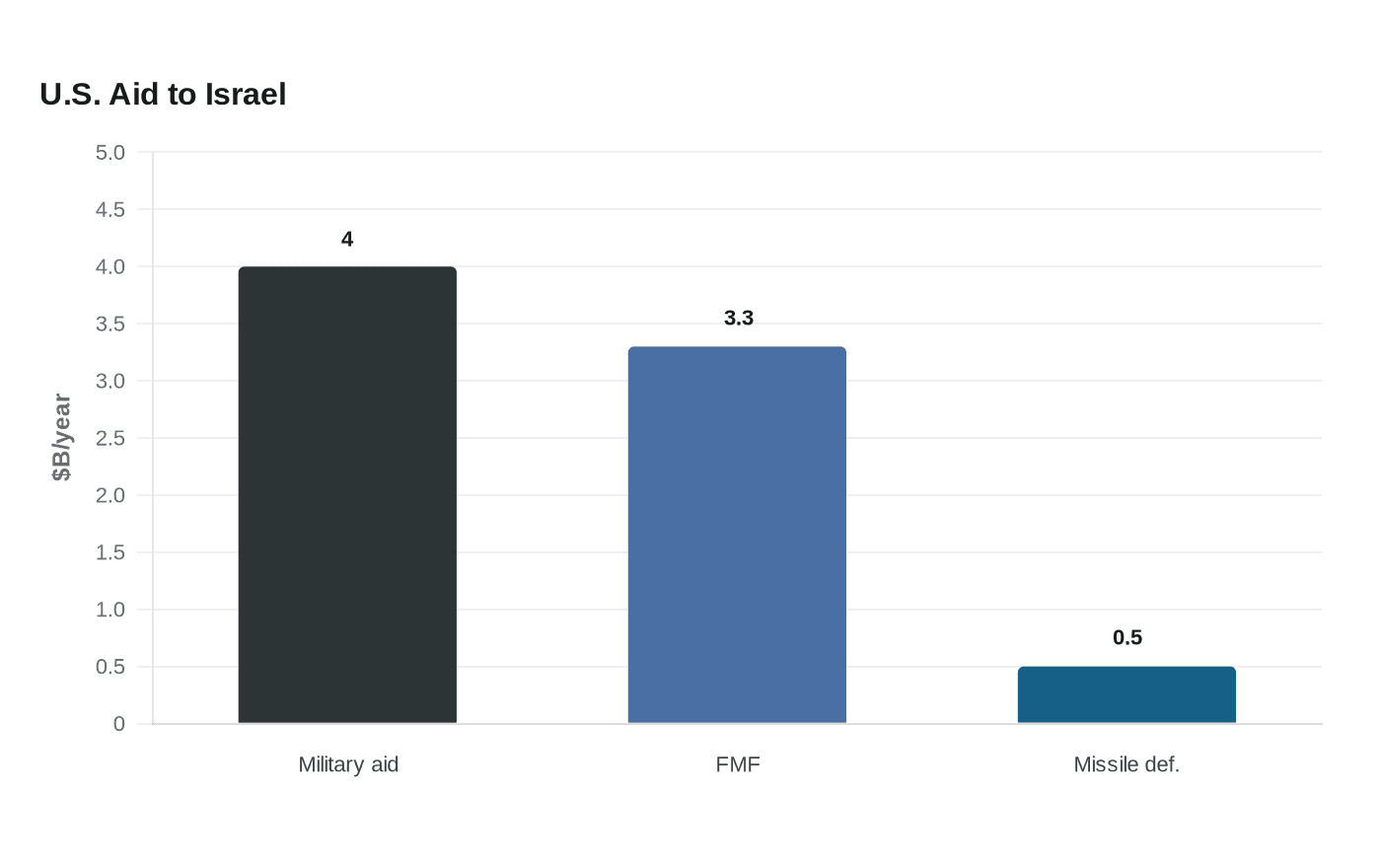
Vance said two-thirds of the defensive weapons protecting Israel had been built by American hands and paid for by American tax dollars. The United States provides Israel with roughly $4 billion in military assistance a year, and the State Department says the two countries are negotiating a new aid agreement on top of a formal 2019-2028 memorandum that gives Israel $3.3 billion a year in Foreign Military Financing and $500 million annually for missile defense cooperation. Washington has also given Israel more than $130 billion in bilateral security assistance since 1948, and the department says there were 751 active Foreign Military Sales cases worth $39.2 billion as of April 2025.
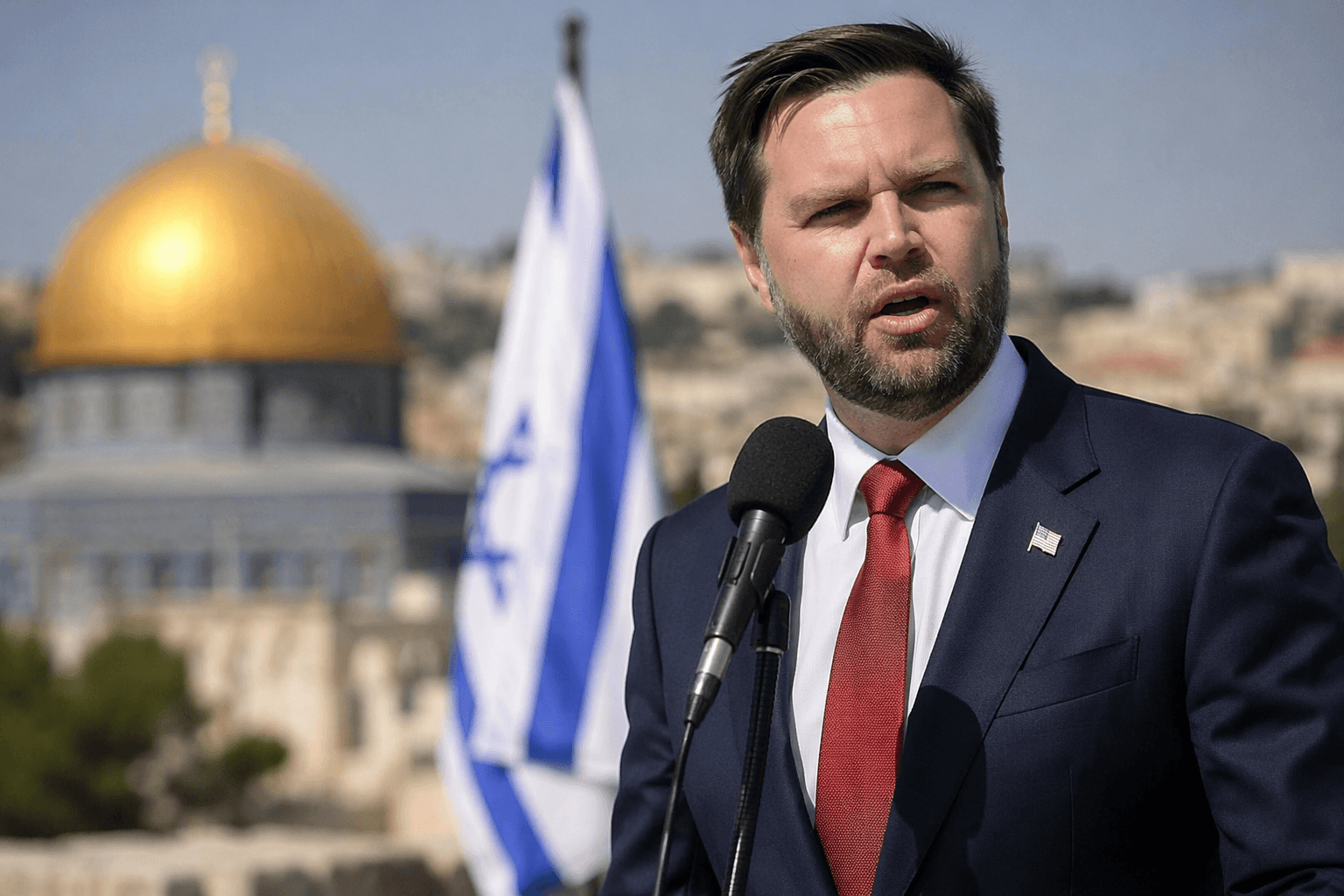
The clash came as Washington and Tehran moved ahead with an agreement reached this week to end the war, reopen the Strait of Hormuz and begin 60 days of talks on Iran’s nuclear program. The deal was set to be signed in Switzerland on Friday after the June 14 announcement, and reporting said it could also fold in a ceasefire in the Israel-Hezbollah conflict in Lebanon. Israeli critics argued the deal did not clearly dismantle Iran’s nuclear facilities or address its missile program.
Vance said he had not heard direct complaints from Netanyahu himself, but he singled out cabinet-level attacks on the agreement and on Trump. The timing matters because the United States and Israel launched the war against Iran on February 28, 2026, and the fighting later spread across the Middle East, leaving the White House to try to use military aid and diplomatic support as pressure on an ally that is publicly resisting the terms of its own security settlement. Netanyahu’s office and the Foreign Ministry did not immediately respond.
This article was produced by Prism’s automated news system from verified source data, official records, and press releases, then run through automated quality and moderation checks before publishing. The system is built and supervised by the people who set the standards it runs under. Read our full AI policy.
Know something we missed? Have a correction or additional information?
Submit a Tip