Netanyahu says Israel will keep troops in southern Lebanon buffer zone
Netanyahu said Israel will keep troops in southern Lebanon, challenging a U.S.-brokered ceasefire that tied calm to Hezbollah's pullback and Lebanon's sovereignty.
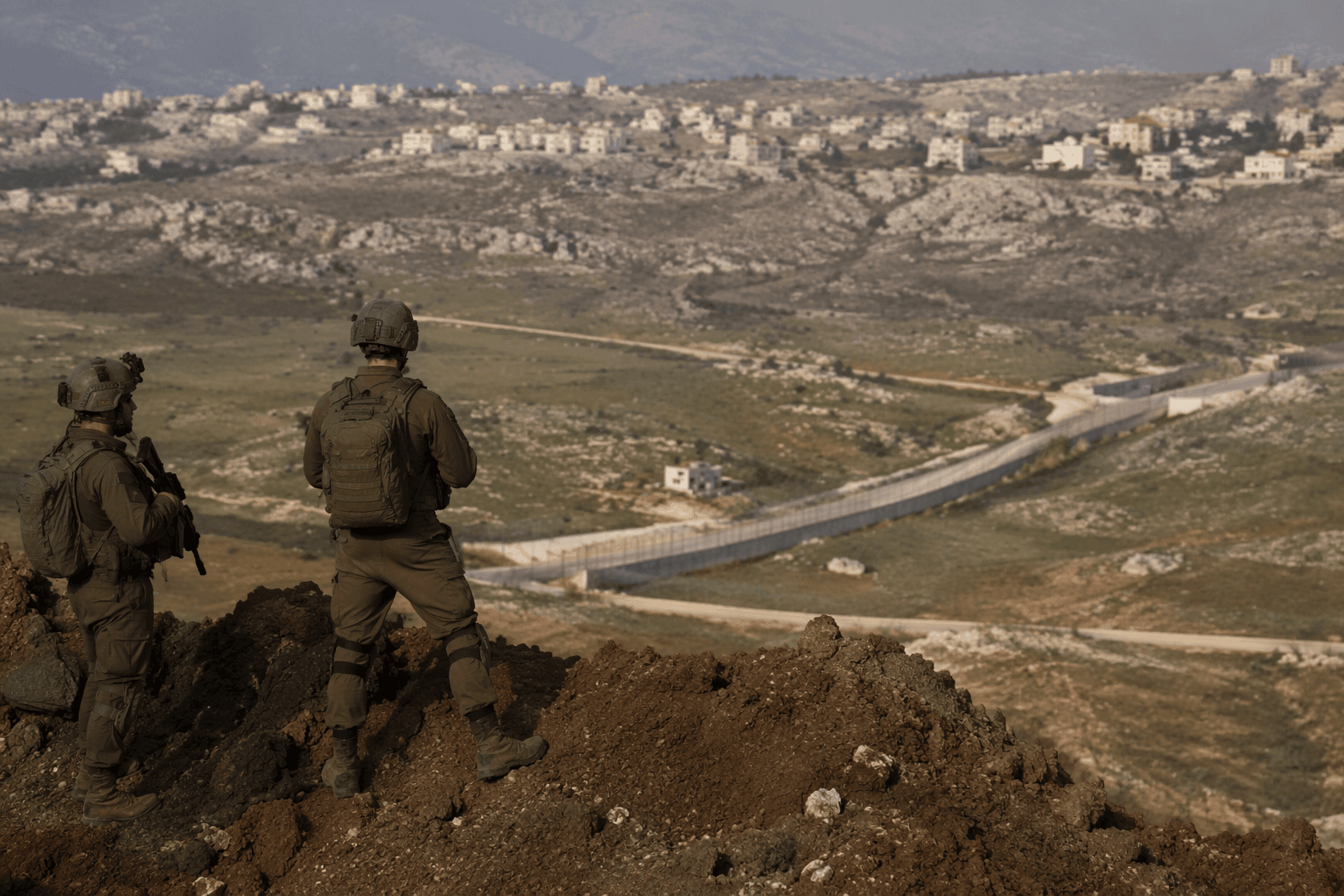
Benjamin Netanyahu said Israel would keep its troops in a security zone in southern Lebanon, hardening a direct challenge to the ceasefire framework Washington helped broker with Beirut and Jerusalem. The refusal puts the credibility of the agreement on the line at the very moment it is supposed to show whether paper commitments can actually change conditions on the ground.
The dispute centers on a June 2 to 3, 2026 trilateral meeting between the United States, Israel and Lebanon, where the parties said the ceasefire depended on a complete halt to Hizbollah fire and the evacuation of all Hizbollah operatives from the South Litani Sector. The joint statement also called for pilot zones in which the Lebanese Armed Forces would take exclusive control, excluding non-state actors, and said the future relationship between Israel and Lebanon should be decided by the two sovereign governments.
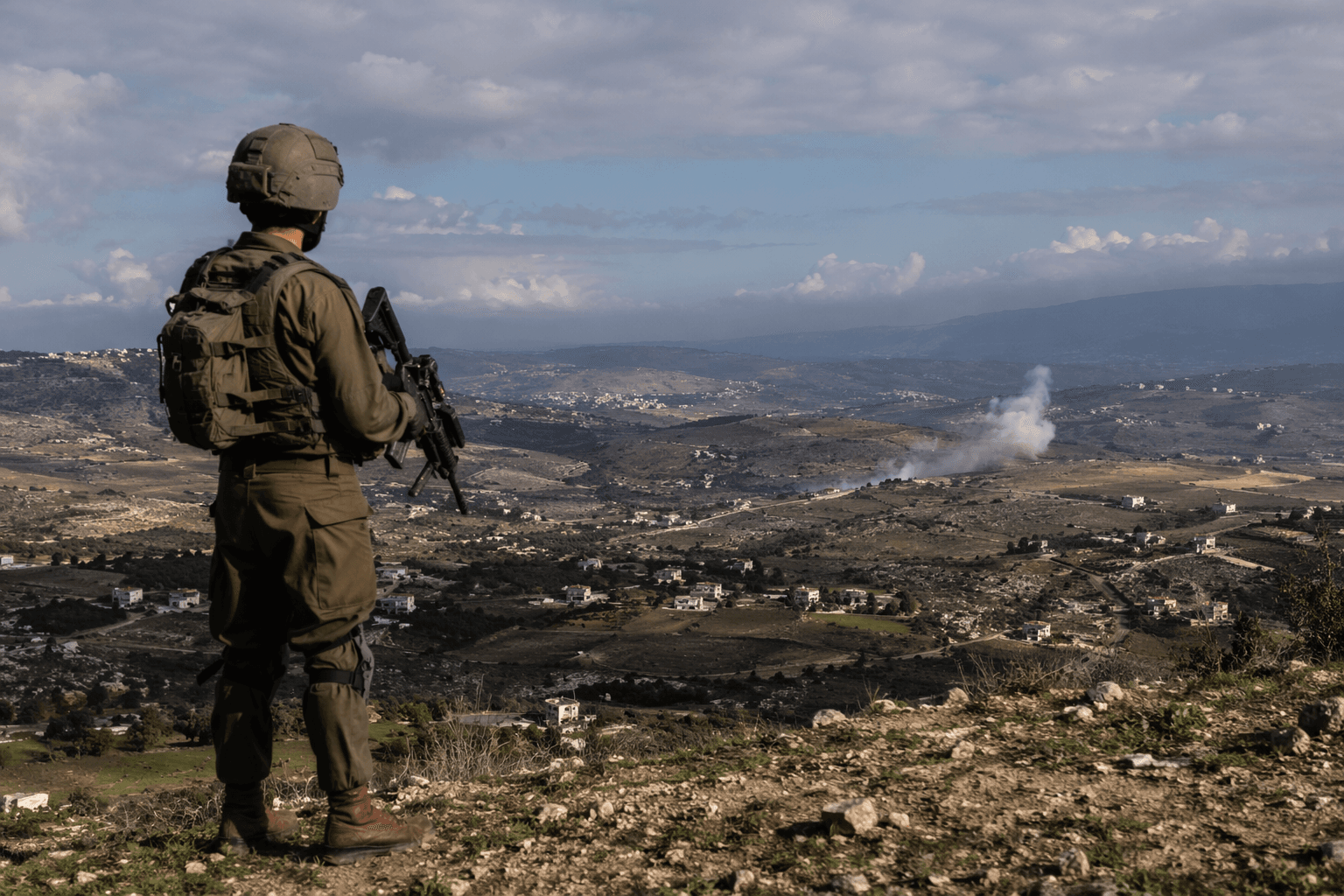
Israeli officials have since made clear they do not intend to pull back to the line envisioned by the deal. On June 18, Reuters reported that Israel was in talks with the United States over continuing its troop deployment in southern Lebanon, and a senior Israeli official said Israel was conducting “stubborn negotiations” with Washington. Another report said the Israeli army published a map showing an expanded military control zone, underscoring how far Israel’s position now sits from the ceasefire language on Lebanese sovereignty.
The stakes extend well beyond one border strip. The United Nations says the Blue Line stretches about 120 kilometers along Lebanon’s southern frontier and marks Israel’s withdrawal line. In its March 11 report, the secretary-general said there had been no progress through February 20 on the withdrawal of Israeli forces from Lebanese territory, that Israel still retained five positions and two buffer zones north of the Blue Line, and that UNIFIL had recorded 242 projectile trajectories and more than 199 instances of light weapons fire from south to north.
That backdrop makes the confrontation especially volatile. The UN Security Council has set UNIFIL’s mandate to end in December 2026, even as the mission has been in southern Lebanon since 1978. Lebanon’s new government has agreed to a plan to disarm Hezbollah and make the Lebanese Armed Forces the sole armed force, but Hezbollah chief Naim Qassem rejected a partial truce in early June and demanded a complete Israeli withdrawal from Lebanese territory.
The latest standoff follows months of escalation after Hezbollah opened fire on March 2 in support of Iran, prompting Israel to expand its invasion of southern Lebanon. With Netanyahu now signaling that troops will stay, the ceasefire is no longer just a diplomatic text. It is a test of whether the United States can enforce limits on an ally, whether Lebanon can reclaim authority in the south, and whether the region is headed back toward a wider conflict.
This article was produced by Prism’s automated news system from verified source data, official records, and press releases, then run through automated quality and moderation checks before publishing. The system is built and supervised by the people who set the standards it runs under. Read our full AI policy.
Know something we missed? Have a correction or additional information?
Submit a Tip