Cuba lawmakers to vote on sweeping economic reforms amid crisis
Cuba approved 176 reforms to expand private enterprise, cut subsidies and invite diaspora capital as blackouts and shortages deepened.
Cuba’s Communist Party moved to open the economy just enough to ease the crunch without loosening its grip on power, approving 176 reform proposals and sending them to lawmakers for a vote that is expected to pass with little resistance. Miguel Diaz-Canel told party leaders the measures were urgent, and Raul Castro backed the package in a written letter calling it “beneficial” and urging quick action.
The proposals, grouped into 23 areas, were approved by the Communist Party’s Central Committee during an extraordinary plenary session and folded into Cuba’s Economic and Social Program for 2026. Diaz-Canel used a speech aired Thursday morning to say the country needed to “unleash production” and cut restrictions, a pointed acknowledgment that the old model of central control has not been enough to stabilize daily life.
The package would go beyond cosmetic adjustments. Officials said it would let state-owned companies participate in the foreign-exchange market, authorize investment by Cubans living abroad, reduce bureaucracy, expand private enterprise and end subsidies for certain products. Other reporting said the draft could also shrink the state apparatus from 27 ministries to 20, a sign that the government is at least considering a leaner administrative structure.
In practical terms, those changes would shape how Cubans shop, work and import goods. A looser foreign-exchange regime could help businesses obtain hard currency, while new channels for diaspora investment could bring in money from Cubans abroad who have long been shut out of the private sector. Ending subsidies would almost certainly put more pressure on household budgets, but it also reflects a state that can no longer carry the cost of keeping many prices artificially low.
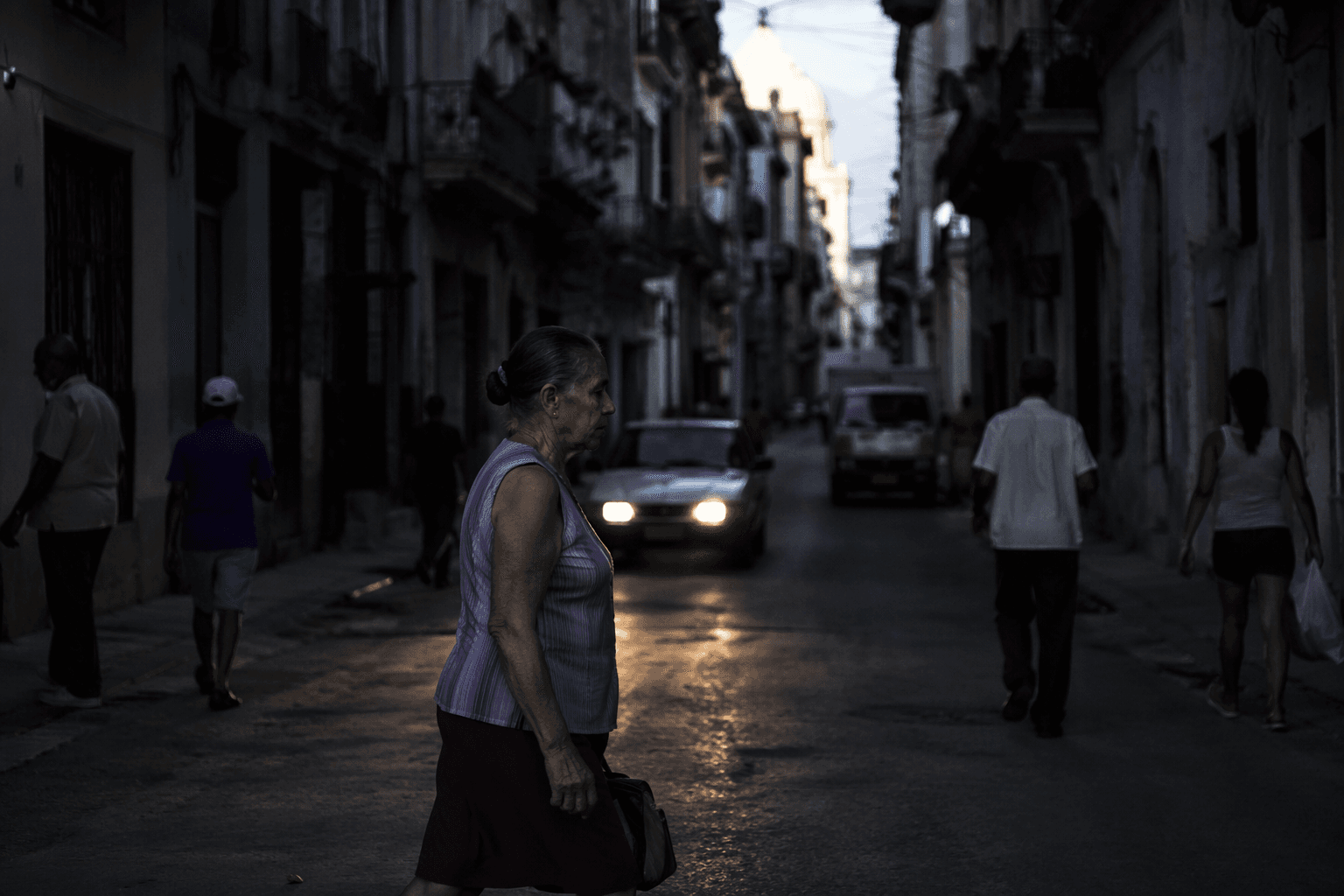
The timing reflects how severe the crisis has become. Cuba is facing chronic shortages, an energy collapse, oil deficits and a shrinking tourism industry, while foreign businesses continue to leave. In parts of Havana, residents have staged pot-banging protests as widespread power outages spread across the island, a rare public display of frustration that underscores the mounting strain.
The reforms have been described as the most far-reaching opening in years, and officials have compared the direction to the socialist-market models used in China and Vietnam. But Cuba has made similar promises before, only to see them stall in implementation. The new package is different in scale, not yet in proof, and the real test will be whether this time the state allows enough change to ease the shortages, price pressure and migration push that are hollowing out everyday life.
This article was produced by Prism’s automated news system from verified source data, official records, and press releases, then run through automated quality and moderation checks before publishing. The system is built and supervised by the people who set the standards it runs under. Read our full AI policy.
Know something we missed? Have a correction or additional information?
Submit a Tip