Vance warns Israel not to alienate Trump over Iran deal
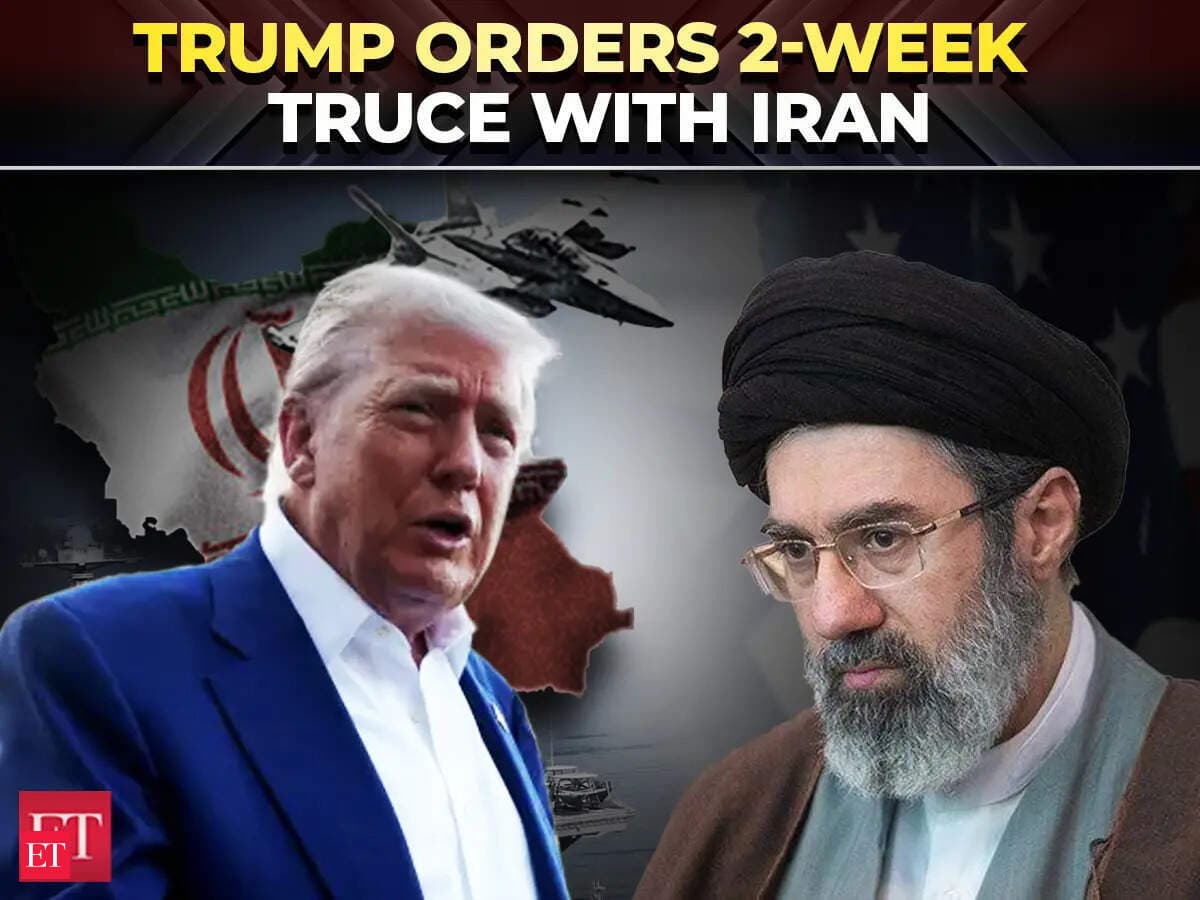
JD Vance warned Israeli critics not to alienate Trump as Washington pushed a fragile Iran deal that reopened the Strait of Hormuz and sent the text to Congress.

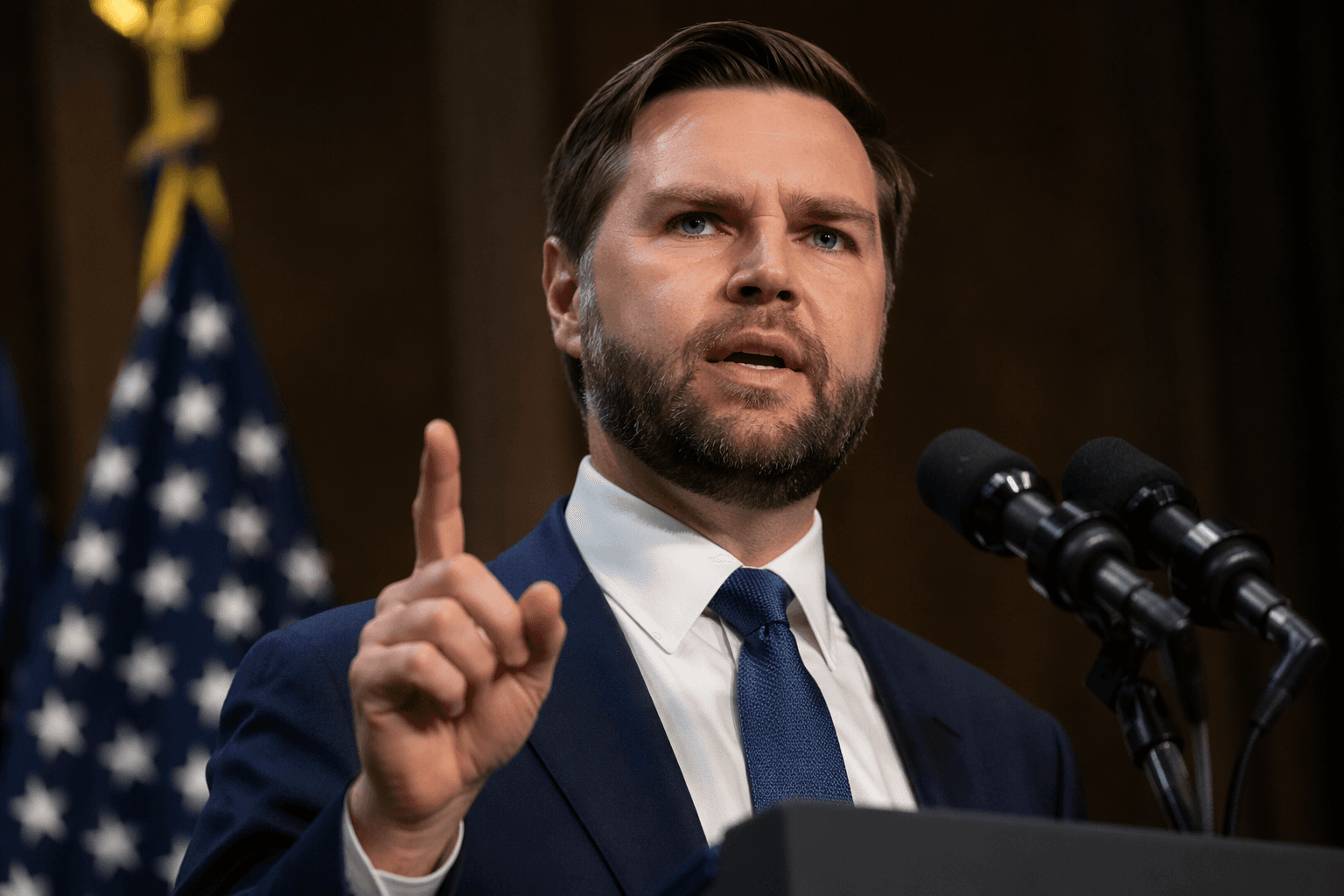
JD Vance warned Israeli critics of the Iran agreement not to alienate their most important ally, saying the backlash in Israel reflected a “weird panic” and “freakout.” He cast Donald J. Trump as Israel’s indispensable partner, declaring, “Donald J. Trump is the only head of state in the entire world sympathetic to the state of Israel at moment in this time.”
The vice president’s rebuke came as the Trump administration tried to steady a fragile U.S.-Iran memorandum of understanding signed on June 15, 2026, aimed at ending the war, reopening the Strait of Hormuz and launching 60 days of follow-on nuclear negotiations. The White House sent the interim agreement text to Congress on June 18, and Vance said the U.S. Navy had allowed more than a dozen ships through to Iranian ports as the blockade began to ease. He also said more than 12.5 million barrels moved through the shipping channel overnight.
The deal has opened a new split inside the Republican coalition. Some Senate Republicans have sought a congressional review and said they want to examine the fine print, especially the nuclear safeguards. Vance said uranium removal and International Atomic Energy Agency inspections were core parts of the agreement, and he expressed confidence that Israel would eventually join.
Inside Israel, the political damage is immediate. Israeli officials and allies of Prime Minister Benjamin Netanyahu see the arrangement as a strategic setback and fear it could limit Israel’s military freedom of action, especially in Lebanon. Their concern is not only about Iran’s nuclear program but also about how much room Israel will have to act if the region deteriorates again.
Trump has intensified the friction with public criticism of Israel during the same dispute, deepening the strain with Netanyahu even as the administration presents the deal as the only viable path away from a wider regional war. For Washington, the challenge is now as much political as diplomatic: hold together a fragile accord with Iran, calm Republican skeptics and prevent the U.S.-Israel alliance from becoming another casualty of the conflict.
This article was produced by Prism’s automated news system from verified source data, official records, and press releases, then run through automated quality and moderation checks before publishing. The system is built and supervised by the people who set the standards it runs under. Read our full AI policy.
Know something we missed? Have a correction or additional information?
Submit a Tip