Britain to send 150,000 drones to Ukraine in £752 million package
Britain pledged 150,000 drones for Ukraine, turning unmanned systems into a mass battlefield supply line backed by frozen Russian assets.
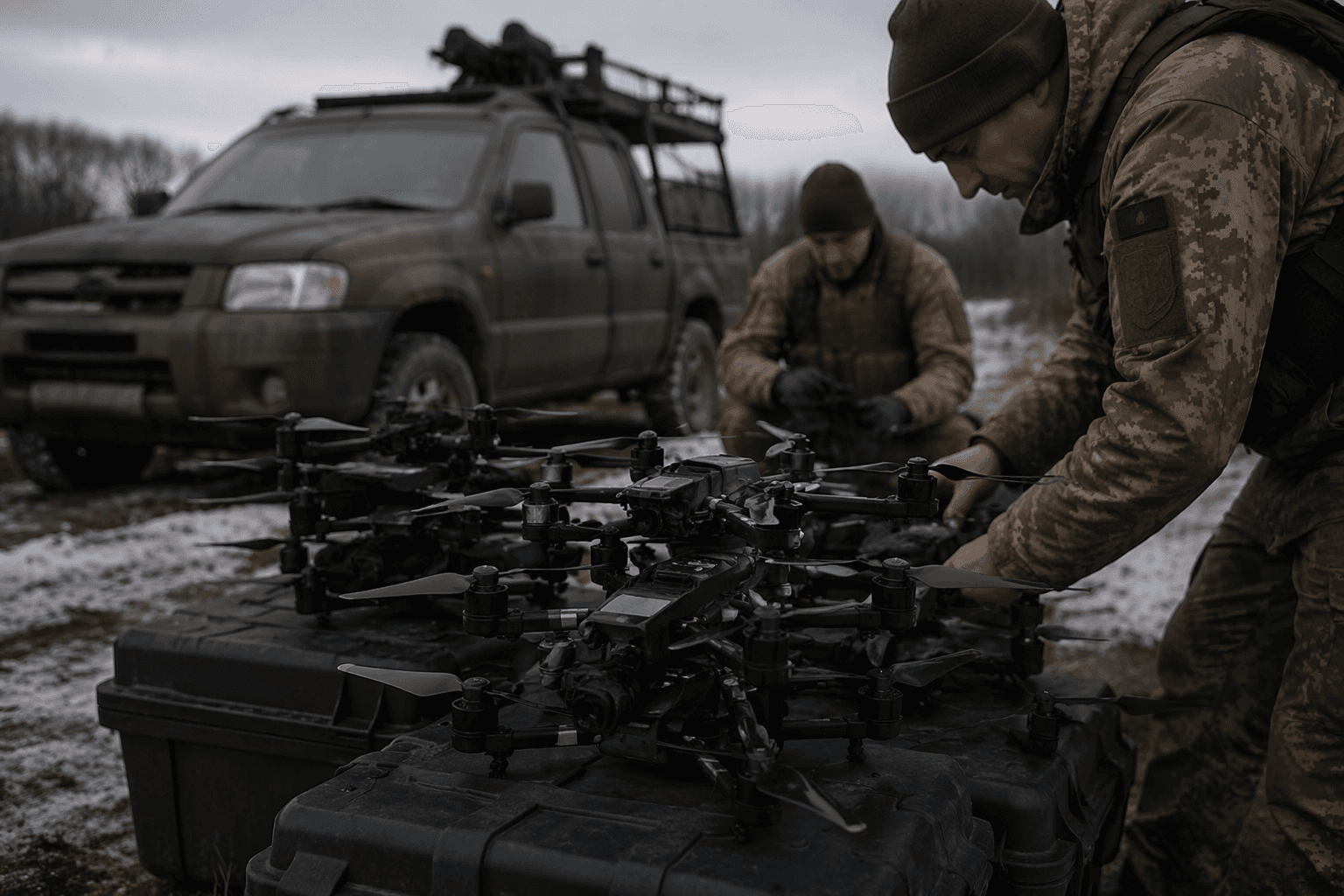
Britain moved to deepen its wager on drone warfare, pledging 150,000 unmanned systems for Ukraine as part of a £752 million package that also includes more than 350 air-defense missiles and radar systems. The delivery target runs through the end of 2026, a sign that London now sees scale, speed and replaceability as central to Kyiv’s war effort.
Defence Secretary Dan Jarvis unveiled the package in Brussels at the 35th meeting of the Ukraine Defense Contact Group, which Britain said brought together nearly 50 nations and was co-chaired by Jarvis and German Defence Minister Boris Pistorius. The funding comes from the United Kingdom’s £2.26 billion Extraordinary Revenue Acceleration loan to Ukraine, which is backed by proceeds from immobilized Russian sovereign assets, tying the military aid package to a broader political effort to make Moscow help pay for the war.
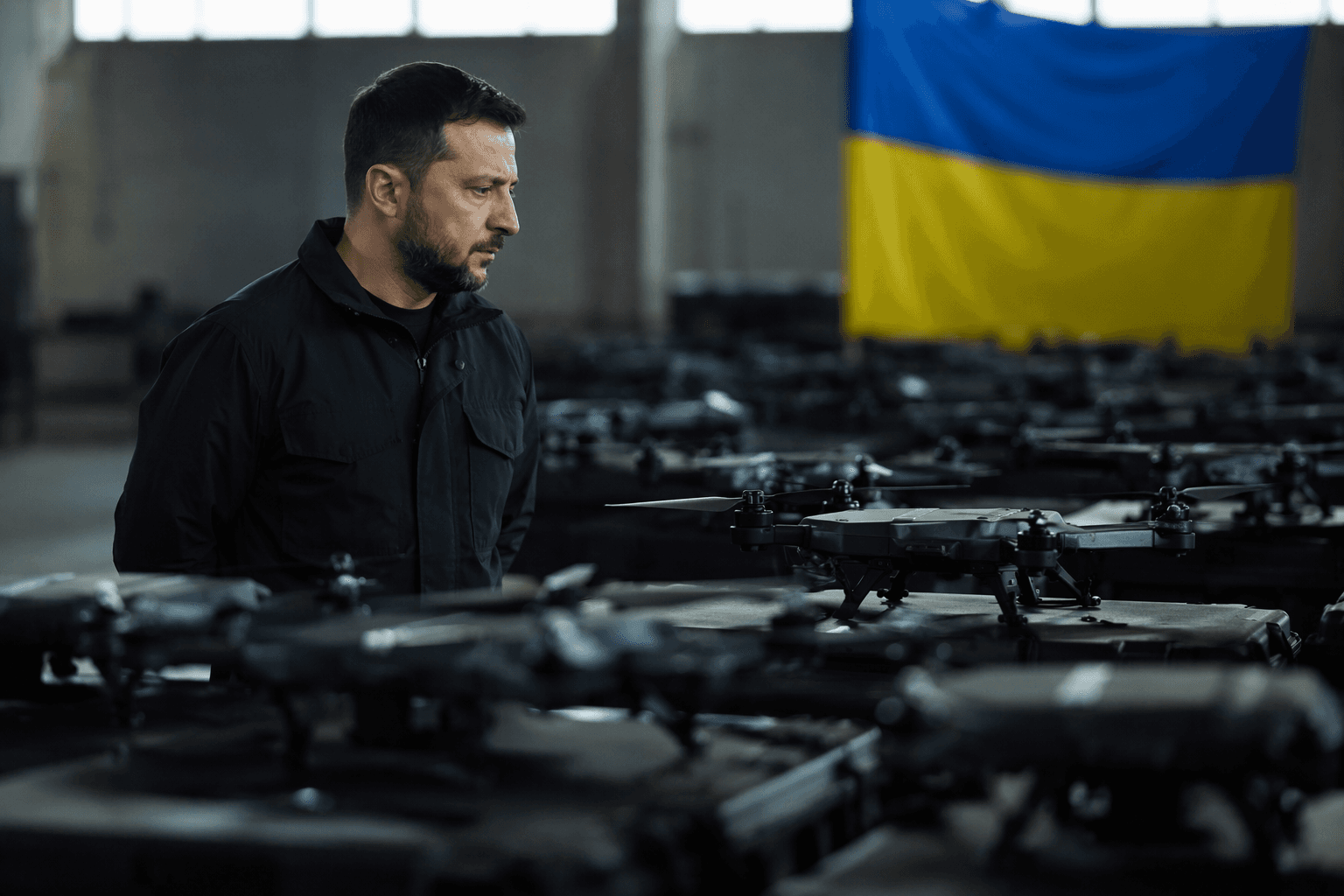
The new commitment marks another step in Britain’s rapid shift toward industrial-scale drone supply. On April 15, the UK said it would deliver at least 120,000 drones to Ukraine in 2026, including long-range strike drones, reconnaissance drones, logistics drones and maritime capabilities, with deliveries already under way that month. The latest pledge lifts that number again and reinforces the view that unmanned systems are no longer a supporting tool but a core weapon category in their own right.
That matters because the battlefield itself has been remade by drones. Britain’s earlier April announcement said roughly 6,500 Russian one-way attack drones were launched against Ukraine in March 2026 alone, a measure of the volume Kyiv faces in the air and along the front line. The new package, paired with Lightweight Multirole Missiles and ground-based radar systems, suggests the next phase of the war will be shaped as much by production capacity and air-defense integration as by traditional platforms such as tanks and artillery.
The industrial policy implications are just as sharp. Britain said its earlier drone investment would be spent largely with domestic firms including Tekever, Windracers and Malloy Aeronautics, linking Ukraine support to jobs, procurement and manufacturing at home. With the UK saying it has now committed up to £21.8 billion for Ukraine overall, including £13 billion in military support, the latest package shows a sustained strategy: use frozen Russian assets, expand industrial output, and keep Ukraine supplied with large numbers of cheap, expendable systems that can be replaced as fast as they are lost.
This article was produced by Prism’s automated news system from verified source data, official records, and press releases, then run through automated quality and moderation checks before publishing. The system is built and supervised by the people who set the standards it runs under. Read our full AI policy.
Did this article answer your question?