Gaza holds biggest mass funeral of war for 112 recovered bodies
Gaza City buried 112 Palestinians recovered from rubble in the war's biggest mass funeral, many from one extended family struck in Sabra in 2023.
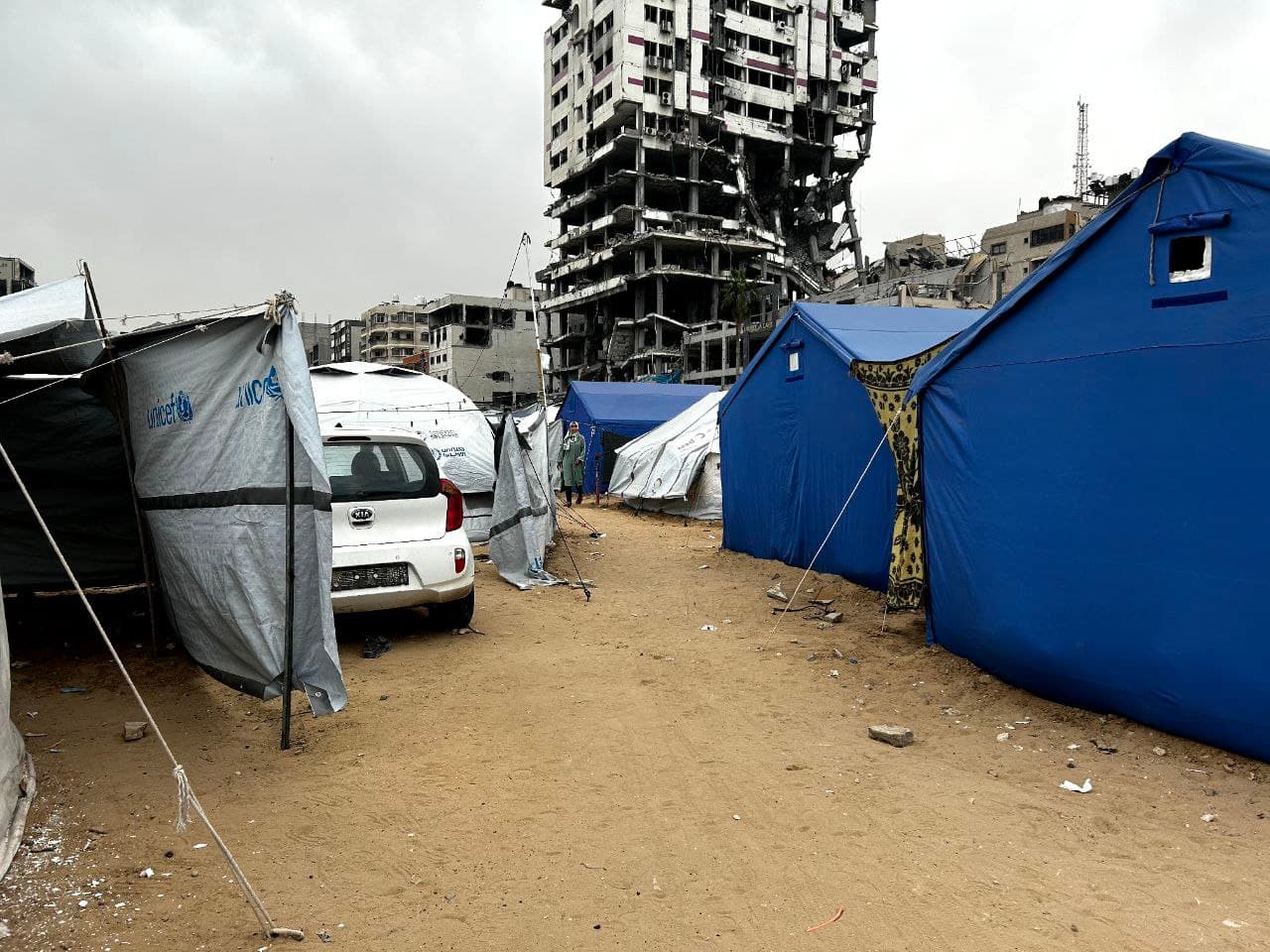
Gaza City buried 112 Palestinians recovered from the rubble on Aug. 4 in the Gaza Strip's biggest mass funeral since the war began. The dead were from the Hassayna and Abu Sharia extended family, and many of them were women and children pulled from the wreckage long after the original strike.
Mourners gathered as row after row of bodies lay on stretchers draped in Palestinian flags. Some accounts said the dead included 40 children, 38 women and several people with disabilities, a grim snapshot of how civilian death in Gaza has disproportionately fallen on families sheltering inside homes that later collapsed.
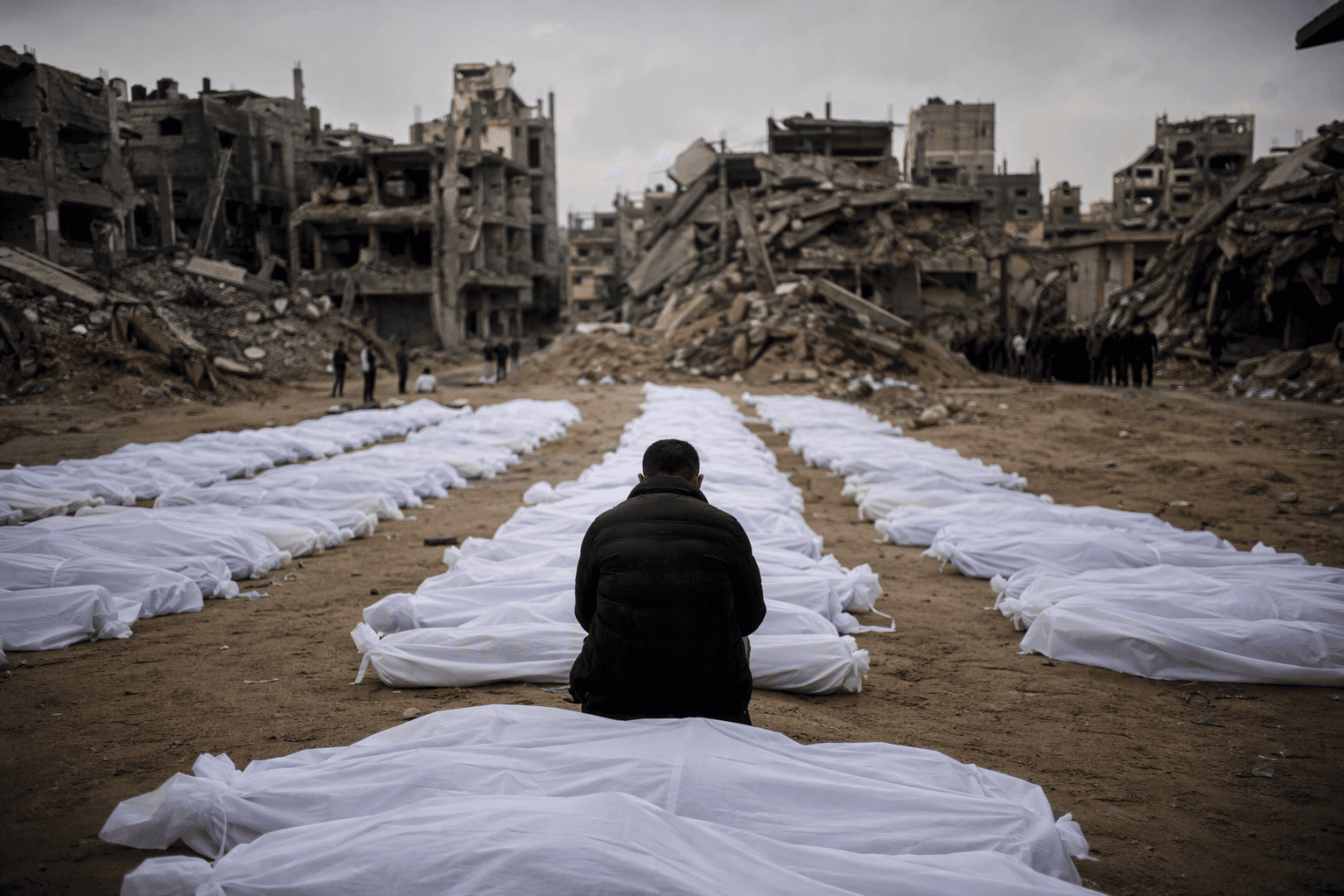
Palestinian authorities said 308 members of the extended Al-Hassayna family, also known as Abu Sharia, were killed in the attack on the Sabra neighborhood of Gaza City in November 2023. The 112 bodies laid to rest on Monday represented only part of that total, underscoring how many families in Gaza are still trying to identify and bury relatives months and years after the strikes that killed them.
A social post tied to Reuters material said excavation at the site ran from July 14 to Aug. 1, after Gaza Civil Defense crews were finally able to reach the area. That delay turned recovery into another stage of grief for relatives who had waited through destruction, displacement and uncertainty over the fate of the missing.
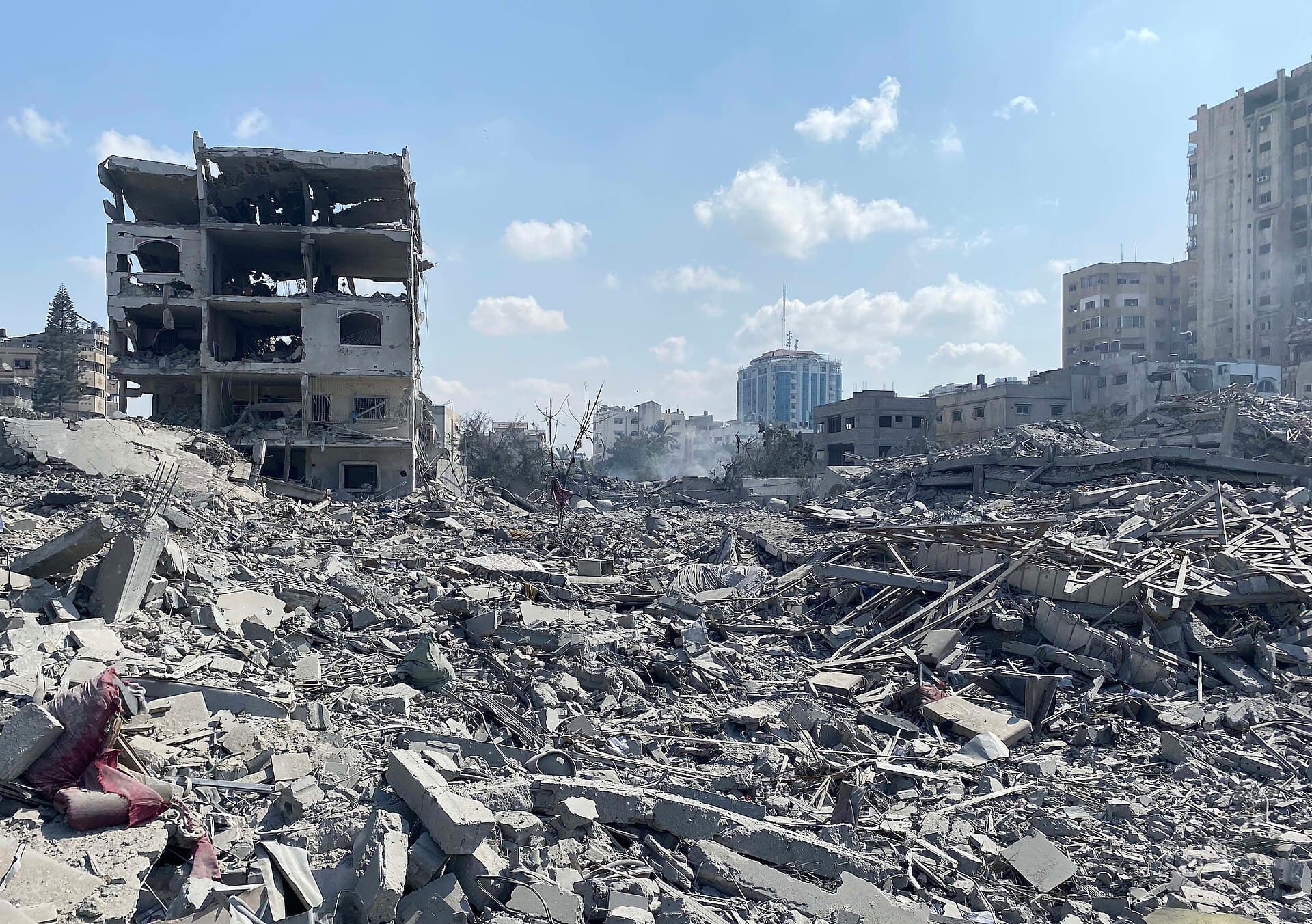
The funeral also fit a broader pattern documented across the war. U.N. humanitarian materials describe mass displacement, destroyed homes and severe conditions across the Gaza Strip, and in January 2025 bereaved Gazans were still digging bodies out of city ruins for burial. In Gaza City, the long count of the dead continued in the open, with one extended family laid to rest together only after the rubble was cleared.
This article was produced by Prism’s automated news system from verified source data, official records, and press releases, then run through automated quality and moderation checks before publishing. The system is built and supervised by the people who set the standards it runs under. Read our full AI policy.
Did this article answer your question?