Guatemala evacuates villages near Fuego volcano after eruption
Authorities moved residents out of two villages near Fuego as orange-alert evacuations followed a sharp overnight intensification and fears of pyroclastic flows.
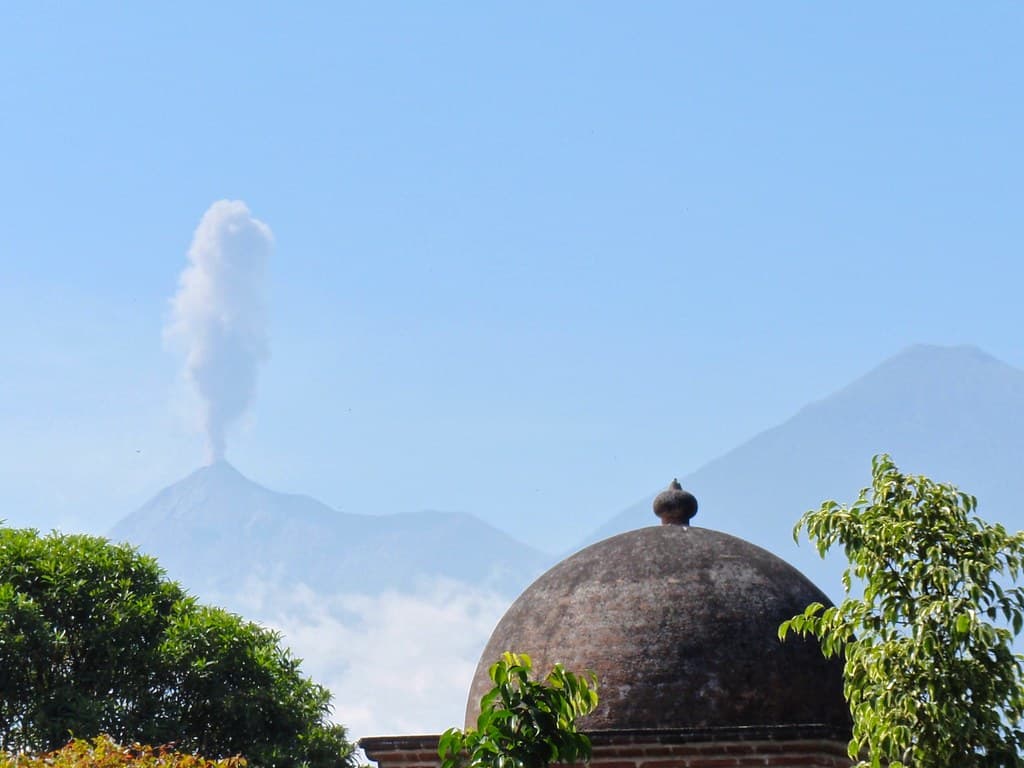
Guatemala evacuated residents from two villages near Fuego volcano after the eruption intensified and sent ash and lava into the air, forcing officials to move people out of harm’s way. CONRED, the country’s disaster-management agency, raised the alert level to orange as emergency crews warned of dangerous pyroclastic flows and ash clouds. The speed of the response reflected what Fuego’s history has taught Guatemala: when the mountain turns active, delays can be deadly.
Volcanic activity began on Aug. 3 and grew much stronger overnight before the evacuations on Aug. 4. Wire updates put the number of people moved from nearby communities anywhere from about 330 to 786, with residents in areas near San Juan Alotenango among those affected. Authorities also ordered precautionary measures that included highway closures and class suspensions, underscoring how quickly a volcanic emergency can spread beyond the crater itself and into transportation and daily life.
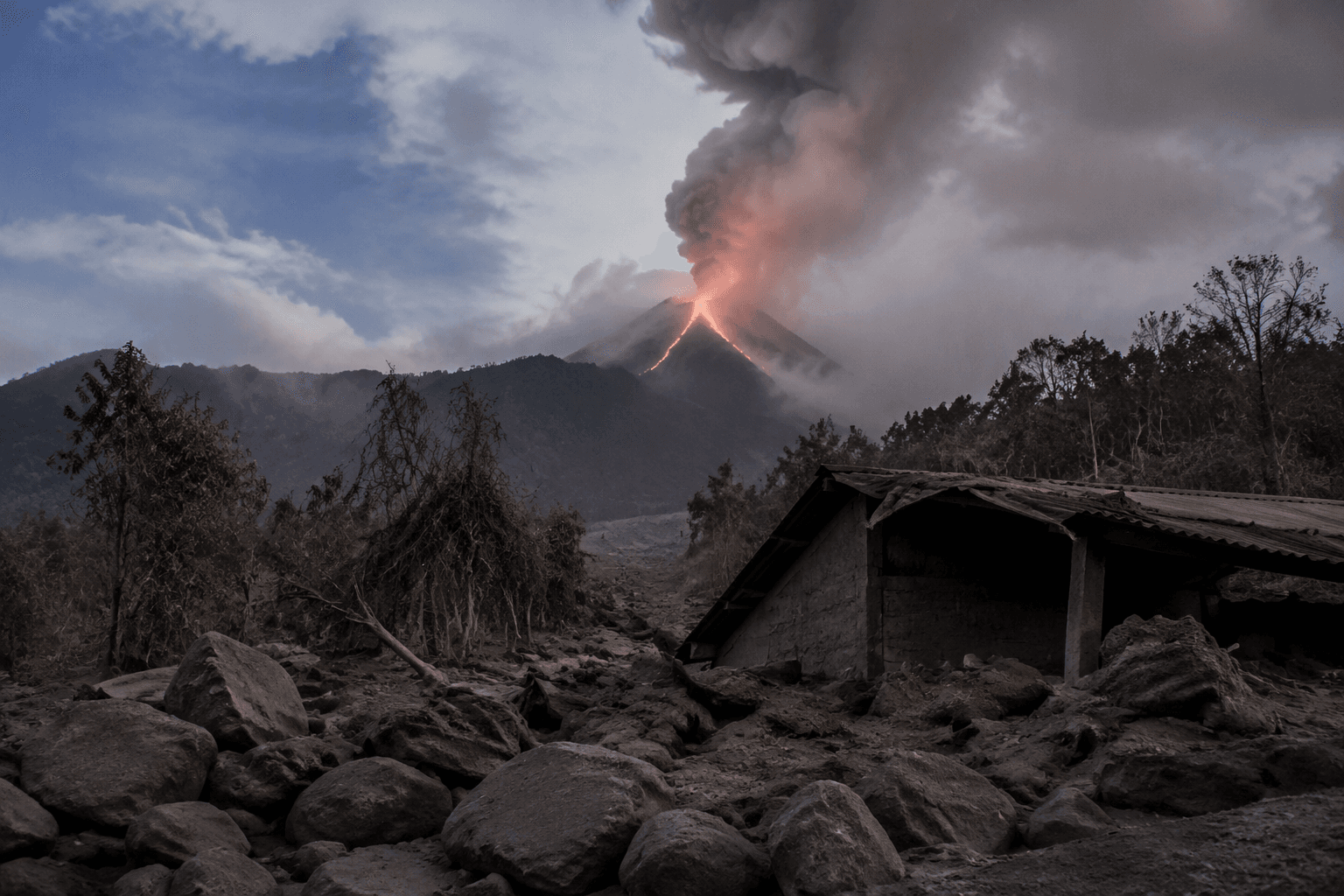
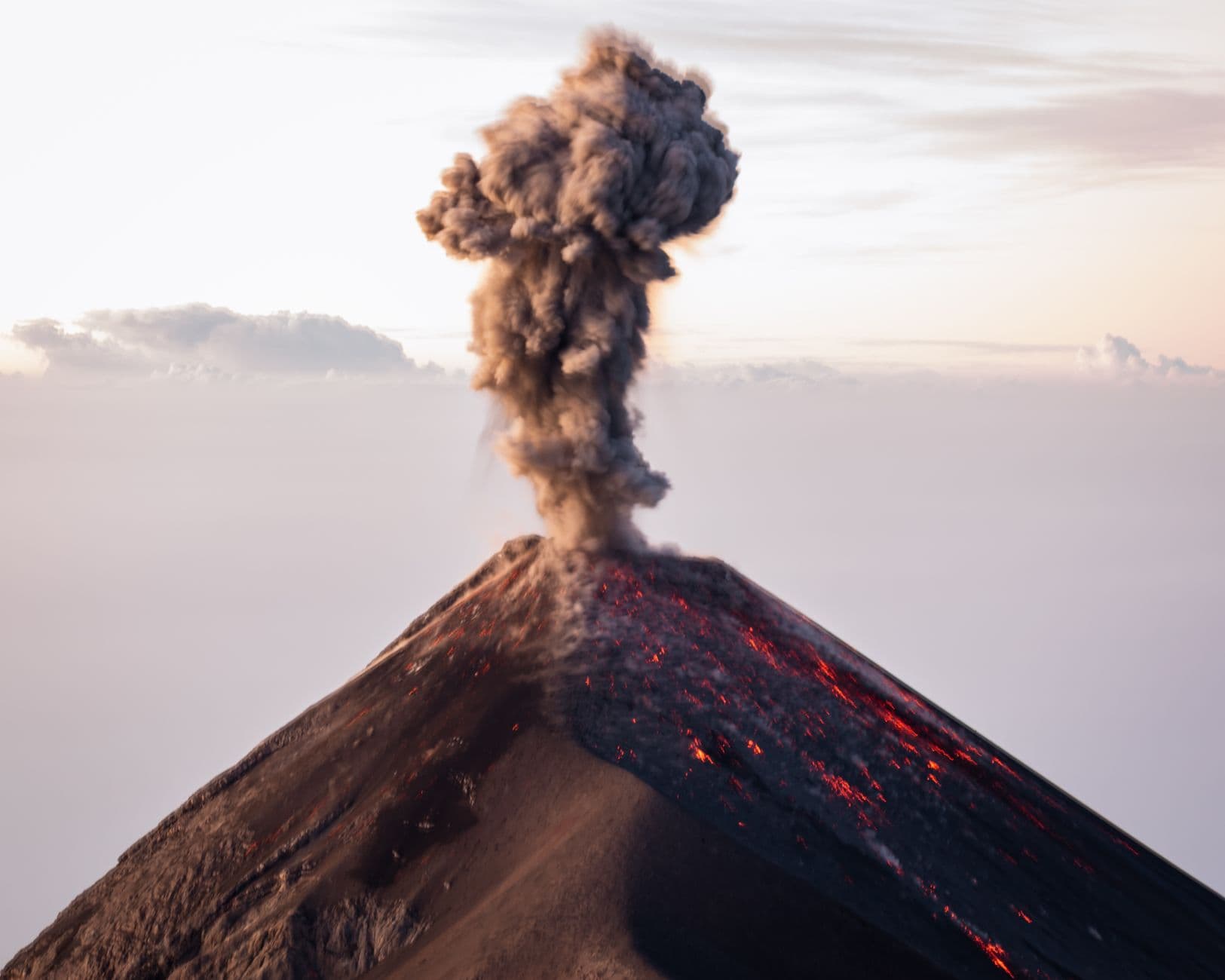
Fuego sits about 65 kilometers southwest of Guatemala City and is one of Central America’s most active volcanoes, which makes eruptions a chronic risk rather than a once-in-a-generation event. That danger is not limited to lava. Ashfall can damage crops, contaminate water supplies and disrupt tourism and transport, problems that ripple through a region where many families depend on agriculture, trade and road access to reach markets and jobs.
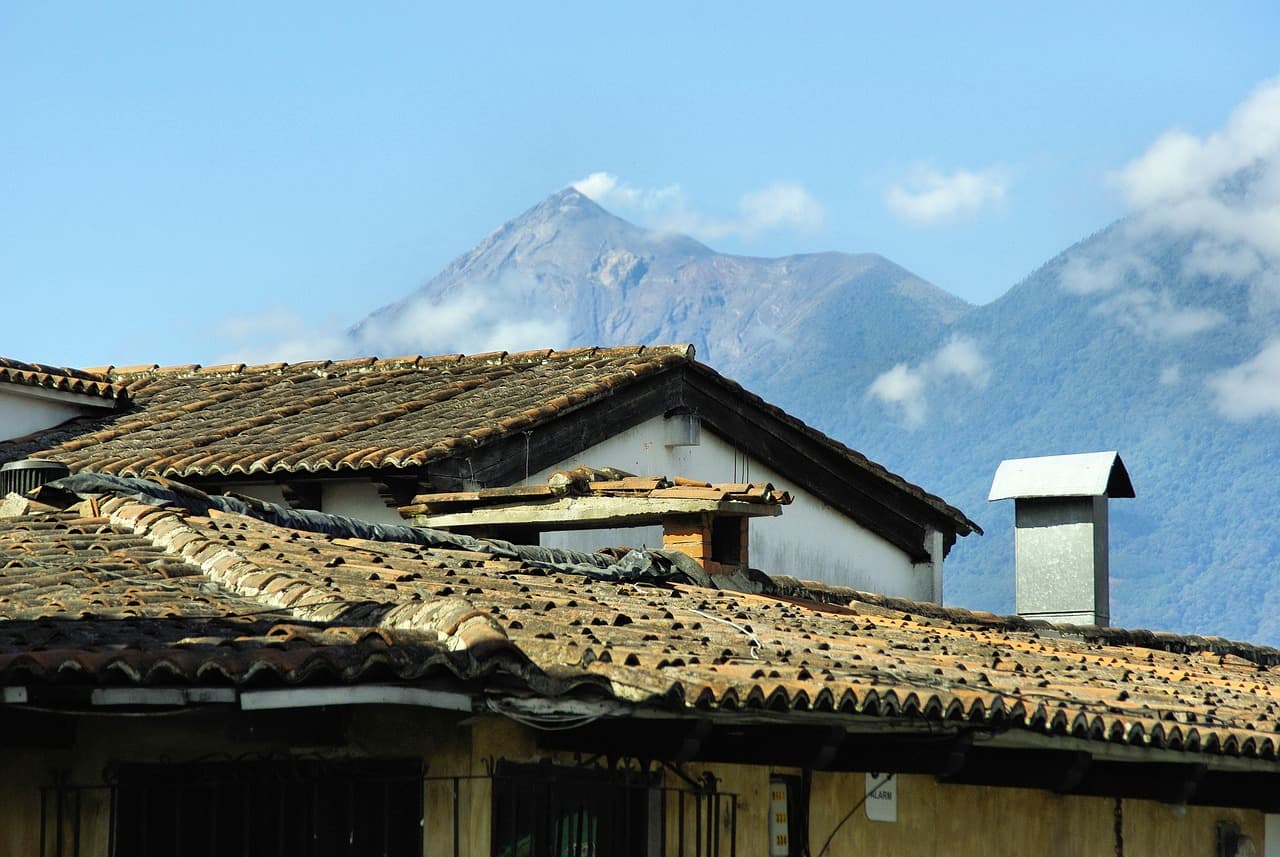
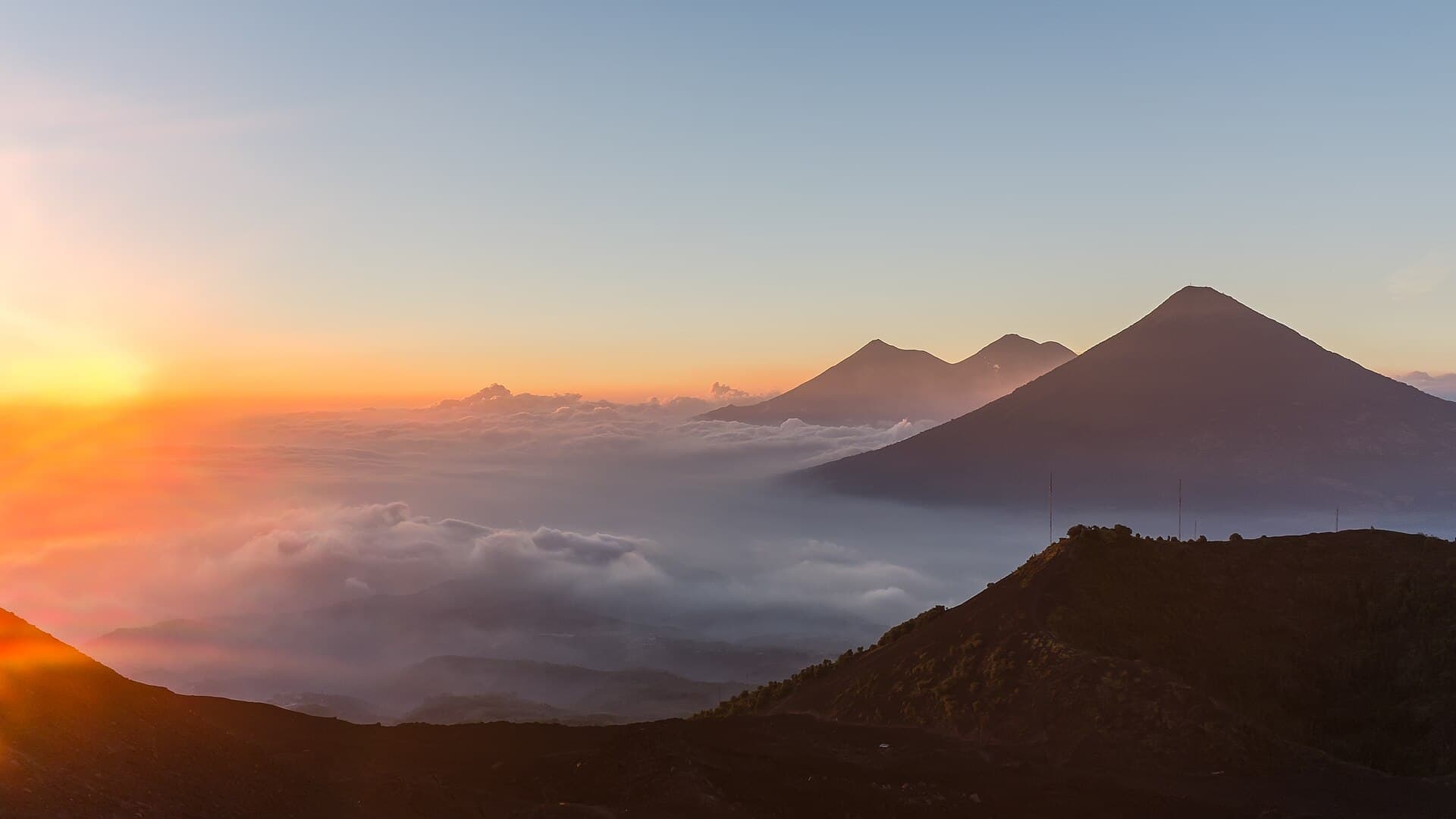
The volcano’s June 2018 eruption killed more than 190 people, a disaster that remains the benchmark for every new alert and evacuation order. That history helps explain why officials moved quickly this time, using civil defense systems to coordinate alerts, transport, shelter and medical assistance before the eruption could cut off roads or trap residents in the path of falling debris and fast-moving flows. For communities on Fuego’s slopes, the challenge is constant: living close to one of the region’s most dangerous volcanoes means preparing for the next escalation long before it arrives.
This article was produced by Prism’s automated news system from verified source data, official records, and press releases, then run through automated quality and moderation checks before publishing. The system is built and supervised by the people who set the standards it runs under. Read our full AI policy.
Did this article answer your question?