Asian allies fear Trump may trade security for China economic concessions
Allies from Tokyo to Canberra fear Trump could soften on Taiwan and security commitments to win Chinese purchases, tariff relief and a trade truce.
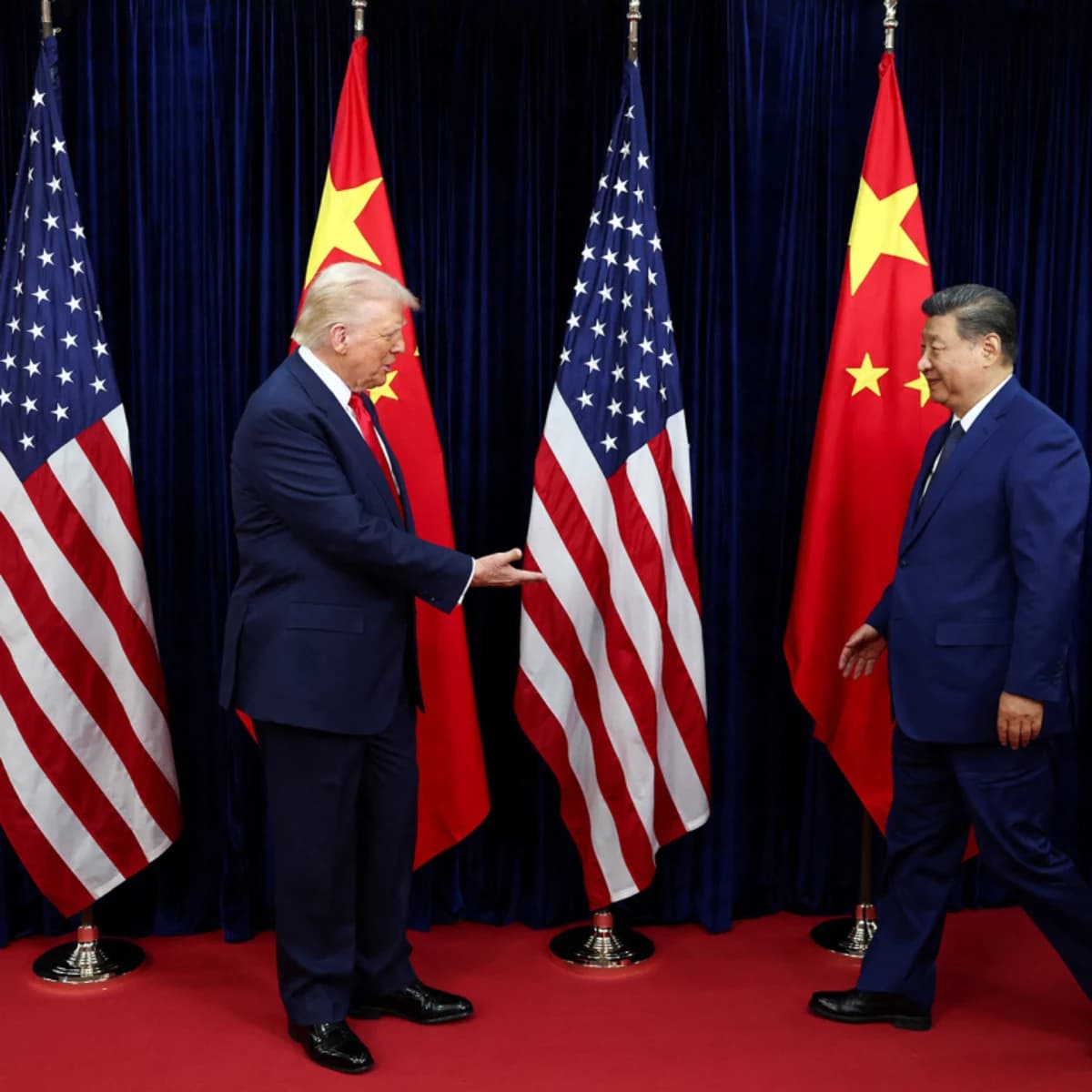
Japan, South Korea, the Philippines and Australia are bracing for a deal they will not help write: a Trump-Xi bargain that could ease economic pressure on Washington and Beijing while leaving regional security worries to others. The fear in allied capitals is not simply that Donald Trump and Xi Jinping will lower tensions in Beijing. It is that the United States could trade away leverage on Taiwan, technology controls or wider security commitments in exchange for Chinese concessions that look narrow in economic terms but carry far larger strategic costs.
The summit, set for May 14-15 in Beijing, will be the first visit by a U.S. leader to China in almost a decade and the first by a U.S. president since November 2017. It follows an October 2025 trade agreement that cut U.S. tariffs on Chinese imports from 57% to 47%, and aides on both sides are again circling the same transactional terrain: an extension of the trade truce, larger Chinese purchases of U.S. agricultural goods, Boeing aircraft, coal, oil and natural gas, and possible easing of U.S. curbs on advanced semiconductors. Beijing is also pressing for relief from export restrictions that have hit its access to chip-making tools and other technology.
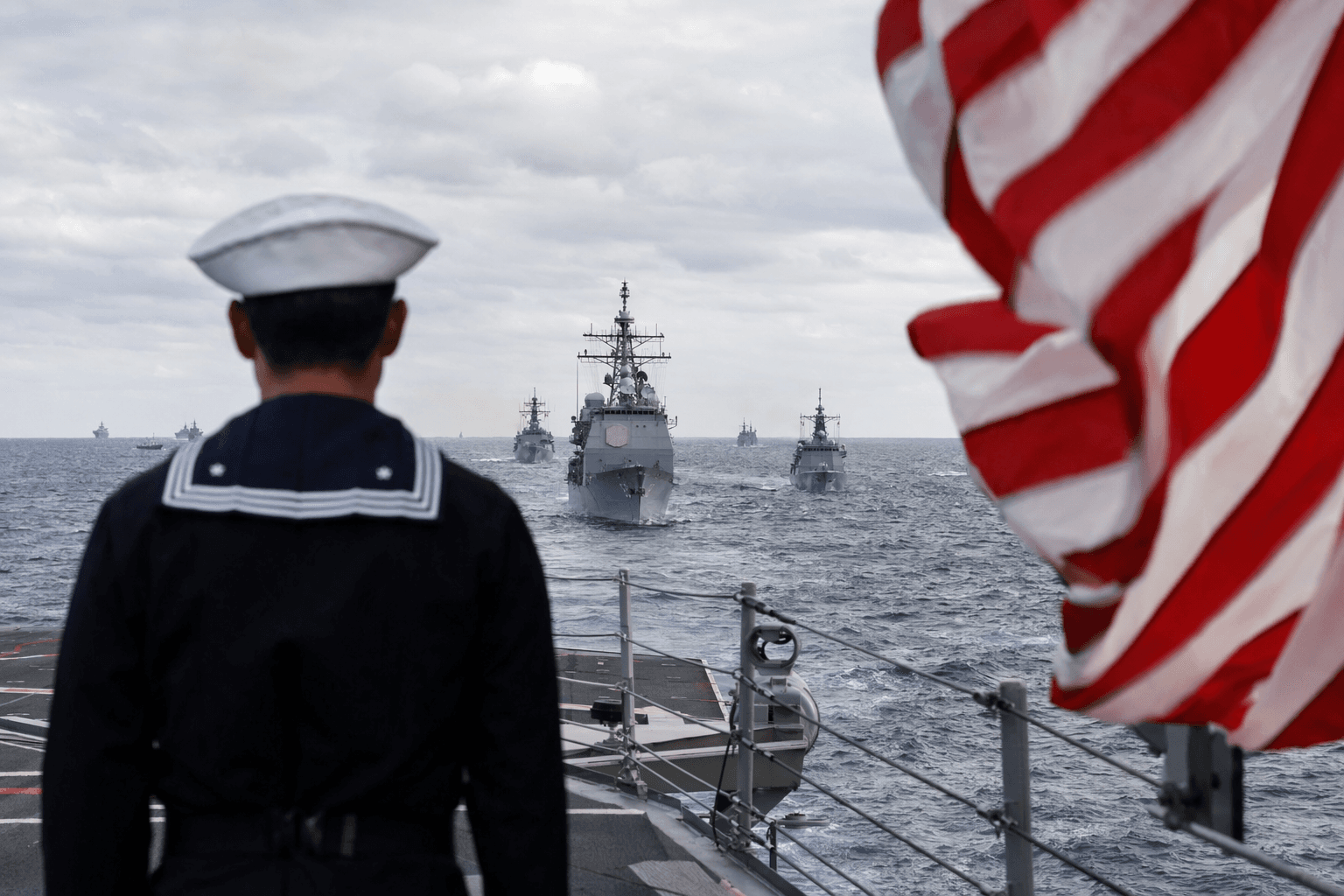
That bargain matters far beyond bilateral trade. Chinese restrictions on rare-earth exports and semiconductor-related controls have already disrupted supply chains in Europe, Japan and South Korea, showing how quickly a U.S.-China standoff can ricochet through factories, autos and electronics. Middle powers worry that any summit outcome that softens Washington’s stance on Taiwan, the region’s likeliest flash point, could encourage Beijing to test American resolve elsewhere. At the same time, Washington is still investigating Chinese industrial overcapacity and forced labor, while Beijing has answered with legal countermeasures and restrictions tied to Iranian oil sanctions.
The geopolitical backdrop is even less forgiving because the Iran war has drained U.S. attention and reduced its military posture in the Indo-Pacific, weakening deterrence calculations just as Beijing’s leverage has improved. That leaves allied governments reading the summit for signals that matter as much as any tariff line: whether Washington will keep treating regional security as non-negotiable, or whether it will again accept a smaller economic pause as the price of a larger strategic ambiguity. The precedent is fresh. When Trump and Xi met in Busan, South Korea, in 2025, they delivered a trade pause and tariff relief, reinforcing the suspicion that bilateral summits can produce deals that soothe markets while leaving allies to absorb the risk.
This article was produced by Prism’s automated news system from verified source data, official records, and press releases, then run through automated quality and moderation checks before publishing. The system is built and supervised by the people who set the standards it runs under. Read our full AI policy.
Did this article answer your question?


