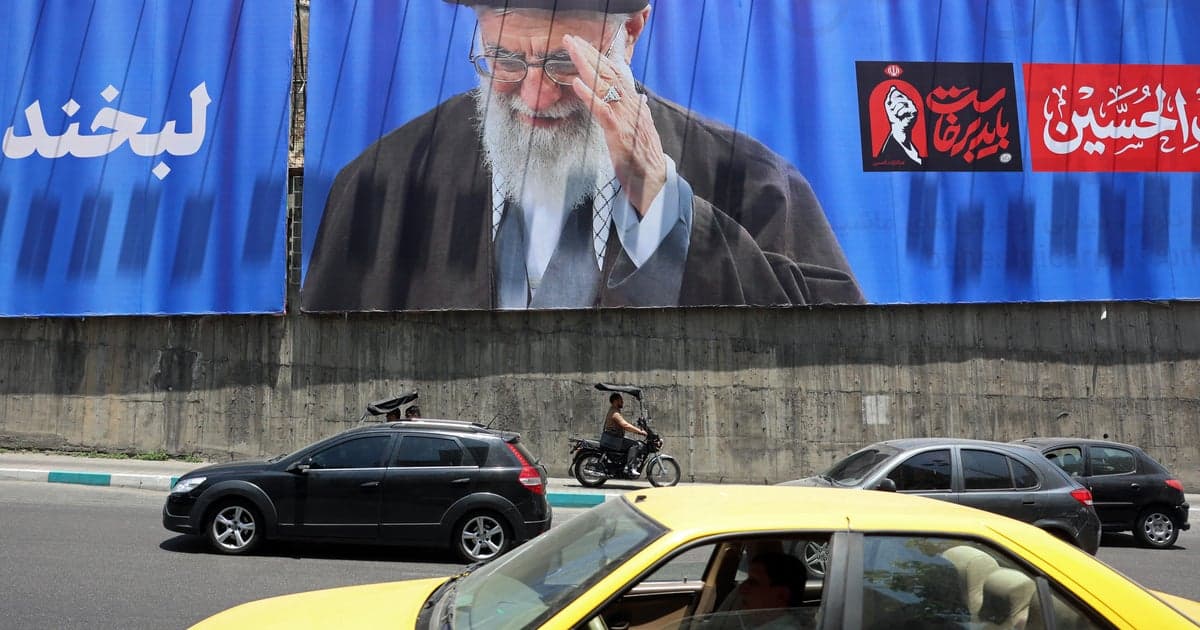
Tehran dissident says war fears and crackdown deepen psychological pressure
A Tehran dissident said fear of renewed war had piled onto years of repression, leaving her feeling helpless as arrests, executions and blackouts tightened Iran’s grip.
A dissident in Tehran said the threat of renewed war had become another source of torment in a country already defined by surveillance, arrests and punishment. She described feeling helpless and under immense psychological pressure, a mood that reflects how external conflict can deepen the isolation of people who have spent years living under state crackdowns.
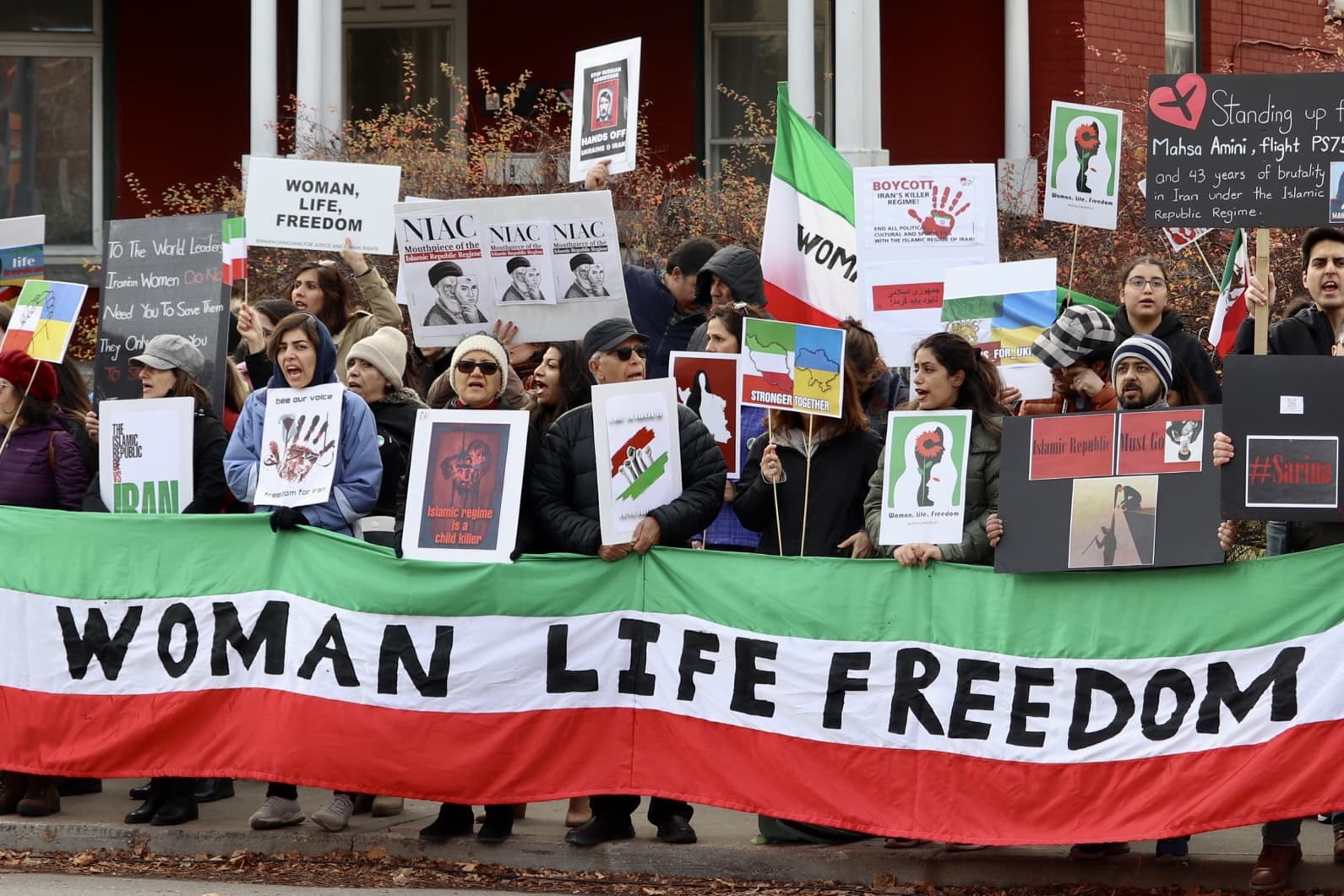
That pressure has built against the backdrop of the 2022 “Woman, Life, Freedom” protests, which erupted after Jina Mahsa Amini died in custody on 16 September 2022. The Office of the United Nations High Commissioner for Human Rights said the Iranian government has continued to ramp up efforts to restrict the rights of women and girls, and others demanding human rights, as part of a concerted effort to crush dissent. For many Iranians, the fear is no longer only of detention or trial, but of being trapped between repression at home and the risk of wider regional war.
The United Nations Independent International Fact-Finding Mission on the Islamic Republic of Iran said repression was still continuing two and a half years after the September 2022 protests. In a summary report released in March 2025, the mission said it had collected more than 38,000 pieces of evidence over 24 months and conducted 285 in-depth interviews with victims and witnesses. It said women, girls, men and children who challenged discrimination remained at risk of arrest, detention, torture, long prison sentences and even the death penalty.
Human Rights Watch said in January 2025 that Iranian authorities had continued brutal, targeted repression despite the new president’s promises of change. It said human rights defenders, women, ethnic and religious minorities, and families of those arrested or killed in the 2022 protests remained in the crosshairs. Amnesty International said nationwide protests erupted across Iran on 28 December 2025, and that authorities cut internet and telecommunications access on 8 January 2026 to conceal what it described as a deadly crackdown involving unlawful force, firearms and other prohibited weapons.
Human rights groups said Iran’s human rights crisis worsened further in 2025, with mass arbitrary arrests and the highest number of known executions in decades. For dissidents in Tehran, that reality has made the prospect of war feel less like a separate danger than an amplifier of the fear they already live with every day.
This article was produced by Prism’s automated news system from verified source data, official records, and press releases, then run through automated quality and moderation checks before publishing. The system is built and supervised by the people who set the standards it runs under. Read our full AI policy.
Did this article answer your question?