Asian Paints posts surprise profit drop after one-time labour charge
Asian Paints reported a consolidated net profit of 10.6 billion rupees, hit by a one-time charge linked to new labour laws that offset strong decorative paint volume growth.
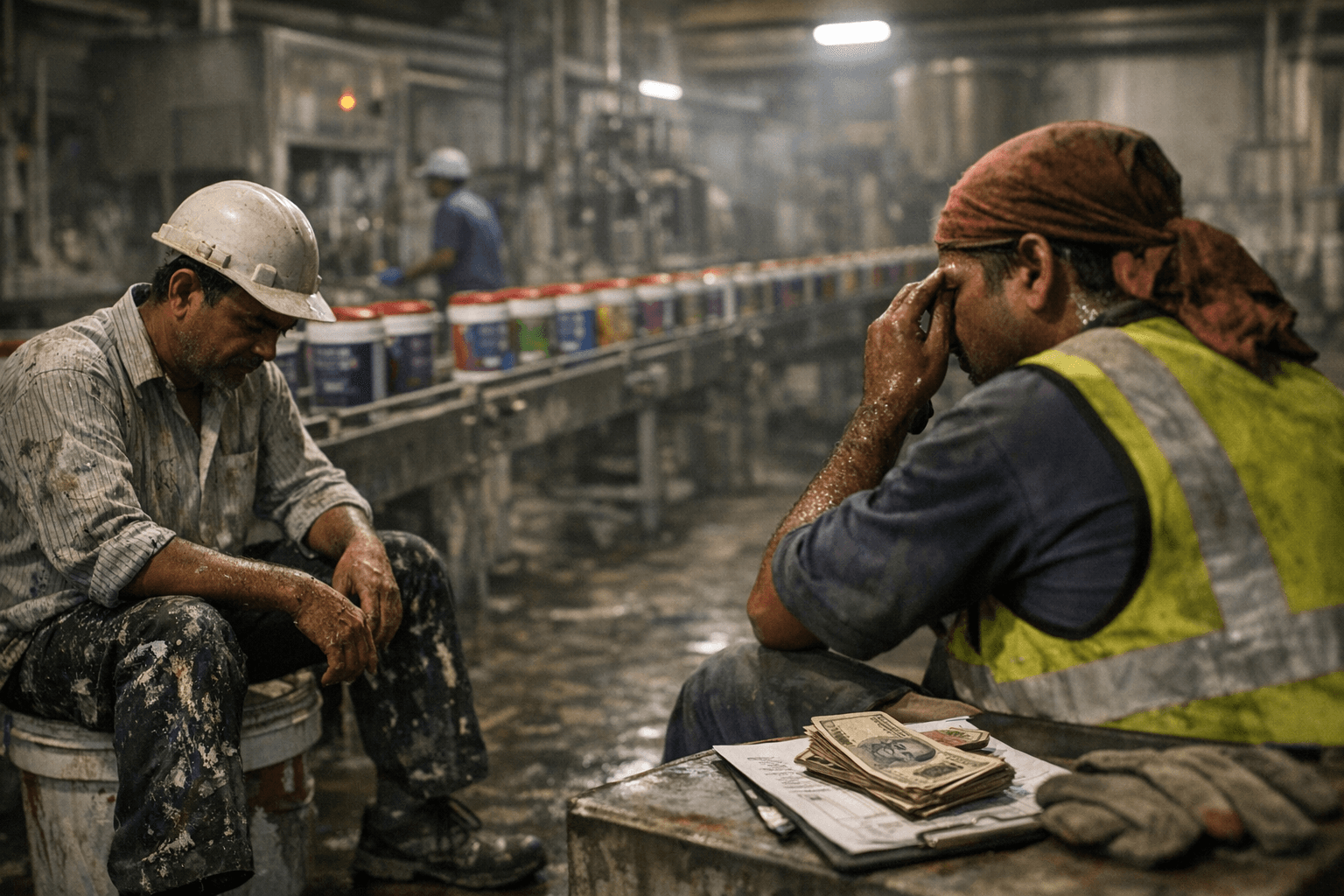
Asian Paints, India's largest paint maker, reported a consolidated net profit of 10.6 billion rupees for the quarter ended December 31, 2025, marking a surprise decline driven by a one-time charge tied to recent Indian labour law changes. The exceptional accounting item erased much of the upside from robust volume gains in the decorative paints business, the company said.
The result underscores a growing tension between demand-led expansion and transitional compliance costs as firms adapt to updated regulatory requirements. Decorative paints continued to show healthy volume growth, a sign that household demand and retail traction remain strong for the sector. That underlying operational strength was not enough to offset the non-recurring expense recorded in the quarter, producing an unexpected earnings setback for investors.
The one-time charge is connected to adjustments required under new labour statutes that were enacted to enhance worker protections and formalize employment relationships. For corporates, those rules can trigger immediate accounting impacts as companies reclassify work arrangements, recognize additional liabilities or incur severance and transition costs. While such items are typically non-recurring, they can materially alter quarterly profitability and make short-term comparisons with prior periods challenging.
From a market perspective, the episode highlights two implications for Asian Paints and its peers. First, analysts and portfolio managers will parse balance sheets more closely to separate recurring operating margins from transitional or compliance-related items. Second, sector-wide adoption of similar accounting adjustments could produce a string of headline-grabbing profit drops across consumer and industrial firms even as volumes and revenue expand, complicating near-term earnings visibility.
For policy makers and economists, the case illustrates a predictable trade-off when strengthening labor protections: an immediate rise in compliance costs followed by potential long-term benefits in workforce stability and consumer purchasing power. If higher formalization increases wages or social benefits, households may eventually see stronger consumption, which could bolster demand for consumer goods such as paints. However, the timing and distribution of these gains are uncertain and will vary by industry and employer size.
Asian Paints occupies a dominant position in India’s paints market, and its underlying volume performance suggests the company remains well placed to benefit from structural growth in housing, renovation and tier-two and tier-three urbanization. The accounting charge does not necessarily alter the firm’s long-term demand trajectory, but it does raise questions about near-term margin recovery and how the company will allocate capital between compliance investments, pricing strategy and growth initiatives.
Investors will be watching the company’s forthcoming commentary and quarterly disclosures to determine whether similar charges are likely to recur and to assess the pace at which operating margins can normalize. For now, the result is a reminder that regulatory shifts can produce significant earnings volatility even amid healthy top-line dynamics, and that parsing headline profit figures requires careful attention to one-time items and policy-driven adjustments.
This article was produced by Prism’s automated news system from verified source data, official records, and press releases, then run through automated quality and moderation checks before publishing. The system is built and supervised by the people who set the standards it runs under. Read our full AI policy.
Did this article answer your question?

