Asian stocks climb toward records as AI optimism lifts chipmakers
Asian equity benchmarks near record highs as renewed AI investment lifts tech and semiconductor names; stronger U.S. data keeps the dollar firm and trims near-term rate cut bets.
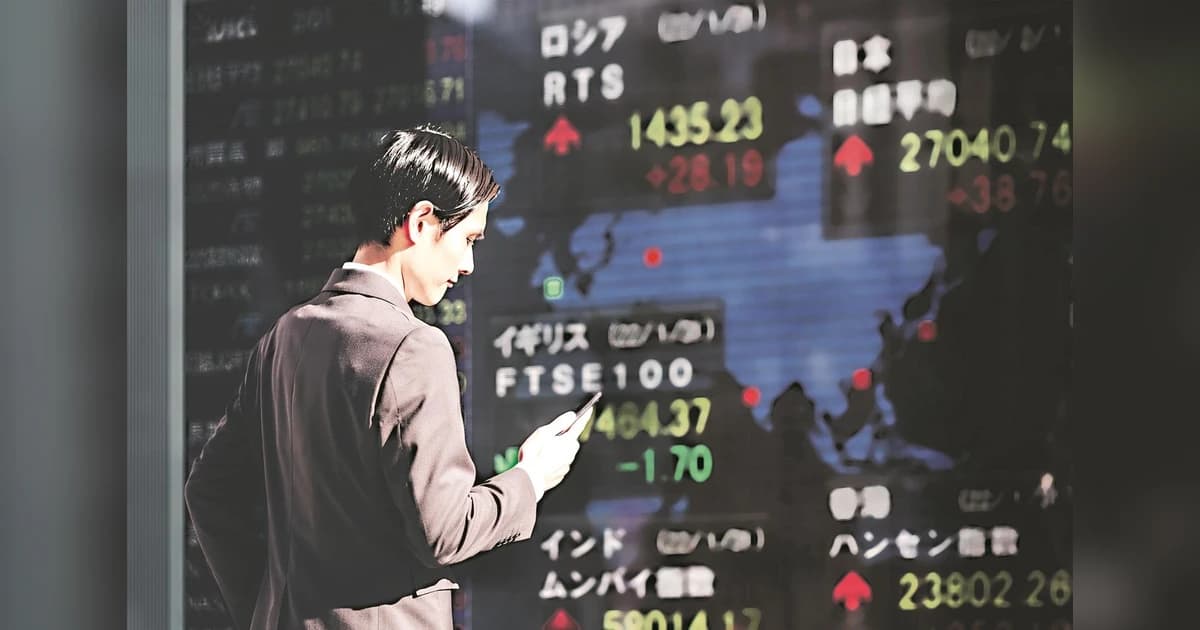
Asian equity markets pushed toward record territory as a wave of renewed optimism about artificial intelligence investment drove flows into technology and semiconductor stocks, even as stronger-than-expected U.S. economic data kept the dollar elevated and tempered bets on imminent Federal Reserve rate cuts.
The rally was led by Taiwan, where the benchmark surged as much as 3.2% to a record 30,339 points after Taiwan Semiconductor Manufacturing Co. posted earnings that revived investor enthusiasm for the AI trade. TSMC itself jumped roughly 7% to a lifetime high, drawing significant inflows that spilled into regional semiconductor names. South Korea’s market and Taiwan’s index each rose more than 3% to fresh highs, while Singapore’s STI and Indonesia’s benchmark also advanced and hit records, buoyed in part by strength in top banks and local technology names.
Taken together, Asia-Pacific benchmarks rose about 0.4–0.5%, keeping most indexes close to or at historic peaks and setting up the region for a fourth consecutive weekly gain. Emerging-market Asia levels reached marks last seen in early 2021, with several ASEAN indices at multi-year highs. ETFs that track chipmakers and semiconductors also saw notable gains, underscoring a broad rotation into hardware exposed to data-center and AI demand.
Two developments reinforced the market mood. TSMC’s robust results eased worries about the sustainability of data-center spending and encouraged investors to reweight into parts of the market perceived as direct beneficiaries of AI-capex cycles. Separately, the United States and Taiwan agreed on a trade pact that reduces tariffs on many Taiwanese semiconductor exports and channels new investment toward U.S. technology facilities, a deal that is likely to reshape supply-chain economics and has geopolitical ramifications given tensions with China.
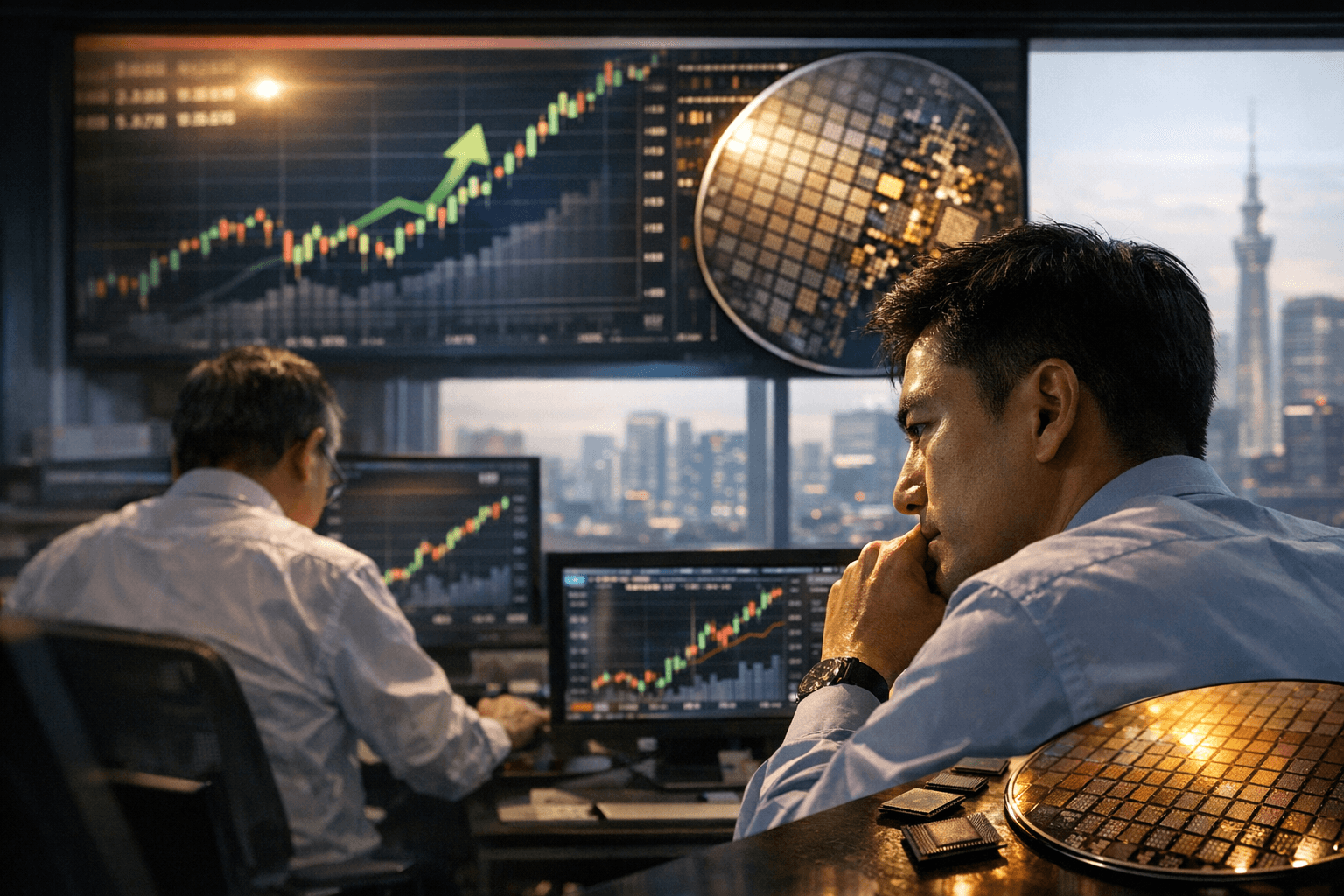
At the same time, upbeat U.S. labor-market and economic indicators tightened expectations for the Fed’s policy path. Initial jobless claims fell unexpectedly, prompting traders to pare back bets on near-term rate cuts and keeping the dollar near a six-week high; the dollar index hovered around 99.4. That firmness in the currency helped drive modest shifts in global futures, with U.S. equity futures posting small gains while European futures were mixed.
Technical signals flagged potential caution. The relative strength index for Taiwan and South Korea moved past the 70 threshold commonly interpreted as overbought, suggesting momentum could face a short-term pullback. Market strategists also noted a subtle shift in investor calculus: while U.S. AI capital expenditure is still expected to support Asian tech, attention is moving from sheer scale of spending to the quality of returns and the bottlenecks, such as power, networking and memory, that can stretch hardware cycles.
Commodity and fixed-income markets showed muted reactions: oil prices were softer after recent declines, precious metals eased, and U.S. 10-year Treasury yields sat near 4.16%. For investors, the near-term outlook will hinge on follow-through in TSMC and other AI-exposed names, continued fund flows into Asia tech and semiconductors, and subsequent U.S. data and Fed commentary that could tilt the dollar and risk appetite.
This article was produced by Prism’s automated news system from verified source data, official records, and press releases, then run through automated quality and moderation checks before publishing. The system is built and supervised by the people who set the standards it runs under. Read our full AI policy.
Did this article answer your question?