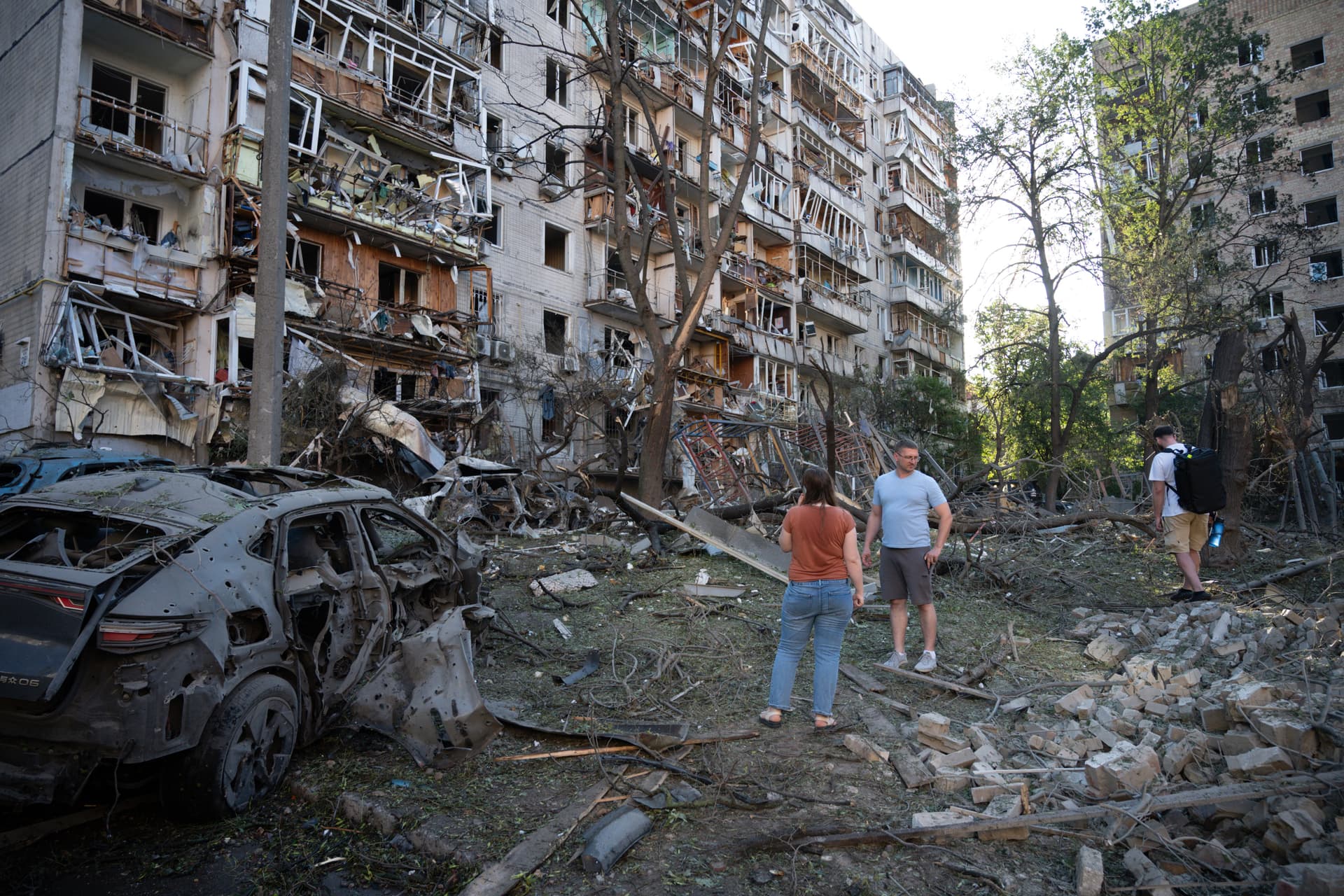
Asia's Energy Crisis From Iran War Rivals 1970s Oil Shocks
Gas cremations banned in Pune, Wednesdays declared holidays in Sri Lanka: the Iran war's Strait of Hormuz closure is hitting Asia harder than any oil shock since 1973.
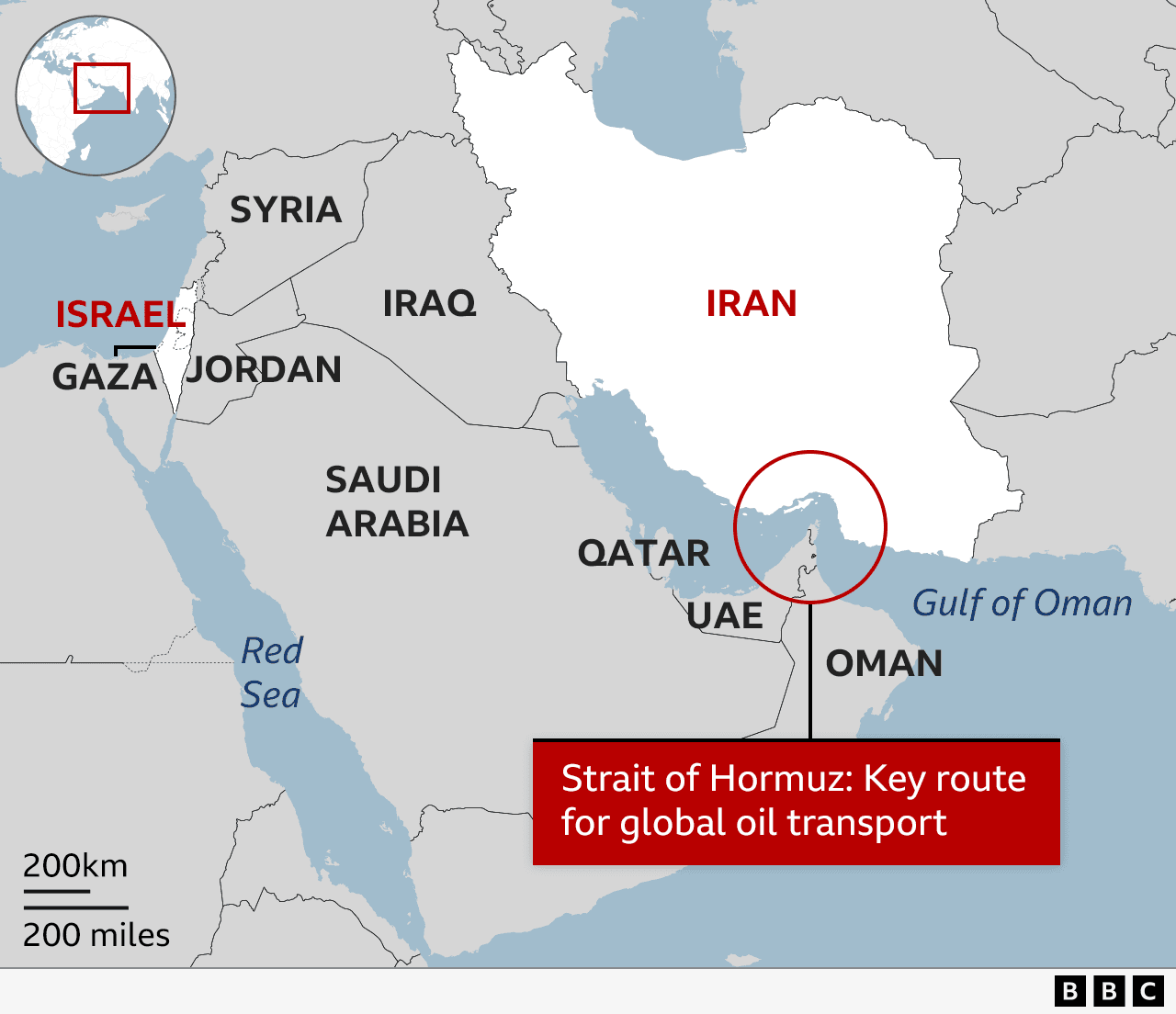
The war began on February 28, when the United States and Israel conducted airstrikes on Iranian military targets, including the assassination of Supreme Leader Ali Khamenei. Iran responded by closing the Strait of Hormuz to all foreign shipping, with its Islamic Revolutionary Guard Corps transmitting warnings via VHF radio: "no ship is allowed to pass the Strait of Hormuz." The consequences, felt most acutely across Asia, are now rewriting the history of global energy crises.
The world is facing a worse energy crisis than the twin oil shocks of the 1970s and the fallout of the Ukraine war combined, IEA Executive Director Fatih Birol warned, saying the energy crunch prompted by the U.S.-Israel war on Iran exceeded the 1973 and 1979 oil shocks and the gas shortages from Russia's 2022 invasion of Ukraine put together. The numbers bear that out. The 1973 oil embargo removed 4.5 million barrels per day from global supply; today, the closure of the Strait of Hormuz is stopping 20 million.
While Americans are hit with high gasoline prices like almost everyone else, the United States is cushioned from the risk of running out of oil because it produces enough energy to meet its own needs. Asia is not. In 2024, the U.S. Energy Information Administration estimated, Asia received more than 80% of the oil and liquefied natural gas shipped through the Strait of Hormuz. In 1973, the shock was concentrated on Western economies, which were the primary targets. In 2026, the most vulnerable economies are the developing Asian markets that have grown fastest over the past 30 years and about 80 percent of whose oil imports pass through the Strait of Hormuz.
The human cost is immediate and granular. In South Korea, the government asked citizens to take shorter showers and run washing machines on weekends only. In Nepal, families are eating dinner cold due to an acute shortage of cooking gas. In Pune, India, gas cremations cannot be held because, as one report put it, gas is being rationed for the living. Over 40 percent of gas stations in Laos have closed. Thai public servants have been ordered to take the stairs rather than elevators. Sri Lanka declared Wednesdays a public holiday, forcing factories, shops, and schools to shut each week.
Political unrest followed close behind. In the Philippines, transport federation Manibela, whose name is Tagalog for "steering wheel," called for a two-day nationwide strike to protest rising fuel prices for jeepney drivers. India's Prime Minister Narendra Modi warned of tough days ahead after protests broke out over shortages of cooking gas and fears there won't be enough fertilizer for the planting season. The fertilizer concern is not abstract: fertilizer is made primarily from natural gas by-products, and fertilizer from the Gulf cannot reach global markets just as planting season is set to begin in many parts of the world, with some countries in the developing world potentially seeing a 50% reduction in their harvest compared with prior years. Indonesia's government has deployed gasoline subsidies to insulate consumers from prices that surged sharply this month, though analysts warn those subsidies are not sustainable.
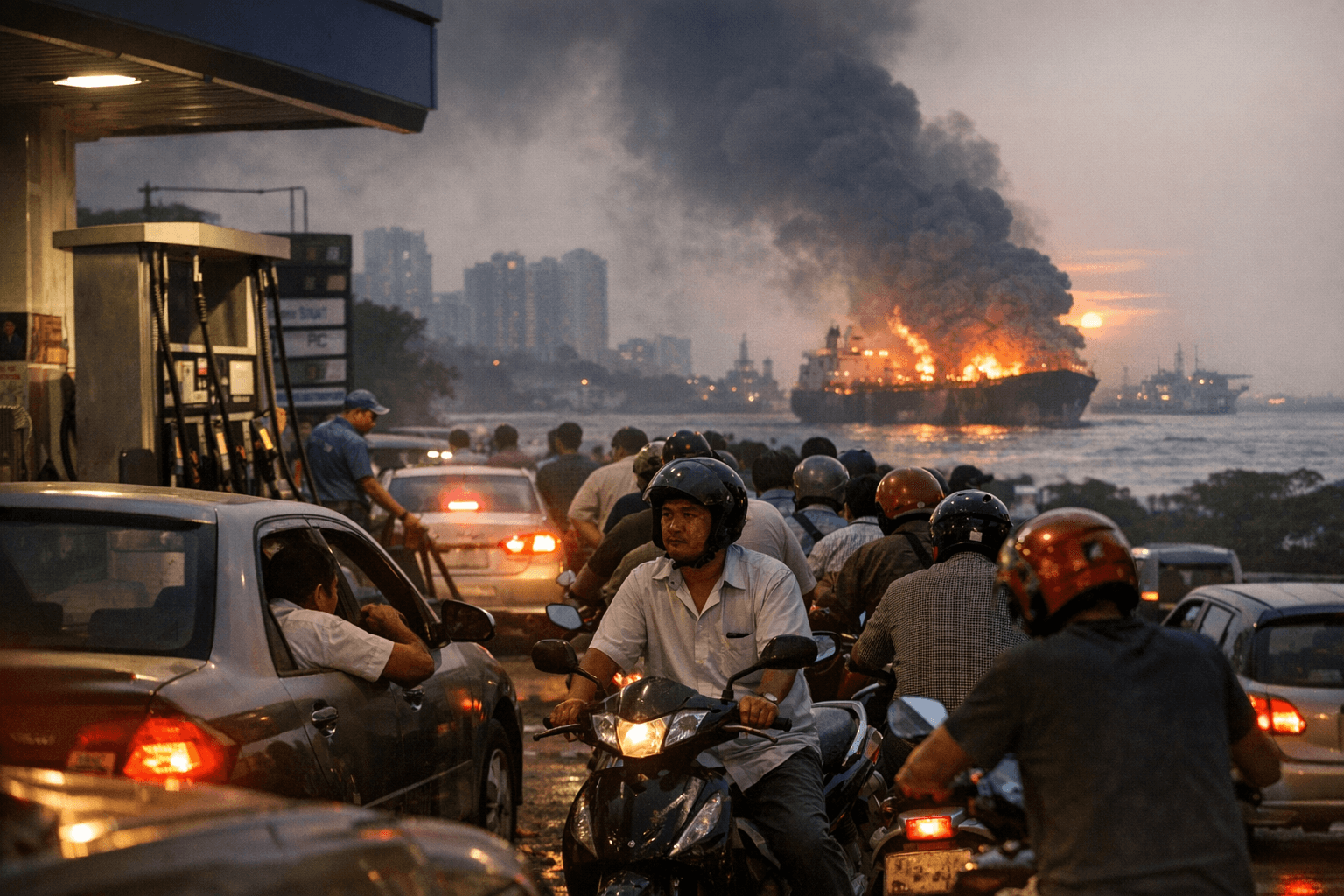
Even with oil price declines following tentative diplomatic signals, crude prices remain more than a third higher than they were before the United States and Israel attacked Iran on February 28. President Trump eased sanctions on both Russia and Iran in an effort to hold down prices, but the measures have not significantly reversed the surge. The Trump administration also attempted to ease pressure by releasing oil from strategic reserves and lifting sanctions on Russian exports, but these measures have not significantly lowered prices so far.
A recent internal assessment from the Defense Intelligence Agency determined that Iran could potentially keep the passage shut for anywhere from one to six months. The 400 million barrel IEA reserve release will compensate for about 20 days of oil flow through the Strait of Hormuz but will take months to implement fully, and even deployed at maximum scale, the emergency architecture built in direct response to the 1973 embargo cannot cover a sustained closure of the strait.
On Monday, Trump shifted tone, posting that he was pausing planned strikes for five days following what he described as "very good and productive conversations" with representatives of Iran. Markets welcomed the signal. Whether it translates into an open strait is a question Asian households, from Manila jeepney drivers to Pune funeral directors, are waiting to have answered in their daily lives.
This article was produced by Prism’s automated news system from verified source data, official records, and press releases, then run through automated quality and moderation checks before publishing. The system is built and supervised by the people who set the standards it runs under. Read our full AI policy.
Did this article answer your question?