ASML surges past $500 billion as TSMC lifts 2026 capex target
ASML tops $500 billion after TSMC raises 2026 capex, signaling stronger AI chip investment but elevating valuation and policy risks.
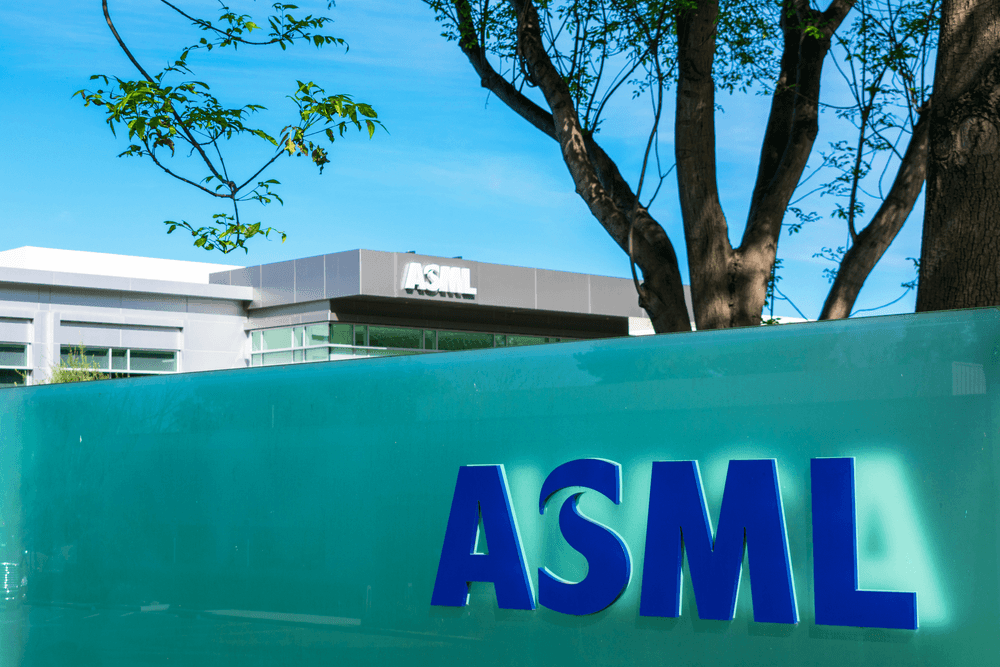
Shares of ASML Holding NV surged about 7.6% in Amsterdam on Thursday, driving the Dutch lithography specialist to an all-time high and pushing its market capitalisation past the $500 billion mark after Taiwan Semiconductor Manufacturing Co. raised its 2026 capital expenditure outlook. The move reflects renewed investor conviction that AI-driven demand for cutting-edge chips will sustain an elevated round of factory investment.
TSMC’s fourth-quarter results and guidance were the immediate catalyst. The foundry reported roughly $33.7 billion in fourth-quarter revenue and net profit for Oct.–Dec. of about NT$506 billion (roughly $16 billion), with year‑over‑year profit and revenue increases widely cited. Management raised planned 2026 capex to a range of $52 billion–$56 billion, with market attention gravitating to the top end of that range. TSMC also signalled strong full-year revenue growth expectations tied to continued demand for advanced nodes in AI accelerators.
The linkage to ASML is direct. ASML is the primary supplier of extreme-ultraviolet lithography systems required for the most advanced process nodes that TSMC is expanding, with an estimated market share in lithography of roughly 90%. Investors read TSMC’s higher capex as a near-term guarantee of order flow for ASML, which supplies the EUV machines essential to 3nm-class and successor production. The rally extended into U.S. premarket trading, where ASML saw gains in the order of 5%–7% on Nasdaq venues.
Market snapshots from the session varied by venue and currency conversion. One intraday peak for ASML shares reached €1,167, translating to an approximate market value of €443 billion (about $515 billion) at that moment; other data snapshots recorded valuations near $490.5 billion, reflecting intraday and cross-market variance. Analysts and market commentators noted the stock’s sharp run-up, about a 74% climb over the prior 120 days in some measures, and flagged a pronounced valuation premium, with one assessment pointing to a $47.5 P/E premium relative to peers.
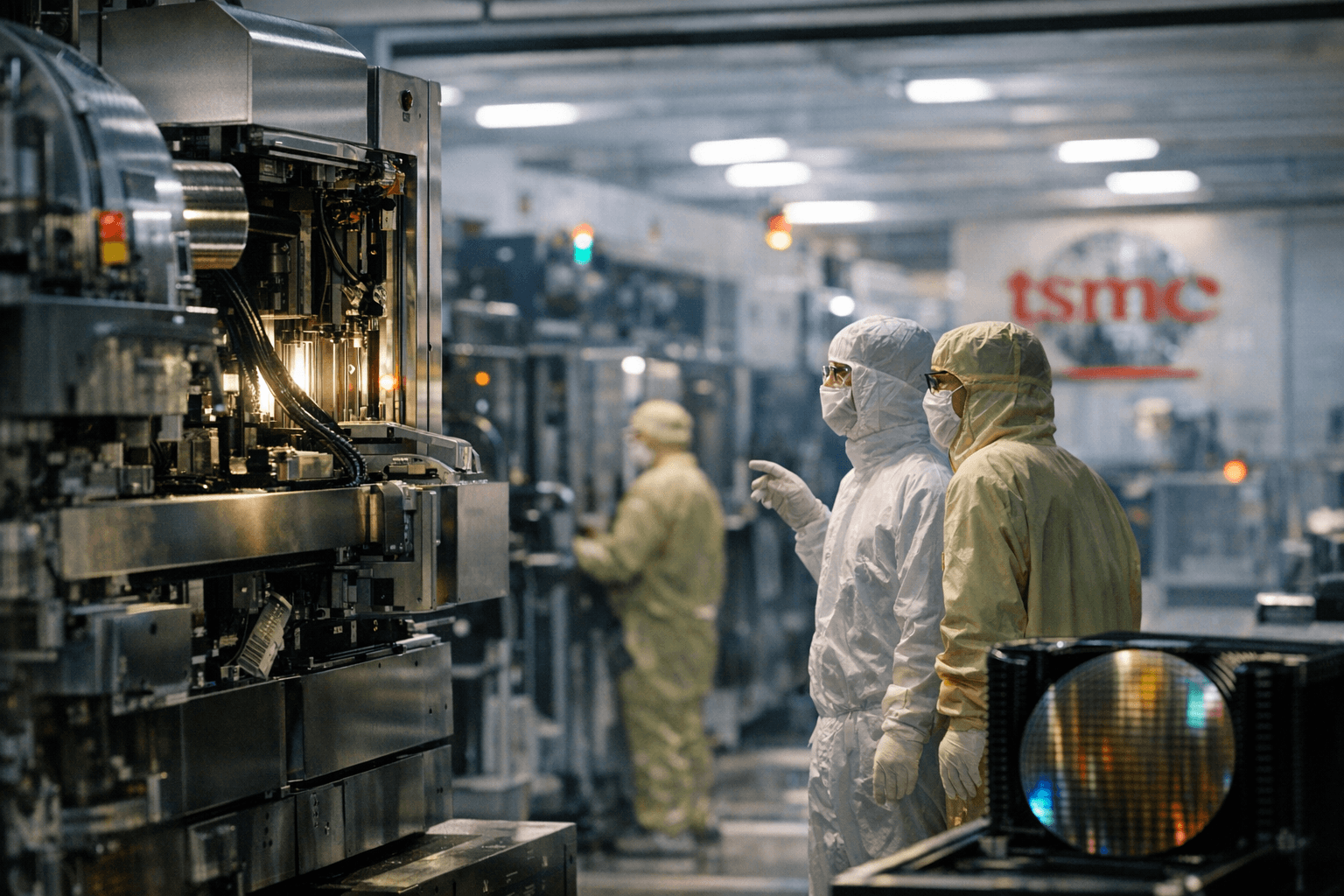
The milestone underscores both opportunity and risk. On the upside, a sustained AI investment cycle could lengthen semiconductor expansion and lift suppliers across the capital goods chain. Higher capex tends to have a multiplier effect: more fabs, more tools, and more recurring service revenue for equipment vendors. On the downside, several near-term vulnerabilities could curtail upside. Market watchers pointed to the potential for slower-than-expected end-market demand, delays in customers’ node roadmaps such as timing around TSMC’s N2P node, and new policy levers including proposed 25% semiconductor tariffs that could reshape investment economics. Geopolitical and China-related frictions remain an overarching risk that could affect both order timing and supply-chain access.
Investors will also be watching ASML’s own disclosures: the company is scheduled to publish full 2025 results on Jan. 28, when management commentary on order books, lead times and regional exposure will test whether the recent sentiment-driven rally has underlying operational momentum. For now, the market has priced in a large slice of the AI‑led capex narrative; the next two weeks of earnings and guidance will determine whether that optimism is rewarded or reassessed.
This article was produced by Prism’s automated news system from verified source data, official records, and press releases, then run through automated quality and moderation checks before publishing. The system is built and supervised by the people who set the standards it runs under. Read our full AI policy.
Did this article answer your question?

