Assam students protest rising food and fuel prices statewide
Students marched across Assam as petrol averaged Rs 102.86 a litre, turning inflation into a statewide political warning.

Student activists swept across Assam on May 22, turning rising food, fuel and consumer prices into a statewide protest that reached beyond campus politics and into the daily economics of households. In Nagaon district, demonstrators targeted the pinch felt at the market and the pump, while in Guwahati hundreds marched from Swahid Nyas toward Latasil Field carrying placards and raising slogans against both the state and central governments.
The All Assam Students Union had said on May 20 that it would launch statewide protest marches against rising prices of essential commodities, and the action followed through across several districts rather than staying confined to one town. Utpal Sarma, who was elected AASU president in November 2023, said the marches were intended to demand lower prices, underscoring how the union was framing inflation as a failure of governance as much as an economic burden. Shankar Jyoti Baruah, who was re-elected general secretary, remained part of the movement’s visible leadership structure.

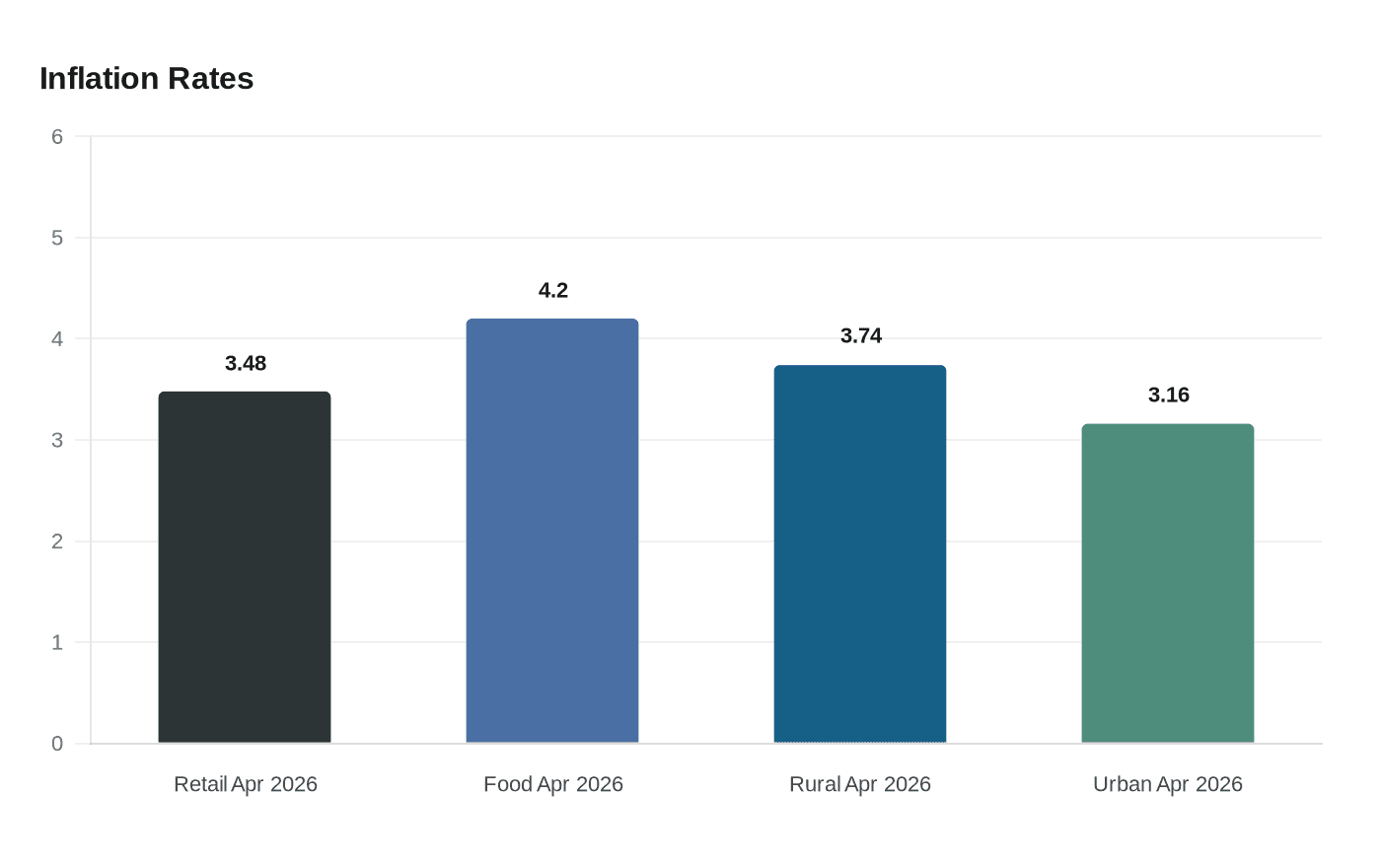
The timing made the protest especially pointed. India’s retail inflation stood at 3.48% in April 2026, up from 3.40% in March, while food inflation was 4.20%. Rural inflation was 3.74% and urban inflation was 3.16%, a gap that helps explain why price pressure can hit Assam’s smaller towns and villages with particular force. Fuel added to the anger: one Assam price tracker showed average petrol at Rs 102.86 per litre on May 22, up from Rs 98.83 at the end of April, a monthly rise of 3.92%. In a state where transport costs feed quickly into food and consumer prices, that kind of jump does not stay at the pump for long.
AASU’s political weight gives the demonstrations added force. The union was one of the leading organizations in the Assam Movement from 1979 to 1985, and it played a central role in the Assam Accord signed on August 15, 1985 by representatives of the Government of India, the Assam government and AASU leaders. That history still shapes how price protests are read in Assam: not just as a complaint about groceries, but as a broader test of whether authorities can keep everyday life affordable.
Chief Minister Himanta Biswa Sarma said on May 18 that the government was closely monitoring market prices and would not allow unfair price rises. The protests suggested that, for many students and families, those assurances were not enough to contain the immediate squeeze now driving street politics across Assam.
Know something we missed? Have a correction or additional information?
Submit a Tip