Bipartisan backlash grows over Trump’s $1.776 billion anti-weaponization fund
A $1.776 billion DOJ fund tied to Trump’s IRS settlement triggered a rare bipartisan revolt, with lawmakers warning of an unexplained slush fund.
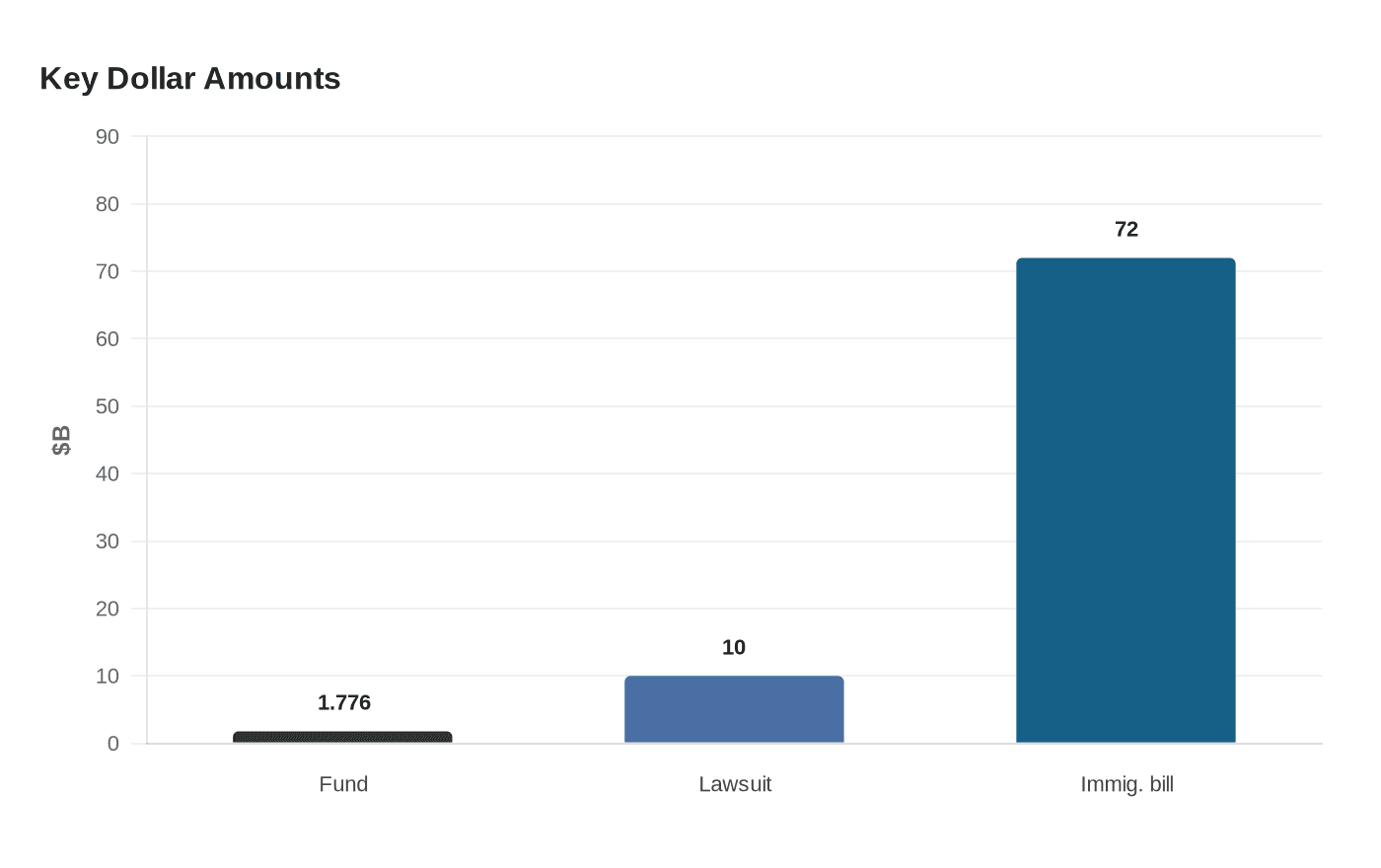
A new $1.776 billion Justice Department fund meant to compensate allies who say they were unfairly targeted has become a bipartisan flashpoint, with Republicans and Democrats joining forces to question how it was created, who could collect, and whether the president can steer leftover money to another federal account of his choosing.
The backlash intensified after the Justice Department announced the Anti-Weaponization Fund on May 18, following Donald Trump, Donald Trump Jr., Eric Trump and the Trump Organization’s decision to drop a $10 billion lawsuit against the Internal Revenue Service over leaked tax records. The settlement is financed through the federal Judgment Fund, and the document says claims stop no later than December 15, 2028. Any balance remaining after that date would be transferred before January 1, 2029, to another federal account designated by the president.
That structure has fueled the central corruption concern: the administration has not publicly disclosed the criteria for claims or any cap on payouts. Acting Attorney General Todd Blanche also would not rule out payments to people involved in violent Jan. 6 conduct, including pardoned rioters, deepening suspicion that the fund could become a vehicle for rewarding political loyalty rather than redressing genuine harm.
The political break has been unusually broad. Rep. Brian Fitzpatrick, a Pennsylvania Republican, and Rep. Tom Suozzi, a New York Democrat, drafted bipartisan legislation aimed at killing the fund. Fitzpatrick said his constituents did not want a Justice Department “slush fund” that had not been explained, and he was still waiting for answers from Blanche. The opposition is especially significant on Long Island, where lawmakers from both parties have joined the criticism instead of falling in line behind Trump.
The fund has already drawn a legal challenge. Retired U.S. Capitol Police officer Harry Dunn and Metropolitan Police Department officer Daniel Hodges filed suit on May 20 seeking to block the program and undo any transfers already made. Their complaint argues the fund would reward people who committed violence during the Jan. 6, 2021, attack on the Capitol.
The fight is now spreading beyond the fund itself and into Congress’s broader power struggle with the White House. Republican resistance has escalated into a larger confrontation that delayed work on a $72 billion immigration-enforcement bill, showing that the issue is no longer just the size of the fund but the precedent it sets for presidential control over federal money, punishment and political grievance.
Know something we missed? Have a correction or additional information?
Submit a Tip