Assisted dying bill runs out of time after Commons approval, Lords delays
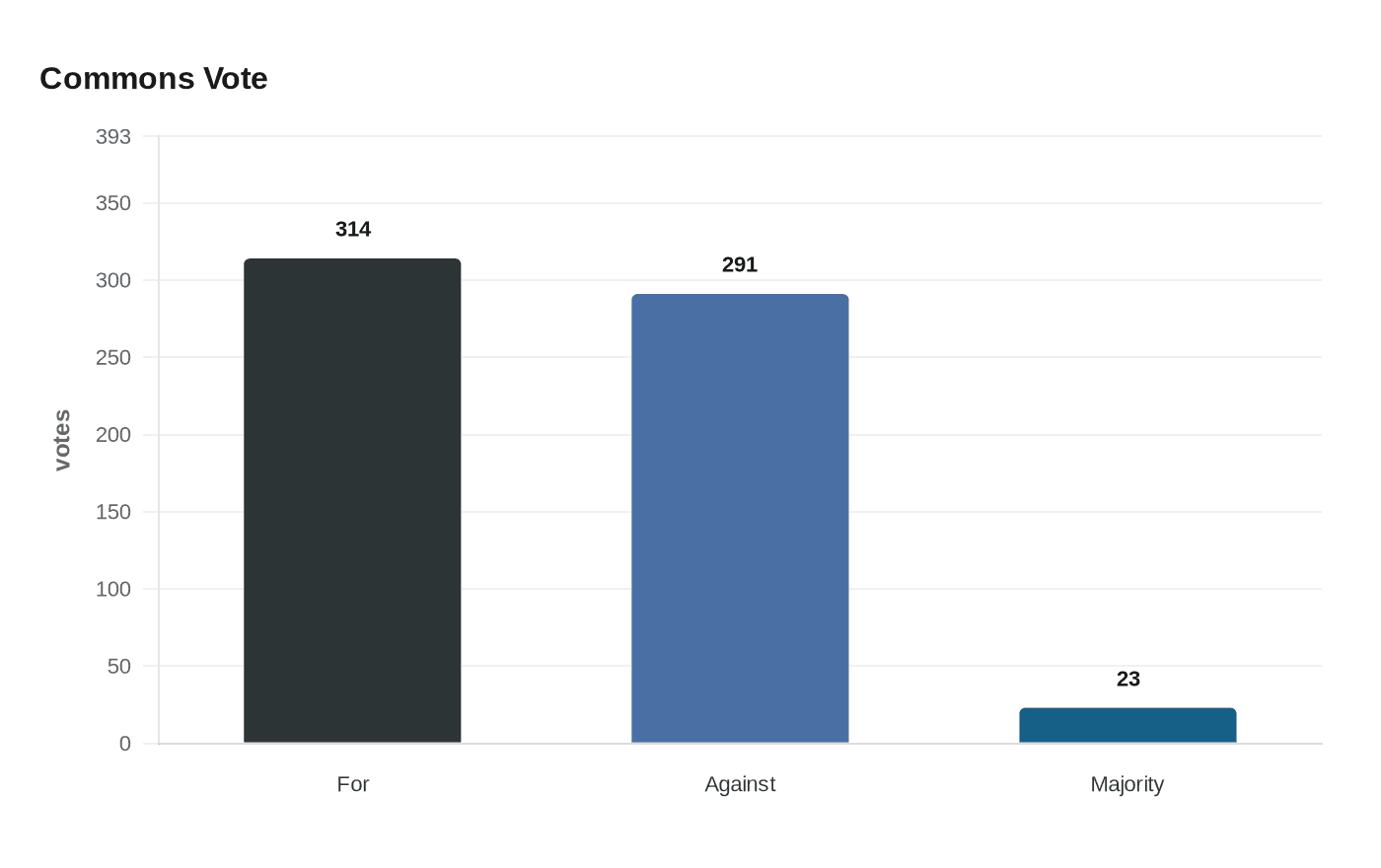
The bill cleared the Commons by 314 votes to 291, then stalled in the Lords. With no carry-over for a Private Members’ Bill, its backers now face a new race to revive it.

A bill that once had the backing of the House of Commons has now run out of parliamentary time, leaving assisted dying supporters to regroup after months of wrangling, procedural change and delay. The Terminally Ill Adults (End of Life) Bill, which would let terminally ill adults in England and Wales who are reasonably expected to die within six months seek help to end their own life, has not become law.
The legislation was introduced in the Commons on 16 October 2024 by Kim Leadbeater, the Labour MP for Spen Valley, and cleared its third reading on 20 June 2025 by 314 votes to 291, a majority of 23. That result followed more than 100 hours of Commons scrutiny and one of the most intensely contested social policy battles in recent Westminster memory. In committee, MPs removed the original requirement for High Court judge approval and replaced it with a proposed assisted dying commissioner model, a change that sharpened arguments over safeguards.
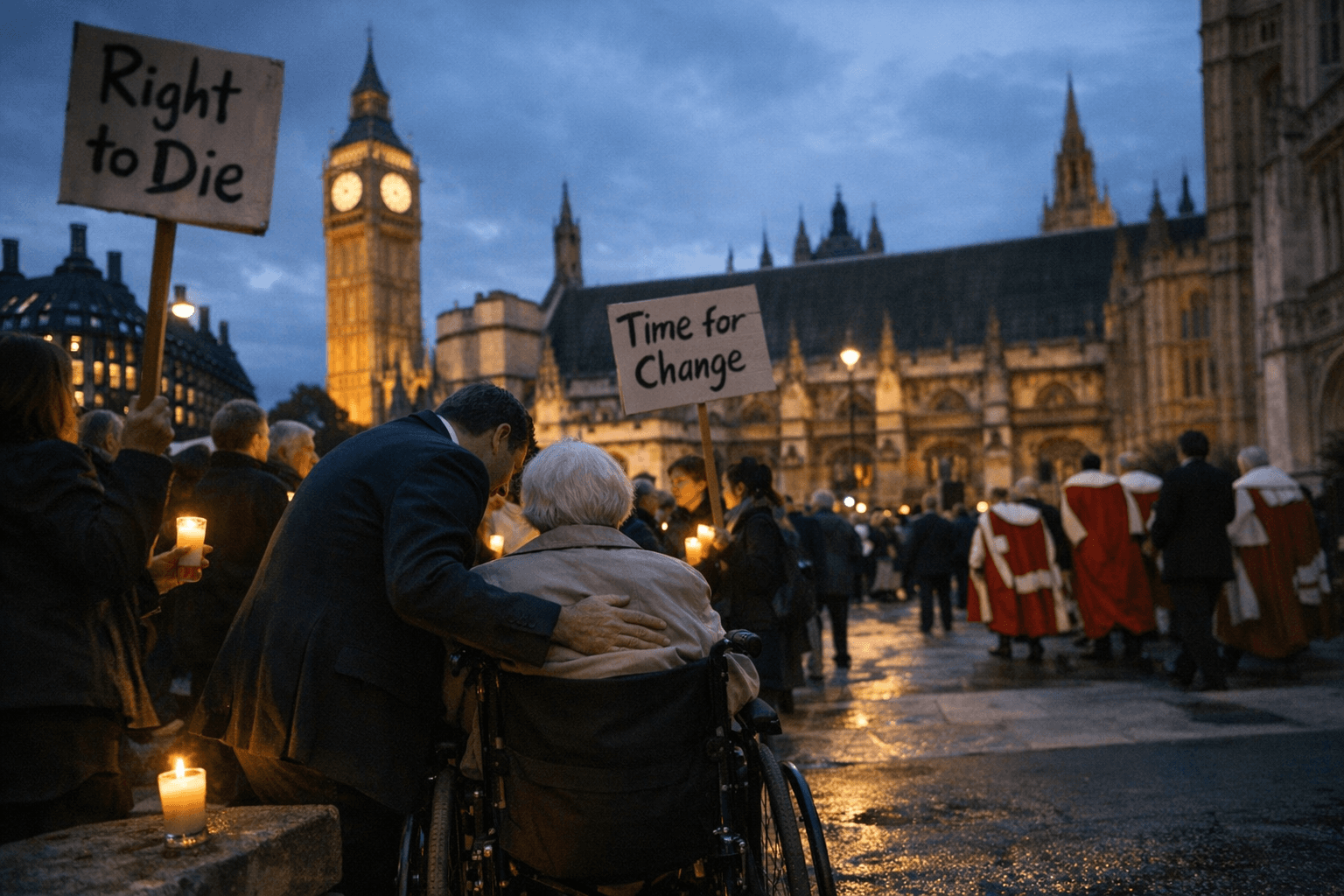
The bill then moved to the House of Lords on 23 June 2025, where Lord Falconer of Thoroton took it up. But by April 2026 it was still stuck in committee stage, a sign of how much parliamentary time the issue had consumed and how effectively peers had used detailed scrutiny to slow it down. Opponents warned that the revised safeguards were too weak, particularly over prognosis accuracy and the risk of coercion. Supporters said the reforms were necessary to make the law workable and argued the debate marked the biggest potential shift in social policy since abortion was partially legalised in 1967.
The procedural problem is now decisive. Because this was a Private Members’ Bill, it cannot simply be carried over into a new session in the way a government bill can. Its supporters had argued the measure could return, but only through fresh parliamentary action, whether by a new backbench bill or by a government that chose to take up the cause. Keir Starmer’s government remained officially neutral during the passage, leaving the fight to MPs and peers rather than ministerial discipline.
For terminally ill patients and families, the result is immediate and practical: there is still no assisted dying law in England and Wales. The current legal position remains unchanged, even as campaigners on both sides continue to mobilise in Westminster. The issue has not gone away. A similar bill was rejected by the Commons in 2015, the Scottish Parliament has rejected assisted dying, and the Isle of Man and Jersey have backed their own versions, showing that the next battle may be fought in party politics, future legislation or fresh legal challenges rather than in this Parliament.
This article was produced by Prism’s automated news system from verified source data, official records, and press releases, then run through automated quality and moderation checks before publishing. The system is built and supervised by the people who set the standards it runs under. Read our full AI policy.
Did this article answer your question?

