AST SpaceMobile delays satellite phone service to early 2027, seeks $1 billion
AST SpaceMobile pushed satellite phone service to early 2027 and plans a $1 billion notes sale after launch setbacks slowed its buildout.
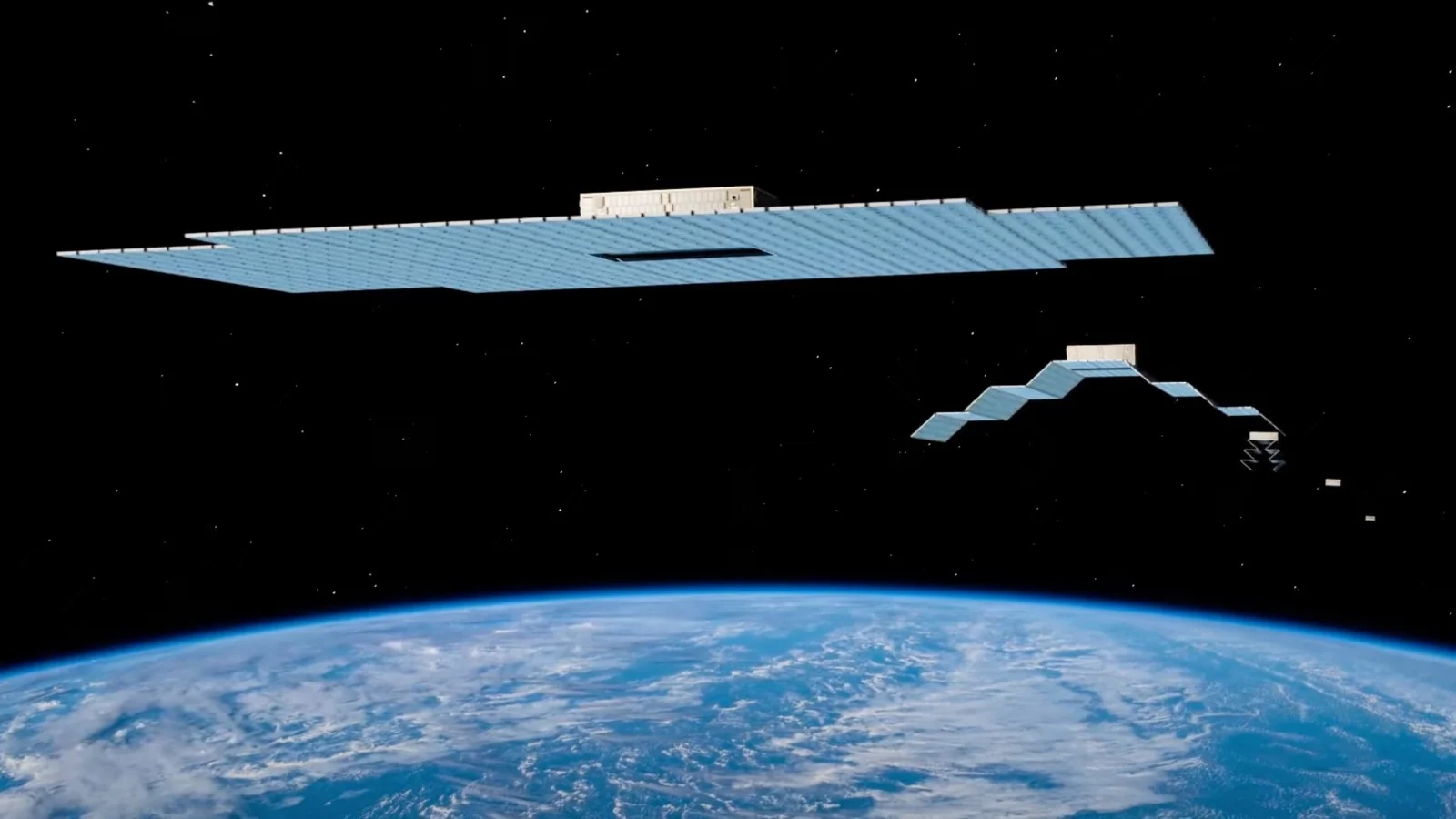
AST SpaceMobile pushed its direct-to-device satellite service target to early 2027 and lined up a $1 billion convertible notes offering due 2034 as rocket-related setbacks kept the network from reaching commercial readiness. The revised timeline shows how hard it remains to turn satellite-to-phone promises into working national telecom infrastructure.
The company had previously been targeting early 2026 for intermittent nationwide service, with continuous service planned later. That schedule was knocked back after a Blue Origin New Glenn setback and a launch mishap that left an AST BlueBird satellite in the wrong orbit, underscoring how dependent the business is on outside launch providers as much as on its own spacecraft.
AST SpaceMobile says it is building a space-based cellular broadband network and has partnerships with more than 50 mobile operators globally. Its latest financing plan is meant to fund access to launch capacity and growth initiatives, including possible acquisitions, as the company tries to move from engineering milestones to recurring service. The launch bottleneck matters because putting satellites in orbit on time is as critical as building them in the first place.
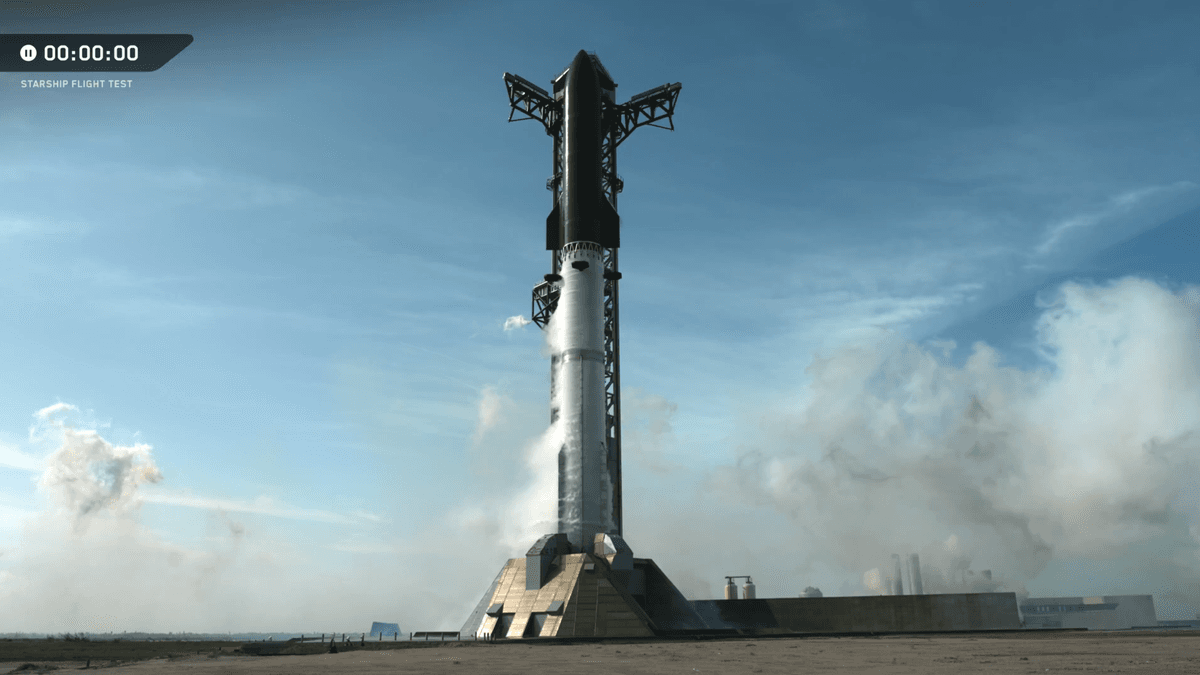
The delay also raises the stakes in a crowded direct-to-device race that includes SpaceX’s Starlink Mobile and direct-to-cell effort. In a market where carriers and investors are watching for proof that satellite links can be delivered at scale, timing has become part of the product. AST SpaceMobile had been pitching intermittent nationwide coverage first, then broader continuous service, but the shift to 2027 suggests that commercial rollout is still tied to launch access, orbital reliability and capital.
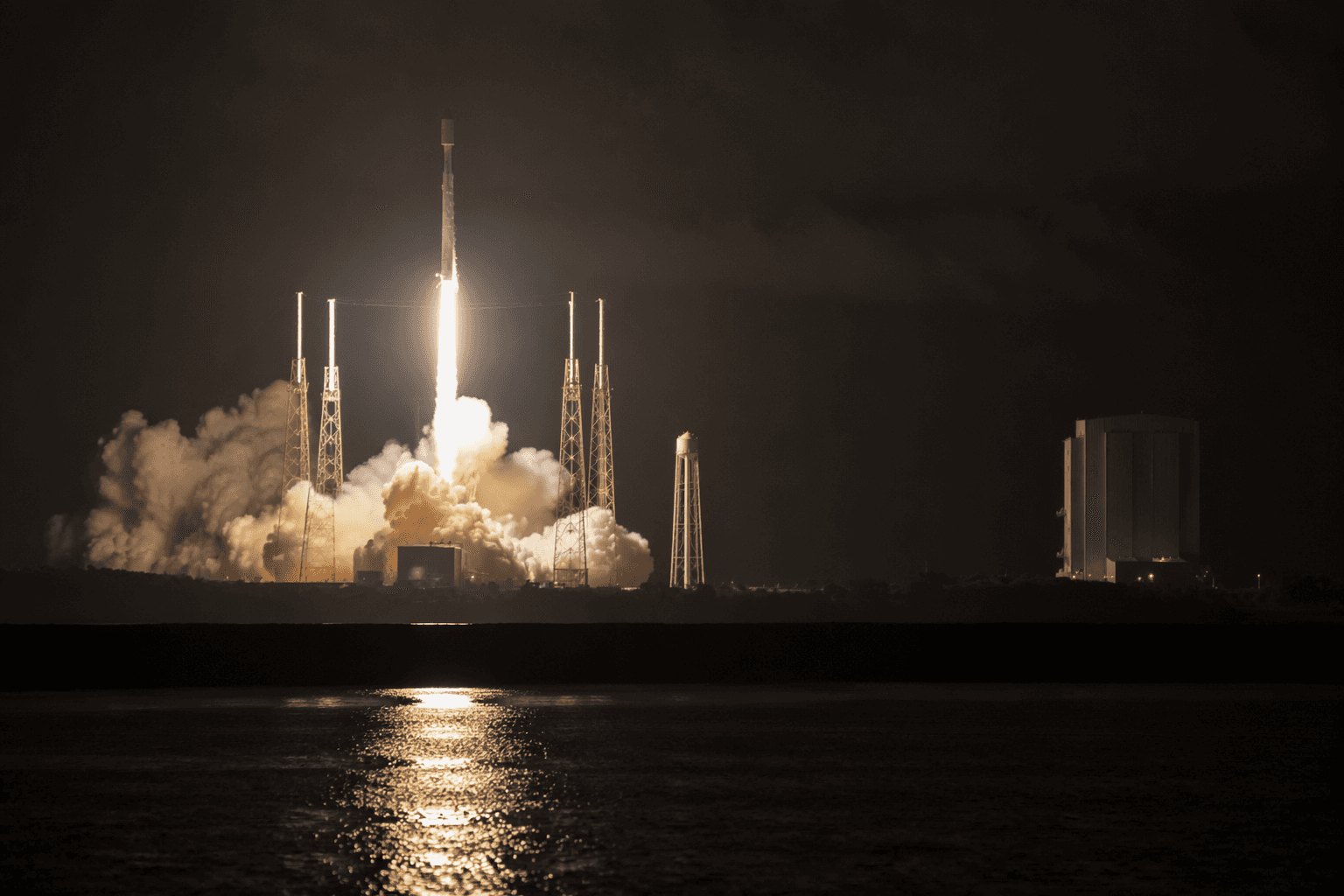
AST SpaceMobile’s buildout is still visible in the field. The company’s journey page says BlueBird 8-10 launched on June 17, 2026, from Cape Canaveral, Florida, aboard a Falcon 9 rocket. Industry reporting has said the company is aiming for 45 to 60 satellites in orbit to support continuous service in the United States, Europe, Japan and other markets, a scale that helps explain why the latest delay matters to customers still waiting for coverage in dead zones.
For consumers in remote areas, on the edge of cellular networks, or in emergency zones, the service remains a promise rather than a product. AST SpaceMobile now has to show that the added time and money can buy enough launch capacity to make that promise credible.
This article was produced by Prism’s automated news system from verified source data, official records, and press releases, then run through automated quality and moderation checks before publishing. The system is built and supervised by the people who set the standards it runs under. Read our full AI policy.
Did this article answer your question?