San Francisco mayor urges stricter Waymo rules after July 4 gridlock
Waymo cars stalled near the Presidio on July 4, some had to be towed after batteries drained, and Mayor Daniel Lurie wants stricter state rules.
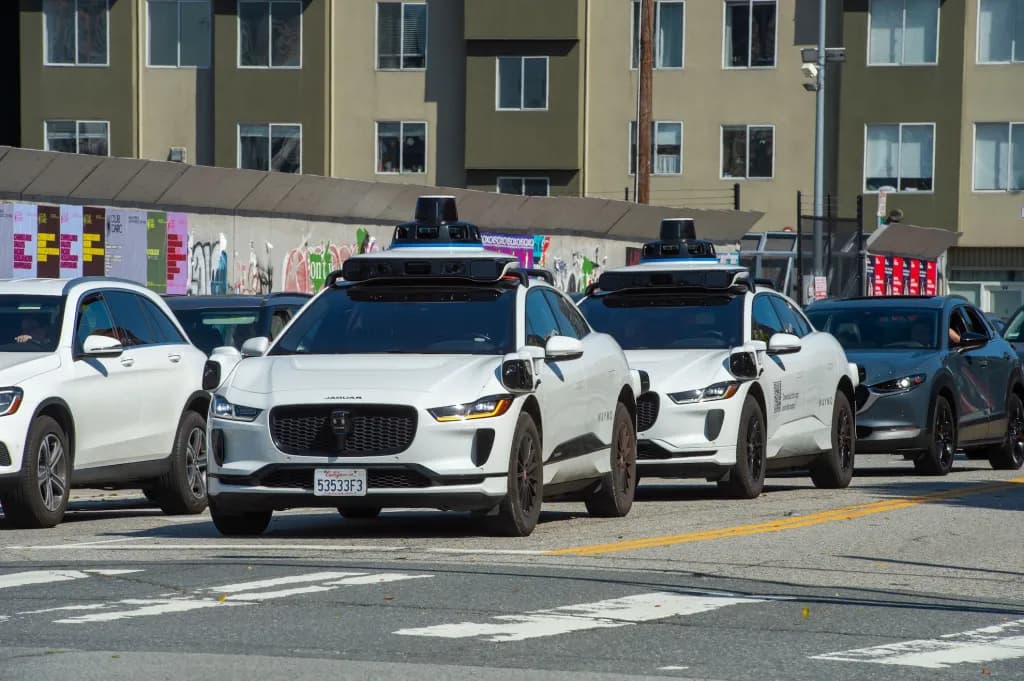
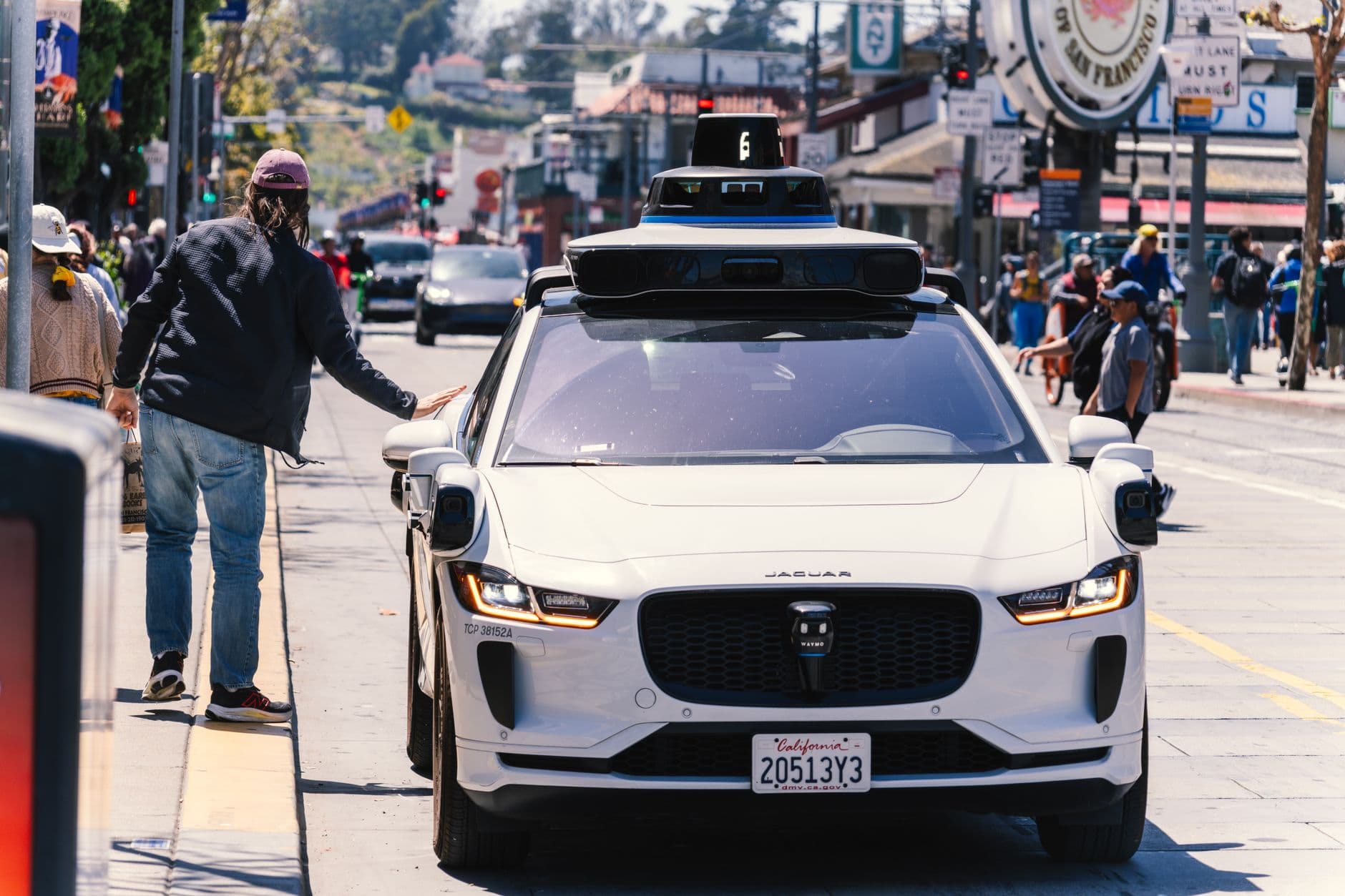
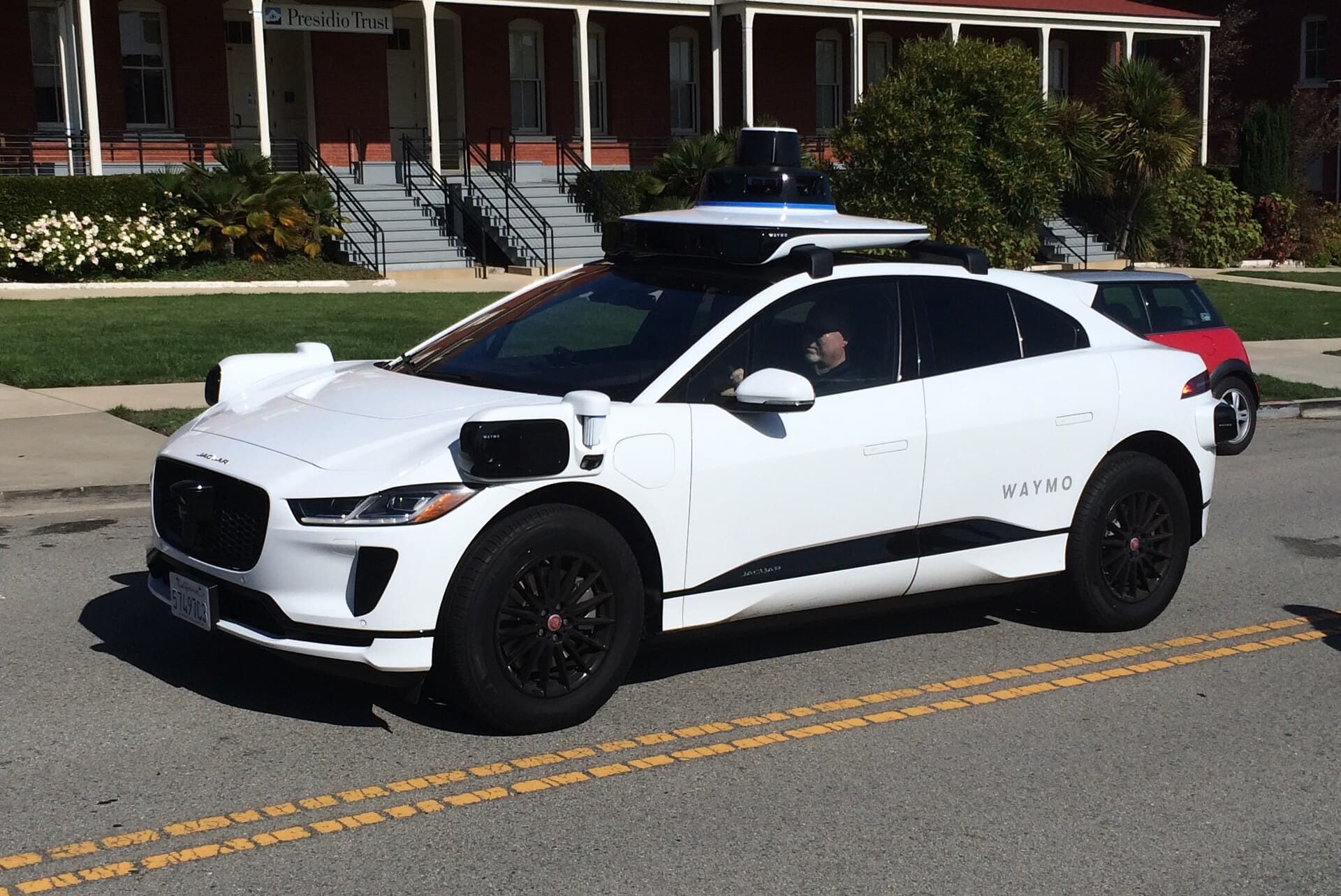
San Francisco Mayor Daniel Lurie urged state regulators to tighten rules for robotaxi operators after Waymo vehicles helped turn the city’s Fourth of July fireworks rush into a gridlock around the Presidio and other streets. Several cars became stranded in traffic, some lost battery power while idling and had to be towed, and Muni shuttles were caught in the same backup. Lurie said he contacted Waymo’s chief executive officer and asked the company to remove its cars from city streets during the outage, calling the transportation problems “unacceptable.”
California’s autonomous-vehicle rules measure deployment and passenger service expansion, not disruption, emergency access or local control. Lurie is now asking state officials to clamp down on Waymo and set new standards for robotaxis during major events, including better communication with the city so officials have a direct line during emergencies or unusual disruptions. San Francisco first responders and members of the San Francisco Board of Supervisors have also raised concerns that autonomous vehicles can block emergency routes and delay response times.
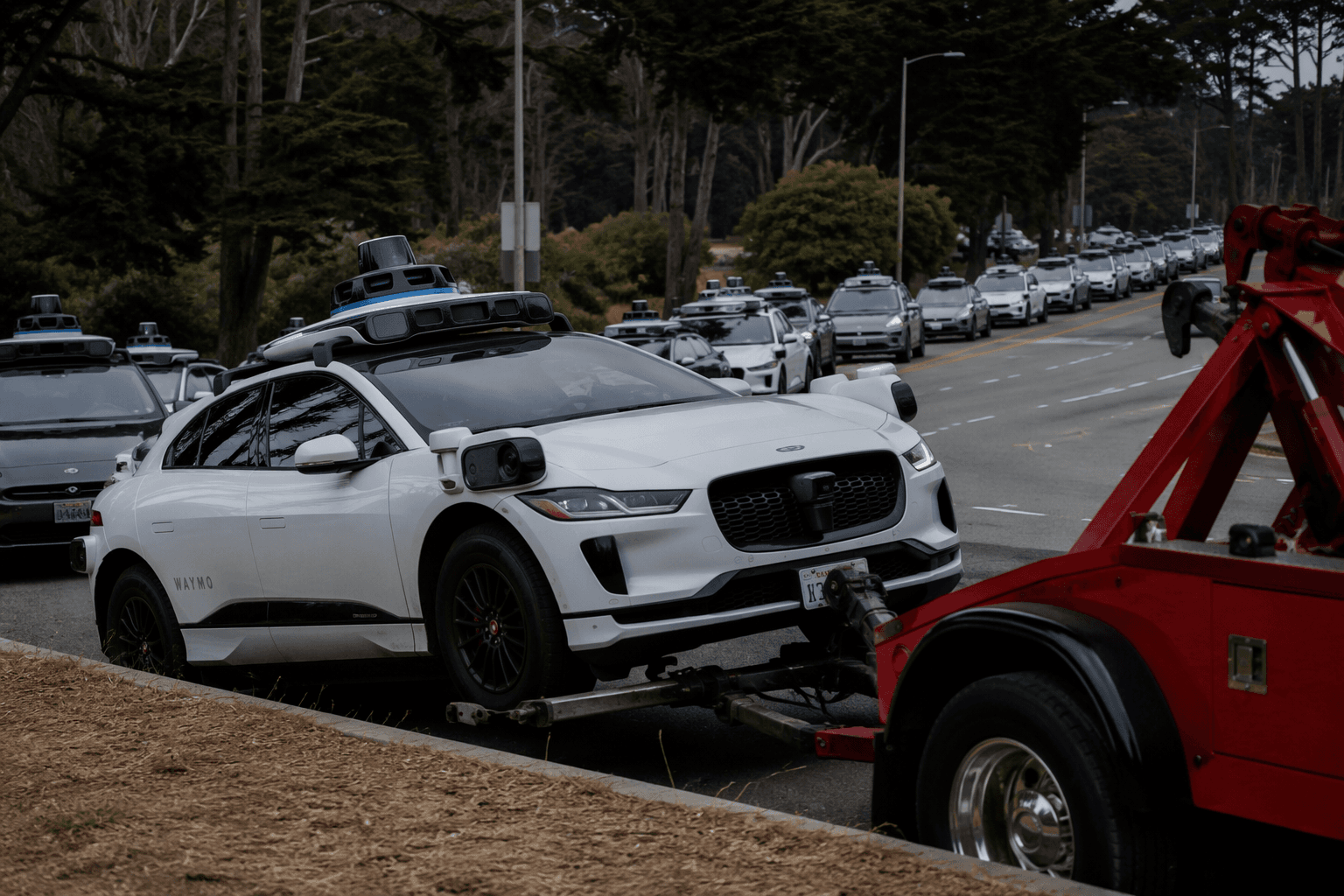
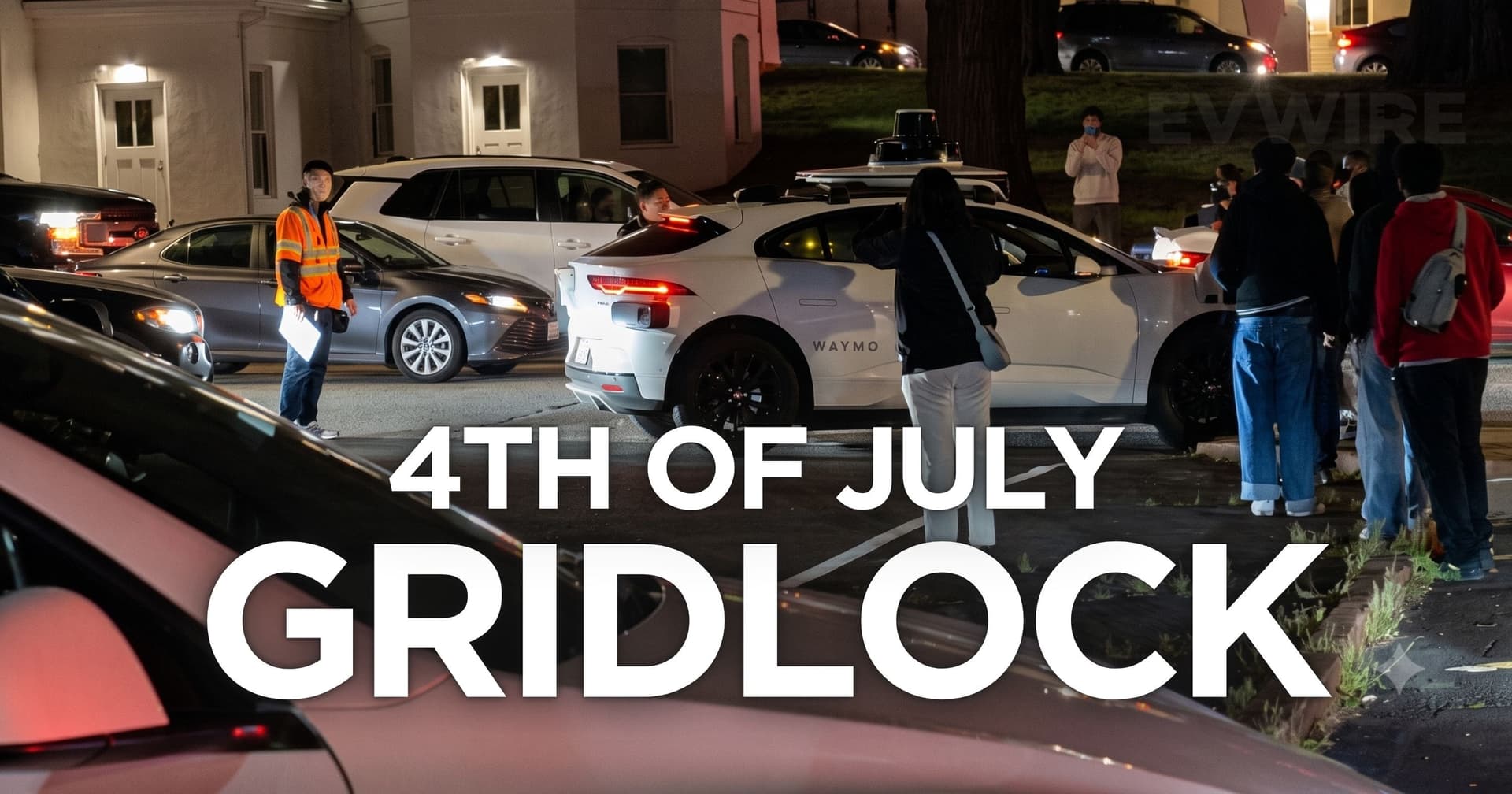
Waymo said “major traffic disruptions, a high volume of travelers, and unplanned road closures contributed to unexpected congestion.” The company’s cars were among those snarled in the hours-long standstill that followed fireworks-related road closures and heavy crowds.
The California Public Utilities Commission approved Waymo’s passenger service expansion on March 1, 2024, and earlier granted Cruise and Waymo additional operating authority to conduct commercial passenger service in San Francisco on August 10, 2023. California’s AV passenger service programs require quarterly reporting from participating companies, and state regulators have been developing a process to ticket autonomous vehicle companies that violate traffic laws.
This article was produced by Prism’s automated news system from verified source data, official records, and press releases, then run through automated quality and moderation checks before publishing. The system is built and supervised by the people who set the standards it runs under. Read our full AI policy.
Did this article answer your question?