Aston Martin to cut about 20% of workforce, slashing roughly 600 jobs
Aston Martin will cut roughly 600 roles from its 3,000-strong staff, citing widening losses, U.S. import tariffs and a sharp slowdown in China demand.
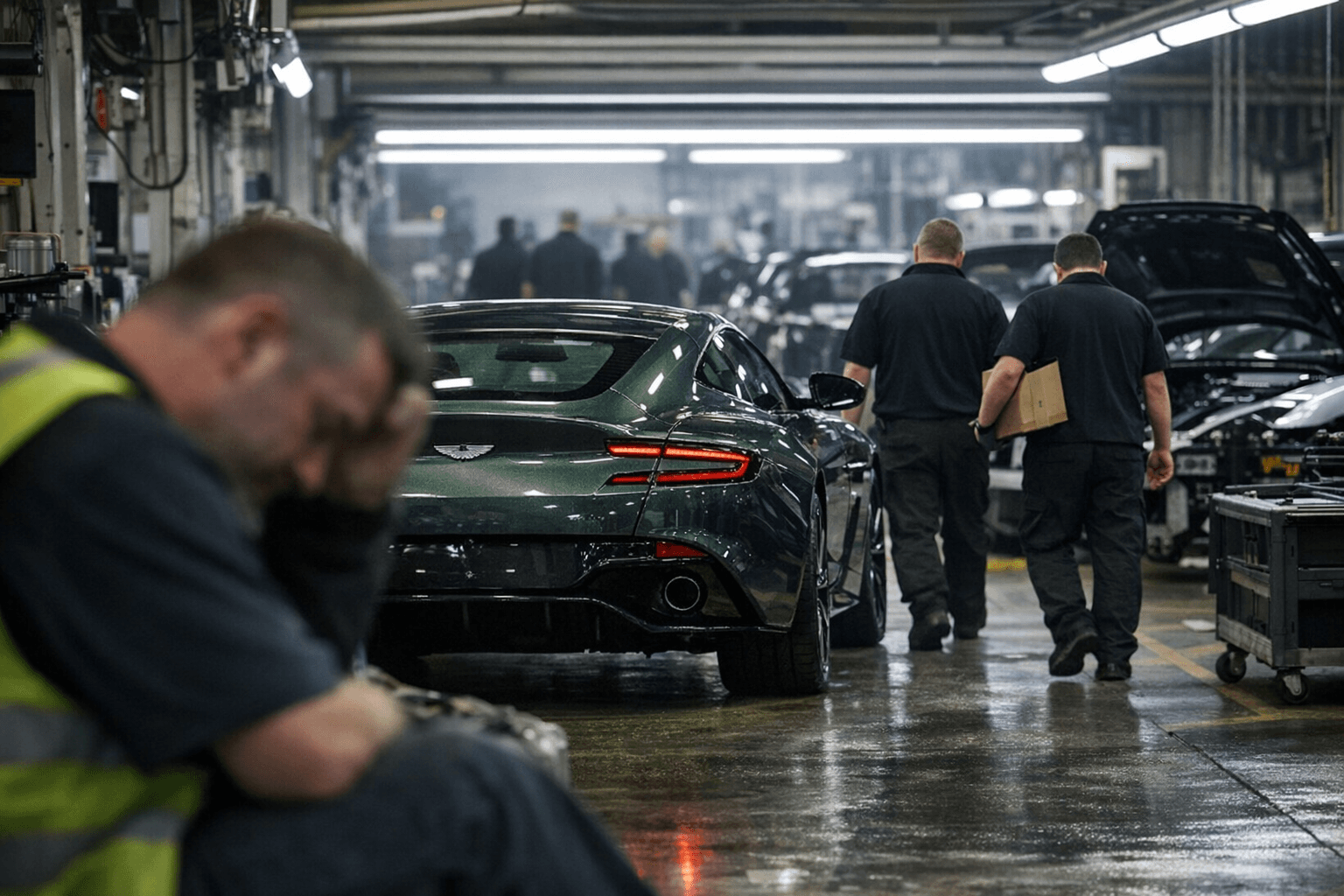
Aston Martin announced it will cut about 20 percent of its global workforce, a reduction of roughly 600 jobs out of an approximately 3,000-strong headcount, as the British luxury automaker confronts widening losses, U.S. import tariffs and weak demand in China. The move is the most significant contraction at the company since its 2020 turnaround led by investor Lawrence Stroll.
The company framed the layoffs as a necessary response to a deterioration in its core markets and to rising costs tied to trade policy. Executives cited U.S. import tariffs and a sustained slowdown in Chinese purchases of high-end vehicles as principal drivers that have compressed margins and revenue. Aston Martin said the reductions will take place across its global operations and are intended to align headcount with current demand, without specifying which locations or departments will be most affected.
The cuts come as Aston Martin struggles to balance elevated development costs for electrified models with a luxury market that has shifted. Automakers globally have been trimming staff and restructuring as the capital intensity of electrification and software increases. For Aston Martin, a small-volume maker that relies on high margins per car, a 20 percent workforce reduction represents a material operational recalibration that will affect engineering, manufacturing throughput and aftersales capacity.
Investors and industry watchers will view the job cuts as a signal that Aston Martin’s recovery remains fragile. The company has in recent years invested heavily in new models and technology to compete with rival luxury brands and new entrants from China, a market that has shown particular weakness at the high end. The combination of lower unit demand in China and higher effective costs in the U.S. market due to tariffs squeezes revenue in the two largest prize markets for premium marques.
The timing is politically sensitive in Britain. Aston Martin is an emblematic domestic manufacturer and a visible employer in U.K. advanced manufacturing. Any reduction in U.K. headcount will likely attract scrutiny from trade unions and Members of Parliament who have, in past restructurings at the firm, pressed for government support or industrial interventions to protect skilled manufacturing jobs.
For customers and dealers, the immediate effect will be operational. Reduced staff at distribution, aftersales and service networks could slow delivery times and maintenance turnarounds for owners. For suppliers, fewer production shifts or delayed model launches could ripple down the supply chain, affecting smaller U.K. tier suppliers that rely on Aston Martin business.
Longer term, Aston Martin faces the same strategic dilemma confronting niche luxury manufacturers: invest heavily to meet electrification and software demands and accept short-term margin pressure, or scale back ambitions and risk losing competitive ground to larger groups and aggressive Chinese challengers. Lawrence Stroll, who led the company’s 2020 rescue, will face renewed pressure to demonstrate that further structural changes can restore sustainable profitability without eroding the brand that underpins pricing power.
The company framed the job cuts as necessary to stabilise operations amid an increasingly challenging global environment. How management balances cost reductions with continued investment in new platforms will determine whether the reductions shore up finances or merely delay a tougher reset.
This article was produced by Prism’s automated news system from verified source data, official records, and press releases, then run through automated quality and moderation checks before publishing. The system is built and supervised by the people who set the standards it runs under. Read our full AI policy.
Did this article answer your question?