DOE closes $26.54 billion loan to Southern Co. utilities to fund grid upgrades
The Energy Department closed a record $26.54 billion loan to Georgia Power and Alabama Power to finance grid reliability work, shifting long-term costs and oversight to federal lenders.
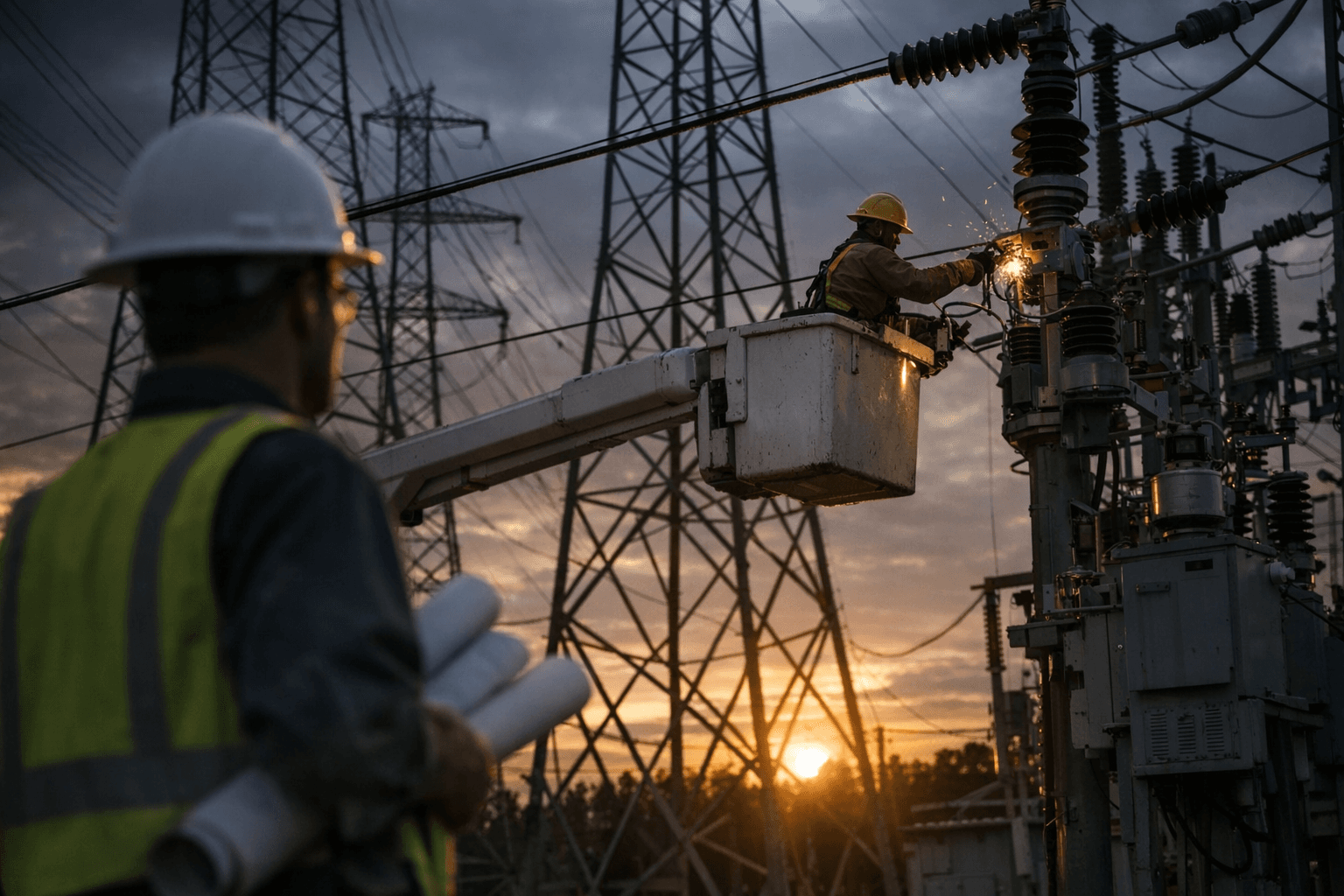
The U.S. Department of Energy on Feb. 25 closed a roughly $26.54 billion loan package to subsidiaries of Southern Company, principally Georgia Power and Alabama Power, marking the largest single financing in the department’s history. The financing is aimed at bolstering grid reliability across the utilities’ service territories and embeds substantial federal exposure into the Southeast’s electric infrastructure plans.
The package directly reduces near-term capital pressure on Southern Company while creating a multi-decade financing backstop for transmission, distribution and resilience investments that utilities say are needed to withstand increasingly frequent storms and extreme heat. By routing a large portion of project funding through the DOE Loan Programs Office, Southern can lock in long-term credit from a government-backed source rather than relying solely on private markets or immediate rate increases for customers.
For investors and credit markets, the deal alters the risk profile of Southern’s planned investments. A federal loan at scale typically lowers the utilities’ weighted average cost of capital for the financed projects and may reduce the need for near-term equity raises or higher-cost commercial borrowing. That dynamic could preserve shareholder value in the near term while shifting the ultimate repayment profile onto utility ratepayers through state public utility commission decisions and onto federal balance sheets if borrowers encounter repayment stress.
For consumers, the financing does not eliminate bill impacts. State regulators in Georgia and Alabama will still adjudicate how the costs are recovered from customers over time. Large utility capital programs typically get folded into multi-year rate cases; the DOE loan will change the financing mix but not the fundamental trade-off between upfront bills and long-run infrastructure spending. The practical consequence is a reallocation of borrowing sources rather than an immediate waiver of consumer payments.
The loan also has political and fiscal implications. A $26.54 billion federal loan to a single utility group represents a substantial contingent liability for taxpayers and is likely to attract scrutiny from lawmakers concerned about credit risk, oversight and project selection. The closing comes amid broader federal efforts to accelerate energy system modernization under major climate and infrastructure legislation enacted earlier this decade, reinforcing a long-term trend of increased federal involvement in electricity sector financing.
Operationally, the injection of capital will accelerate procurement and construction programs across Georgia and Alabama, touching transmission corridors, substations and other grid assets that underpin critical services for households and businesses. That work can support manufacturing and construction employment locally, while also altering the competitive dynamics for private lenders and equity partners who had bet on a rising pipeline of utility infrastructure spending.
The immediate next steps are regulatory filings and project-level contracting. State commissions will begin reviewing proposed cost-recovery mechanisms, and federal monitors within the DOE Loan Programs Office will oversee compliance with the loan terms. The deal sets a template for future large-scale federal financing of incumbent utilities and frames the debate over how the nation balances resilience investments, customer bills and taxpayer exposure as the power system adapts to a more volatile climate and higher reliability expectations.
This article was produced by Prism’s automated news system from verified source data, official records, and press releases, then run through automated quality and moderation checks before publishing. The system is built and supervised by the people who set the standards it runs under. Read our full AI policy.
Did this article answer your question?

