AstraZeneca to invest 300 million pounds in Britain after U.S. deal
AstraZeneca’s £300 million pledge tests whether Britain’s new pharma deal can win real investment, not just headlines, while protecting about 1,000 jobs.
AstraZeneca’s £300 million commitment to Britain landed as more than a routine expansion. It was a live test of whether the United Kingdom’s new pharmaceutical arrangement with the United States can pull capital, research and jobs back into the country after a year in which the drugmaker pulled back from major projects.
Keir Starmer announced the investment in Parliament on April 29, tying it directly to the new U.S.-U.K. pharmaceutical arrangement published on April 2 and finalized the same day. The deal builds on earlier trade understandings and says Britain will improve the overall operating environment for the pharmaceutical industry, while the United States supports tariff-free access for British-made medicines and higher U.K. prices for some new drugs. The stated aim is to speed access to innovative medicines, strengthen supply chains and support trade that both governments say is mutually beneficial.
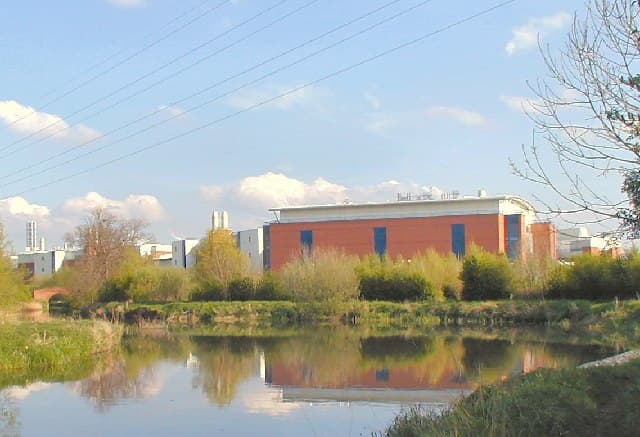
For Britain, the concrete gains are in Cambridge and Macclesfield. Starmer said the investment would help future-proof about 1,000 jobs, and AstraZeneca said the money will complete the Rosalind Franklin building on its Cambridge campus and create a lab of the future built around digital and data tools for drug development. The company’s wider campus plan also includes a new office and conference hub with 12,000 square metres of floorspace, offices for more than 700 staff, a 200-seat conference centre, a 450-seat auditorium and a restaurant.
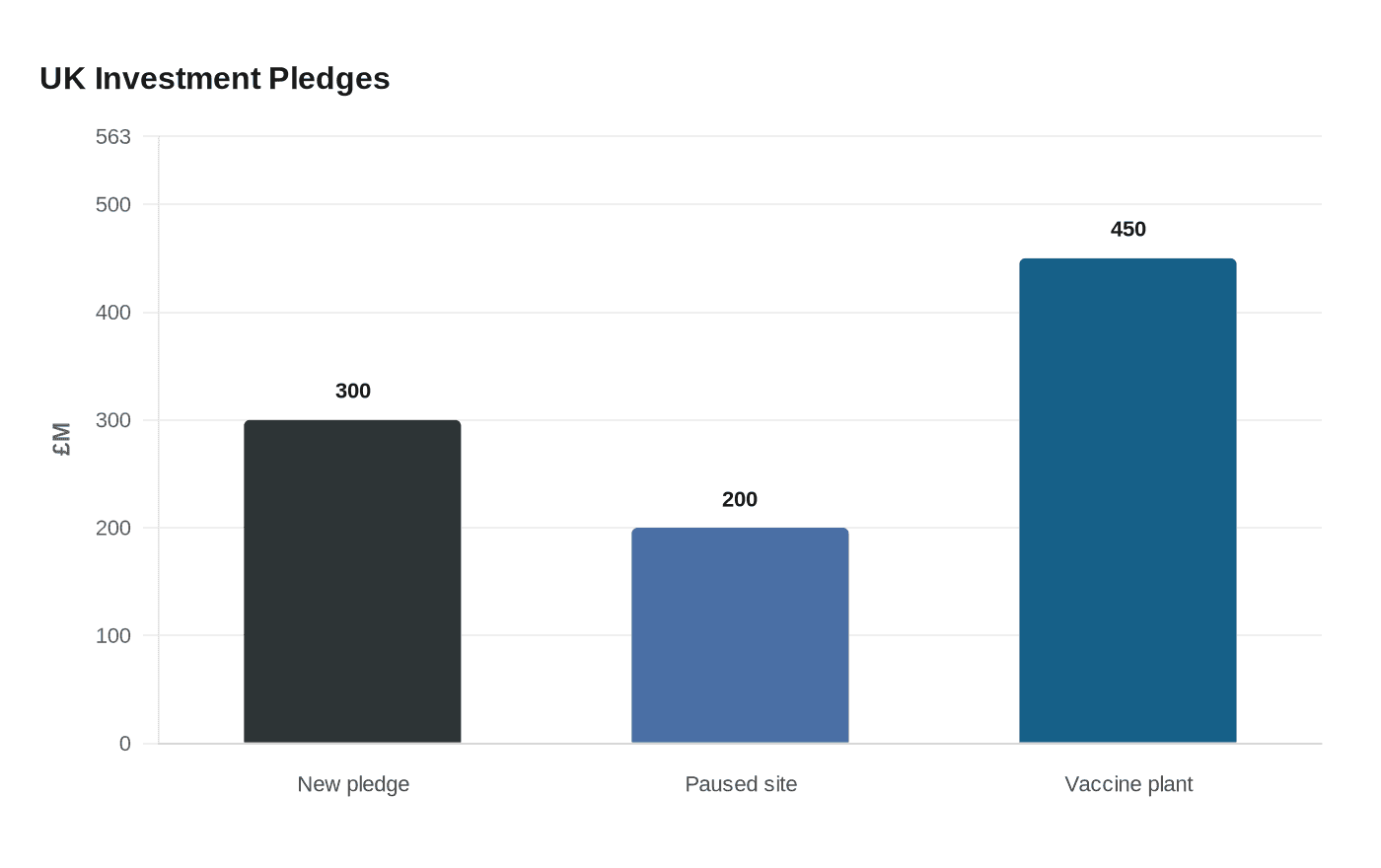
The announcement also marks a partial reversal from a period of retrenchment. AstraZeneca opened its global headquarters and Research and Discovery Centre on Cambridge Biomedical Campus in 2021, and began work on the Rosalind Franklin Building in early 2025. But the company paused a £200 million Cambridge research-site investment last September and later scrapped plans for a £450 million vaccine manufacturing plant in northern England after support changed. That makes the new pledge look less like a standard capital programme and more like a signal that the company sees a reason to keep building in Britain.
Pascal Soriot welcomed the policy environment and the U.S.-U.K. deal, which he cast as important for increasing spending on new medicines and giving patients access to new therapies. The timing strengthened the message: AstraZeneca also reported first-quarter 2026 results on April 29, with oncology sales up 16 percent and rare-disease sales up 15 percent, while it kept its 2026 forecast and said it remains on track for more than 20 new drug launches by 2030. That mix of strong demand, policy support and renewed domestic spending suggests the deal may matter less as a headline number than as an industrial-policy signal about where Britain wants drug discovery and manufacturing to stay.
This article was produced by Prism’s automated news system from verified source data, official records, and press releases, then run through automated quality and moderation checks before publishing. The system is built and supervised by the people who set the standards it runs under. Read our full AI policy.
Did this article answer your question?

