Astronauts Wrap Up Tests as Crew Prepares for Friday Splashdown
The Artemis II crew is locking down gear and rehearsing reentry steps as Orion races toward Friday's Pacific splashdown, where a contested heat shield fix faces its real test.
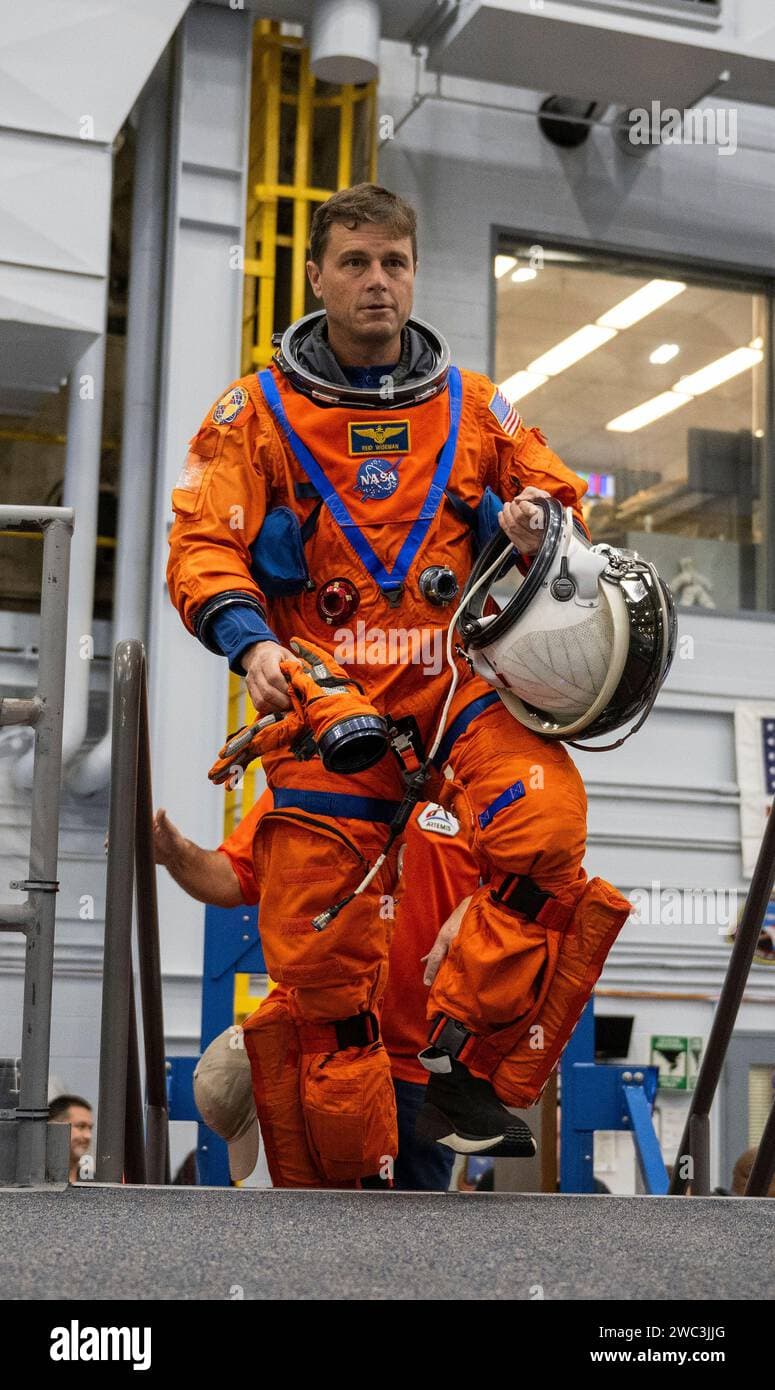
Nine days into the first crewed lunar mission since Apollo 17, commander Reid Wiseman and his three crewmates spent Thursday securing loose equipment and rehearsing the procedures that will govern their survival during the most dangerous hour of the flight. Splashdown is targeted for 8:07 p.m. EDT Friday, April 10, off the coast of San Diego, and what happens during the 13 minutes between atmospheric entry and touchdown will answer questions NASA has carried since before the crew ever left the launchpad.
The reentry profile is Artemis II's sharpest technical test. On flight day 10, Orion is expected to re-enter Earth's atmosphere at about 34,965 feet per second, or roughly 23,840 miles per hour. Atmospheric friction will heat the spacecraft's exterior to a blistering 3,000 degrees Fahrenheit, at which point the smaller crew module detaches from the rest of Orion and a sequence of parachutes deploys to slow the capsule to about 17 miles per hour for splashdown. During that heating phase, a plasma sheath will surround the capsule and block all radio contact, creating a communications blackout similar to the 40-to-45-minute gap the crew experienced during the lunar far-side flyby on April 6.
The biggest unknown is whether the heat shield holds. Artemis I exposed a char-loss problem caused by trapped gases in the shield's Avcoat material during its skip-entry profile. NASA changed the return conditions for Artemis II rather than redesigning the shield. At the bottom of Orion sits a 16.5-foot heat shield described as the world's largest ablative heat shield, with an outer surface made from 186 machined blocks of Avcoat bonded to a titanium skeleton. During the original skip-reentry, those blocks shed char unevenly. For Artemis II, the mission was initially planned to use a skip reentry, briefly dipping into the upper atmosphere to generate lift and dissipate energy, but this was replaced with a steeper entry profile following the heat shield erosion observed during Artemis I. The condition of the shield post-splashdown will tell engineers whether that call was the right one.
NASA flight director Rick Henfling confirmed Thursday that weather near San Diego should cooperate. A cold front is expected to push through after splashdown, and forecasters are projecting temperatures around 63 degrees with favorable conditions during the actual landing window. Henfling also noted that certified backup guidance, navigation, and control modes exist for contingencies that would shorten the entry profile and place Orion farther uprange of the primary target, while still delivering the crew safely.

The USS John P. Murtha departed Naval Base San Diego on April 7 for the recovery site. After splashdown, recovery teams will retrieve the crew by helicopter and fly them to the ship, where the astronauts will undergo post-mission medical evaluations before traveling back to shore and boarding a flight to NASA's Johnson Space Center in Houston.
Thursday's activities included final preparations for reentry: seats repositioned, loose equipment locked down, and the crew fitting orthostatic intolerance garments, the compression wear designed to reduce dizziness and circulatory stress when the body re-adapts to gravity. The exercise flywheel stowed earlier in the week, a necessary step since any free-flying equipment becomes a projectile at 3.9 g's during descent.
During Monday's lunar flyby, the Artemis II crew set a new record for the farthest distance from Earth traveled by humans: 252,756 miles, surpassing the previous mark set by Apollo 13 in 1970 by 4,111 miles. Friday's splashdown closes the loop on that record-setting journey. For NASA's Artemis program, it also opens the next one: if the heat shield survives as modeled, the agency can move forward toward Artemis III's crewed lunar landing. If it does not, the Moon waits a little longer.
This article was produced by Prism’s automated news system from verified source data, official records, and press releases, then run through automated quality and moderation checks before publishing. The system is built and supervised by the people who set the standards it runs under. Read our full AI policy.
Did this article answer your question?
&w=1920&q=75)