At least 12 dead as torrential rains flood Ghana's capital, Accra
Floodwaters killed at least 12 people in Accra and other parts of Ghana, while rescuers pulled more than 470 trapped residents from submerged neighborhoods.

Torrential rains that flooded large parts of Ghana left at least 12 people dead, including three women, eight men and one child, as emergency crews searched damaged neighborhoods and low-lying areas across Accra and beyond. The Ghana National Fire Service said the toll could rise because several people remained missing and more casualty reports were still coming in from communities cut off by rising water.
More than 470 people had already been rescued, and a separate operational count put the number evacuated at 479 across Accra, Tema and nearby communities between June 28 and June 30. The scale of the response showed how fast the storm became a citywide emergency, with floodwater trapping residents in homes, cutting off roads and forcing crews to work through neighborhoods where runoff had nowhere to drain.
The disaster has again put Ghana’s drainage and land-use failures under scrutiny. In previous flooding episodes in Accra, the National Disaster Management Organisation has blamed poor drainage and urban planning failures, especially in areas built or expanded in flood-prone basins and along blocked waterways. Those weaknesses have made heavy rain a recurring public-safety threat in a capital where intense downpours can overwhelm drains, push water into streets and strand entire blocks within hours.
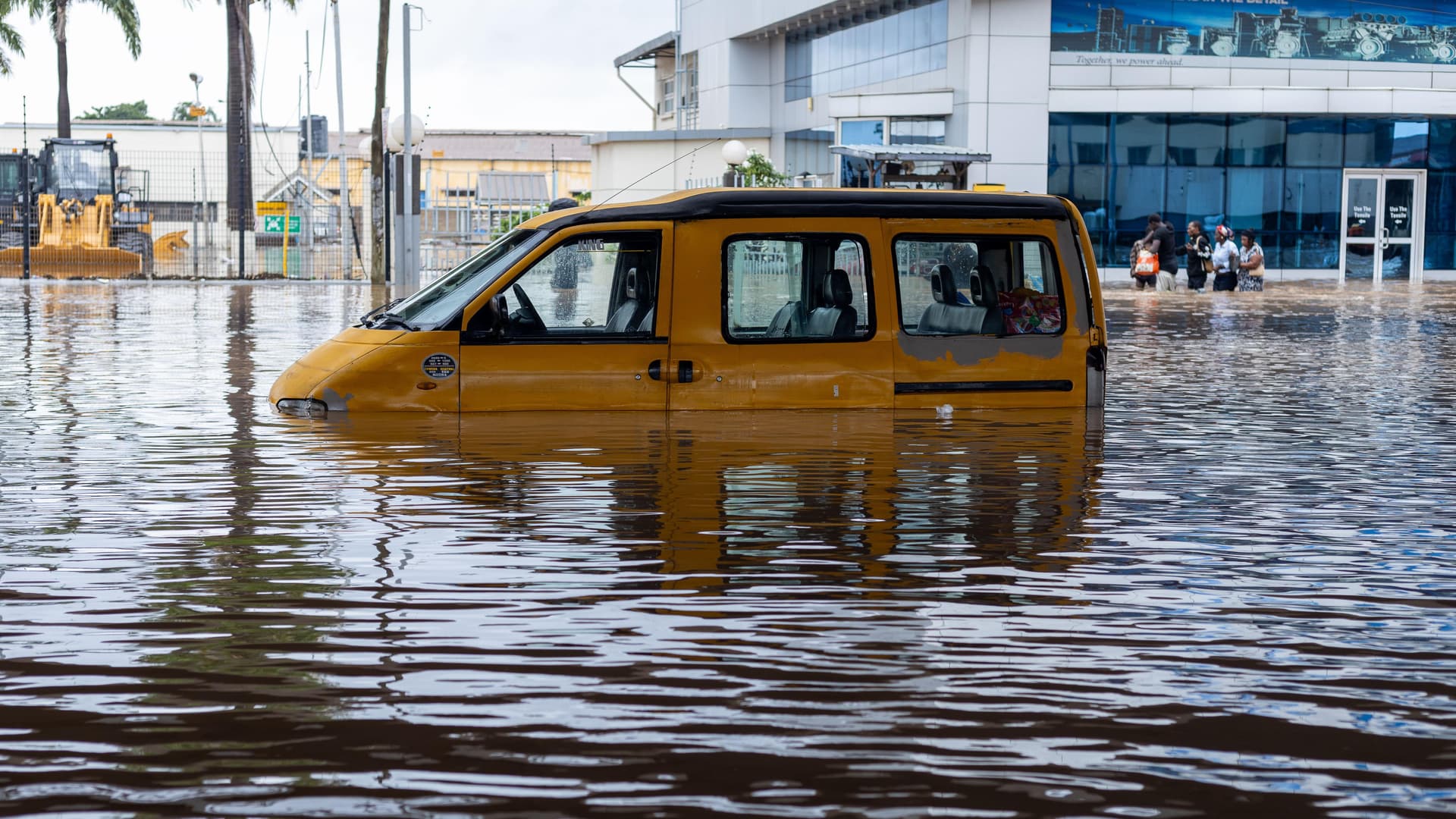
Accra’s vulnerability is not new. On June 3, 2015, torrential rains triggered one of Ghana’s deadliest urban disasters, a flood-and-fire catastrophe near Kwame Nkrumah Circle that later became associated with 159 deaths. The latest flooding lands in a country where United Nations in Ghana disaster-risk work says climate hazards are expected to intensify, bringing more severe flooding and more intense droughts. That warning points directly to the need for stronger preparedness across infrastructure, water and sanitation, and social protection systems. For now, the fire service-led response is focused on finding missing people, reopening access to stranded communities and keeping the death toll from climbing further as floodwaters recede.
This article was produced by Prism’s automated news system from verified source data, official records, and press releases, then run through automated quality and moderation checks before publishing. The system is built and supervised by the people who set the standards it runs under. Read our full AI policy.
Did this article answer your question?


