At least 30 killed in stampede at Haiti's Citadelle Laferrière festival
At least 30 people died in a crush at Haiti’s Citadelle Laferrière festival after rain and congestion slammed the fortress entrance, with dozens more hurt and hospitals strained.
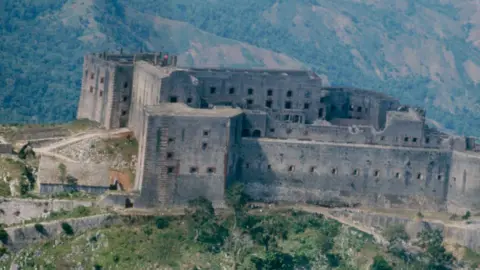
A rain-soaked crowd at Haiti’s Citadelle Laferrière festival turned deadly Saturday when a stampede near the fortress entrance killed at least 30 people and sent several dozen others to local hospitals. Prime Minister Alix Didier Fils-Aimé said the event drew many young people, deepening the sense of loss at a site that is supposed to celebrate Haitian heritage, not become a scene of mass casualties.
Civil protection officials said the crush began at the entrance to the mountaintop fortress above Milot in the Nord department, then worsened when heavy rain fell and people surged forward. Local outlets also reported unverified rumors that police may have used tear gas to break up a fight nearby, but that claim had not been independently confirmed. An official investigation was announced as rescue and search operations continued and authorities warned the toll could rise.
Jean Henri Petit, who heads civil protection in the Nord department, confirmed the location and said the death count could increase as teams searched for survivors. The Culture Minister, Emmanuel Menard, also confirmed the deaths, while the government said on its Facebook page that it was in “deep sadness” and that relevant authorities had been mobilized. The Citadelle was closed to visitors until further notice.
The tragedy raises hard questions about crowd control, site oversight, and emergency planning at one of Haiti’s most visited landmarks. Citadelle Laferrière, also known as Citadelle Henry, sits on Bonnet à l’Évêque above Milot and is reached by steep roads and climbs that can make evacuation and ambulance access difficult. Built under Henri Christophe and completed around 1820, it is part of the National History Park, a UNESCO World Heritage site, and a symbol of Haitian independence.
Those geographic barriers matter because Haiti’s emergency system is already under strain. Doctors Without Borders and other aid groups have warned that hospitals are near capacity and trauma care resources are stretched amid ongoing violence and repeated disasters. The pressure has been visible for years, from the August 14, 2021 earthquake that killed roughly 2,200 people to a fuel-truck explosion in September 2024 that killed about two dozen more.
For the families now waiting outside hospitals in northern Haiti, the immediate questions are painfully practical: how many people were inside the site, whether permits and security plans matched the size of the crowd, and whether officials had the capacity to prevent the crush or contain it once panic began. At a national landmark meant to embody resilience, the failure was measured in bodies, hospital beds, and the growing fear that the final toll is still not known.
Sources:
Know something we missed? Have a correction or additional information?
Submit a Tip