Attorney General finds 315 children abused by 75 Rhode Island priests
Peter Neronha’s report says diocesan leaders sheltered abusers across roughly 75 years, prompting calls for legal reform and expanded support for survivors.
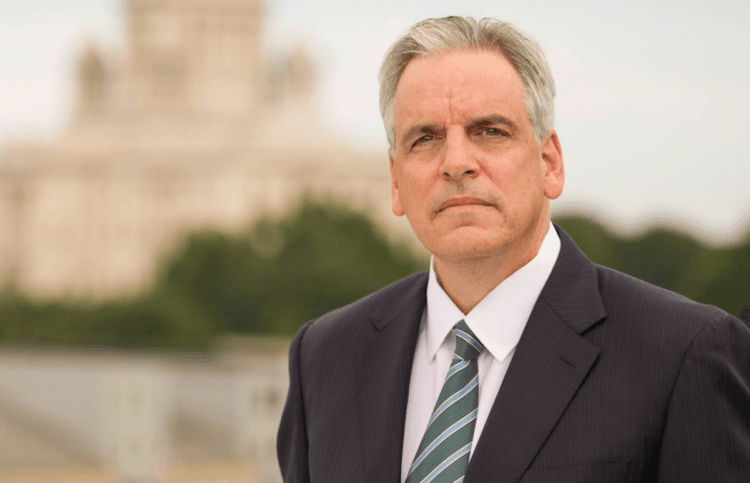
Rhode Island Attorney General Peter Neronha’s multiyear investigation concluded that Catholic priests sexually abused hundreds of children over roughly 75 years and that diocesan leaders repeatedly protected accused clergy, the report and local reporting show. The Providence Journal, which reviewed the office’s 280-page report and more than 100 pages of appendices, reported that at least 315 children were abused by 75 Catholic clergy in the state.
The report charts a pattern of transfer, concealment and delay: accused priests were reassigned to new parish posts without full investigations and often without notification to law enforcement, enabling further abuse. Diocese officials maintained a secret archive and in some instances destroyed files or withheld information that could have revealed victims’ identities, according to the findings summarized by the Journal and by national outlets.
The investigation traces institutional practices back decades. In the early 1950s the Diocese opened a spiritual retreat-style facility for accused priests, later turning to formal treatment centers as abuse began to be framed in medical terms. The report said officials sometimes placed priests on review boards or in oversight roles even as complaints accumulated against them. PBS reported that priest Francis Santilli served on the Diocese review board and received complaints in 2014 and 2021, stepped down from the board but remained in active ministry, and was not removed until 2022. As the report put it, “Only the Diocese can explain why this plainly necessary action took so long.”
Neronha, who launched the probe in 2019 after disclosures in other jurisdictions, said the Diocese must reckon with the findings and pressed for faster legal and institutional remedies. “If you're the Diocese of Providence and you're listening, this is a scandal you need to own and you need to fix,” he told reporters, adding, “We can’t slow walk solutions and we can’t slow walk justice.” Rhode Island law bars public grand jury reports, a constraint Neronha cited as a reason he negotiated access to hundreds of thousands of diocesan records rather than relying on grand jury powers.
Victims and advocates called the report devastating. Herbert Brennan, who says he was repeatedly abused in the 1960s, said bluntly, “If one wants to learn the teachings of Jesus Christ, they should read the Bible. If one wishes to understand the Catholic church, read this report.” Survivor-activist Ann Webb described the document as “hundreds of pages of men's cruelty to children and its diabolical cover-up,” and urged public outrage.
The Diocese of Providence pushed back against how the report frames recent church life. In a video statement Bishop Bruce Lewandowski said, “There are no credibly accused clergy in active ministry,” and added that today’s clergy “are good and holy men serving Christ and his people with devotion and out of genuine pastoral concern.” The Diocese also told local media that the report “presents this 75-year history in ways that might lead the reader to conclude these issues are an ongoing diocesan problem or that these are new revelations. They are not.”
Public health and community leaders say the revelations carry long-term consequences. The scale of abuse and the institutional response erode trust in local institutions and deepen trauma for survivors and their families, underscoring calls from the attorney general for legal reforms to expand investigative powers and for investment in survivor services. With Rhode Island home to nearly 40 percent Catholic residents by some counts, the report’s findings reach across parishes and neighborhoods, raising questions about accountability, compensation and structural change as lawmakers and clergy respond.
Know something we missed? Have a correction or additional information?
Submit a Tip

