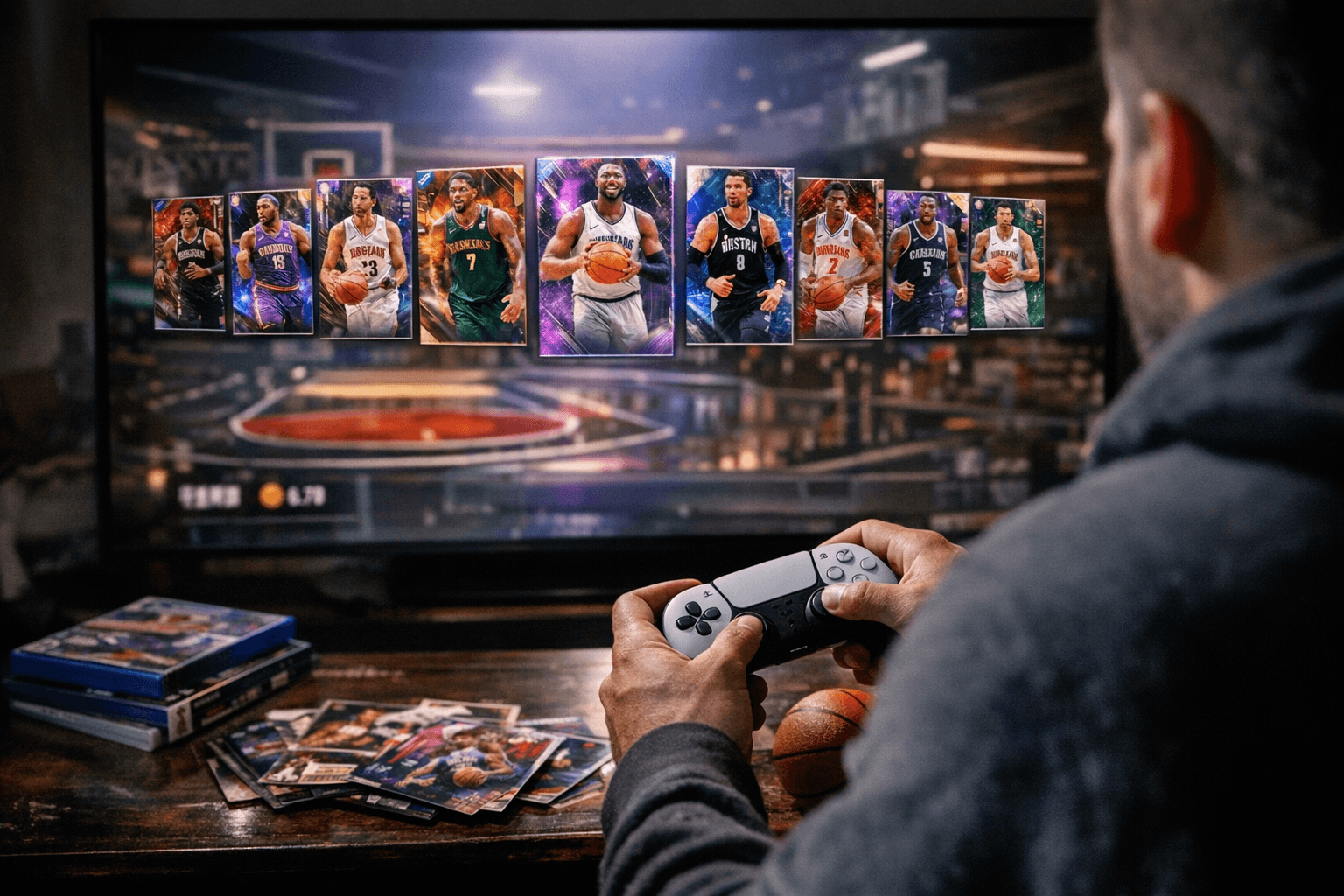
Auction House, Collections and Pack Cycles Drive MyTEAM Card Values
The auction house, collections and pack cycles are the three levers that shape MyTEAM prices — learn when to grind, when to buy, and which community tactics actually move your MT.
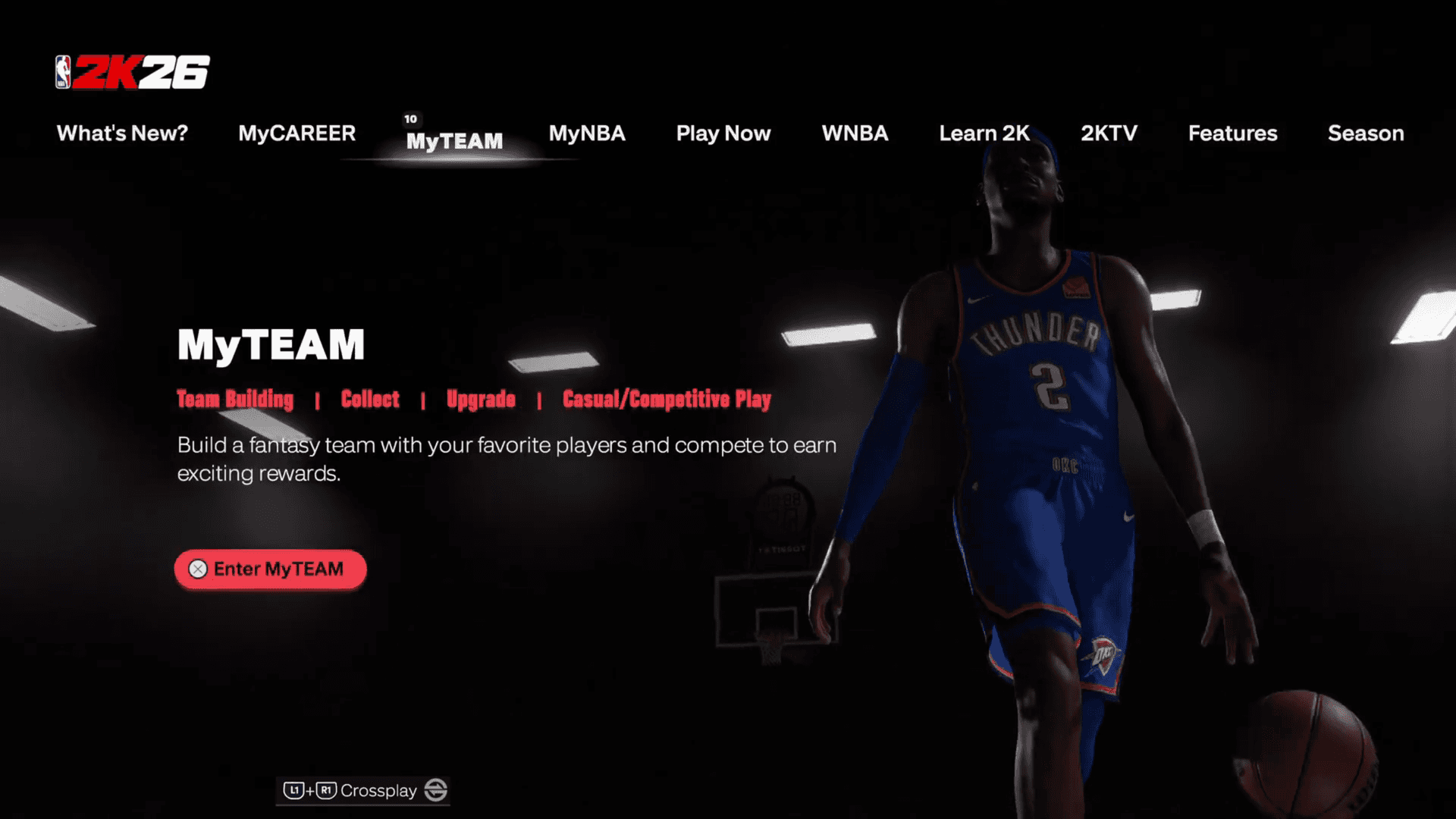
Who & What: "This evergreen guide (Deltia’s Gaming — NBA 2K26: MyTEAM Guide) explains the core mechanics of MyTEAM that players rely on to build squads: how packs work, the auction house, salary cap rewards, domination and collection strategies, and the economic levers that drive card value. While th"
Why that sentence matters — and why you should care — is simple: the things that create supply and demand in MyTEAM are obvious when you play long enough. Pack releases flood supply, collections and collection rewards remove supply or create guaranteed demand, and the auction house is where all of that supply and demand discovers a price in MT. That triangle — packs, collections, auction house — is the reason I stop myself from chasing every flashy card the moment it drops.
Packs: temptation vs reality Community advice is blunt: "Try not to buy packs, do the challenges, use the locker codes." Packs are the supply shock driver; when a super pack or promo hits, tons of cards enter the economy and the market re-prices. One community voice even predicted market swings tied to pack timing: "I have no doubt this will fluctuate a bit when we get some final season 3 super packs on Tuesday but for now, I think this is where the market is in terms of value in cards." Take that as the rule of thumb — if new packs are incoming, hold MT and wait. Don’t assume every pack purchase is an investment; most net losers in MT will tell you the same.
Locker codes and free value Locker codes are the low-effort hedge against pack temptation. The community instructs: "Get NBA ID and obtain locker code under benefits." Those codes periodically give free packs or players, so staying on top of announcements saves you VC/MT and chips away at the need to open paid packs. Make locker-code redemption part of your weekly routine — they’re free and they blunt the pack-supply narrative without costing you MT.
Auction house: where value becomes MT The auction house is the market. As players put cards up for sale or BIN, prices form and opportunities for profit appear. "When you get enough MT you can buy better players in the auction house." That’s not just a platitude — it’s the mechanic that separates grinders from buyers. Buying cards after a pack dump or buying underpriced tokens and flipping them into collections is how serious MT traders operate. Because the research here doesn’t include auction tax, BIN mechanics or exact durations, treat the AH as a marketplace that can have hidden costs and timing rules; confirm those before you adopt an aggressive flipping strategy.
- "Playing some domination to get some MT is probably your best bet." Domination consistently pays out cards and MT that scale as you clear tiers.
- "Play 10 games of TT get amethyst Fred Jones." Triple Threat (TT) is quick, repeatable, and gives concrete rewards; the "10 games for an amethyst" example is the kind of short-loop value that competes with packs.
- "Get the starters. Do the Welcome to My Team grind." The Welcome grind and starter evos are front-loaded value that bootstrap your squad without emptying your MT wallet.
- "Try Salary Cap. If you lose you can blame it on meeting a superior player." Salary Cap is the mode to use when you want competitive games but less MT risk — it keeps teams balanced so a single superstar won’t always decide a match.
Grind modes that underpin MT income
Not every card chase needs a wallet. Community-sourced methods to generate MT are practical and repeatable:
Starter strategy and Evo cards Early on, the fastest route to a usable team is to "Evo whoever you choose for your starter card while doing your 10 games." Evolving a starter turns hours into a reliably improving asset; you get stat bumps and a card that can carry you through mid-game content. Combine starter evos with the Welcome grind and TT/DOM rewards and you’ll have enough usable cards to avoid impulse packs.
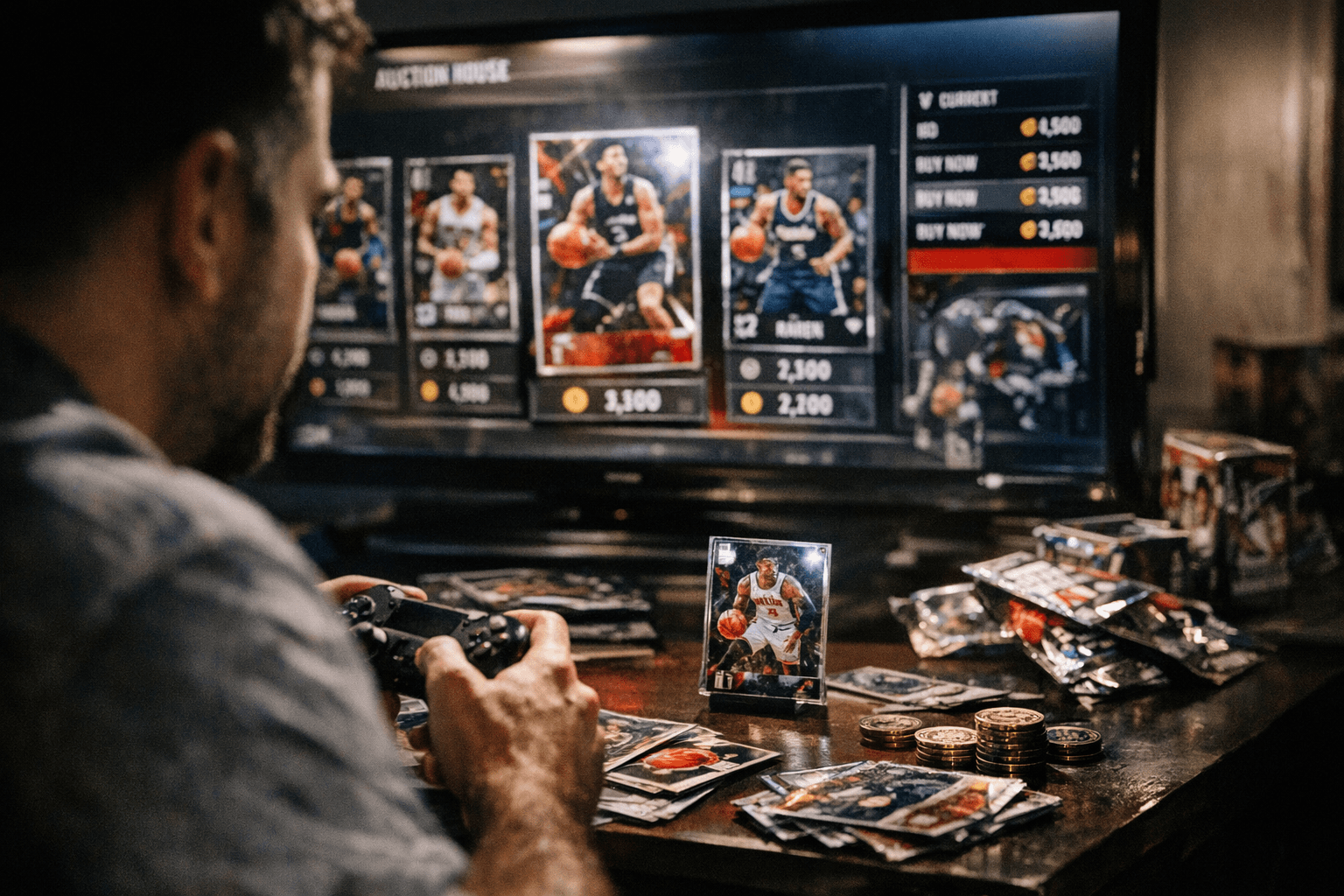
How to evaluate players — look under the hood A key community rule that separates hobbyists from winners is: "Higher overall doesn't always mean a player is better." Badges, animations, speed/shot timing, and playstyle compatibility matter more than the number stamped on a card. When shopping the auction house, compare relevant stats and badges to your playstyle, not just overalls. That’s also why some high-tier cards don’t immediately become buy-it-nows for most players.
Market dynamics, Galaxy Opals and timing Community sentiment about high-end cards is blunt: "Obviously I’m not going to mention Galaxy Opal cards because none of them should be a BIN (maybe D Rose, card is kinda dog water)." That captures two truths: high-tier cards often carry hype that inflates early prices, and community skepticism can be an early warning sign to avoid overpaying. The market statement about season pack timing is also essential: pack cycles move prices more than any single reward mode. If you’re hunting value, watch pack calendars and pre-position your MT — panic buying into a pack dump is where most MT evaporates.
A quick start plan (what I do when I return to a season) 1) Do Welcome to My Team and secure starters; pick one starter to Evo and start the 10-game loop. 2) Run Domination levels for steady MT and focused card rewards. 3) Play Triple Threat for short-term token/card rewards (remember the "Play 10 games of TT get amethyst Fred Jones" example). 4) Hold MT and watch for pack cycle announcements; only buy in the auction house when you can snipe below market or flip into a collection. 5) Redeem locker codes immediately and link your NBA ID benefits to grab whatever free content appears.
What we still don’t know — and what you should verify The Deltia excerpt is truncated, so important structural details are missing: pack odds, auction fees/taxes, exact salary cap reward tables, and the mechanics of collection sinks. The Reddit snippets lacked usernames, timestamps, or thread context, so treat those quotes as community-reported tactics rather than authoritative disclosures. If you want certainty on the mechanics I referenced, get official pack-odds, auction house rules, and season-pack calendars from 2K or reputable dataminers before executing high-risk trades.
- Treat packs as supply events — avoid impulse purchases and time your buys around cycles.
- Make locker codes and starter evos a priority; they're free or low-cost MT paths.
- Use the auction house to buy specific needs or to flip when prices are depressed, but confirm auction fees/timings first.
- Focus on badges, animations and fit over raw overall — "Higher overall doesn't always mean a player is better."
Practical takeaways
There’s a rhythm to MyTEAM markets: grind and free sources build your bank, the auction house converts that bank into precise upgrades, and pack cycles rewrite prices every time a promoter drops a super pack. Learn the timing, prioritize non‑pack income, and you’ll make far fewer mistakes than chasing the next shiny drop.
Know something we missed? Have a correction or additional information?
Submit a Tip