Australia and India finalize uranium export deal, deepen clean energy ties
Australia and India cleared the way for uranium sales under IAEA safeguards as Modi met Albanese in Melbourne, adding a nuclear edge to a wider strategic reset.
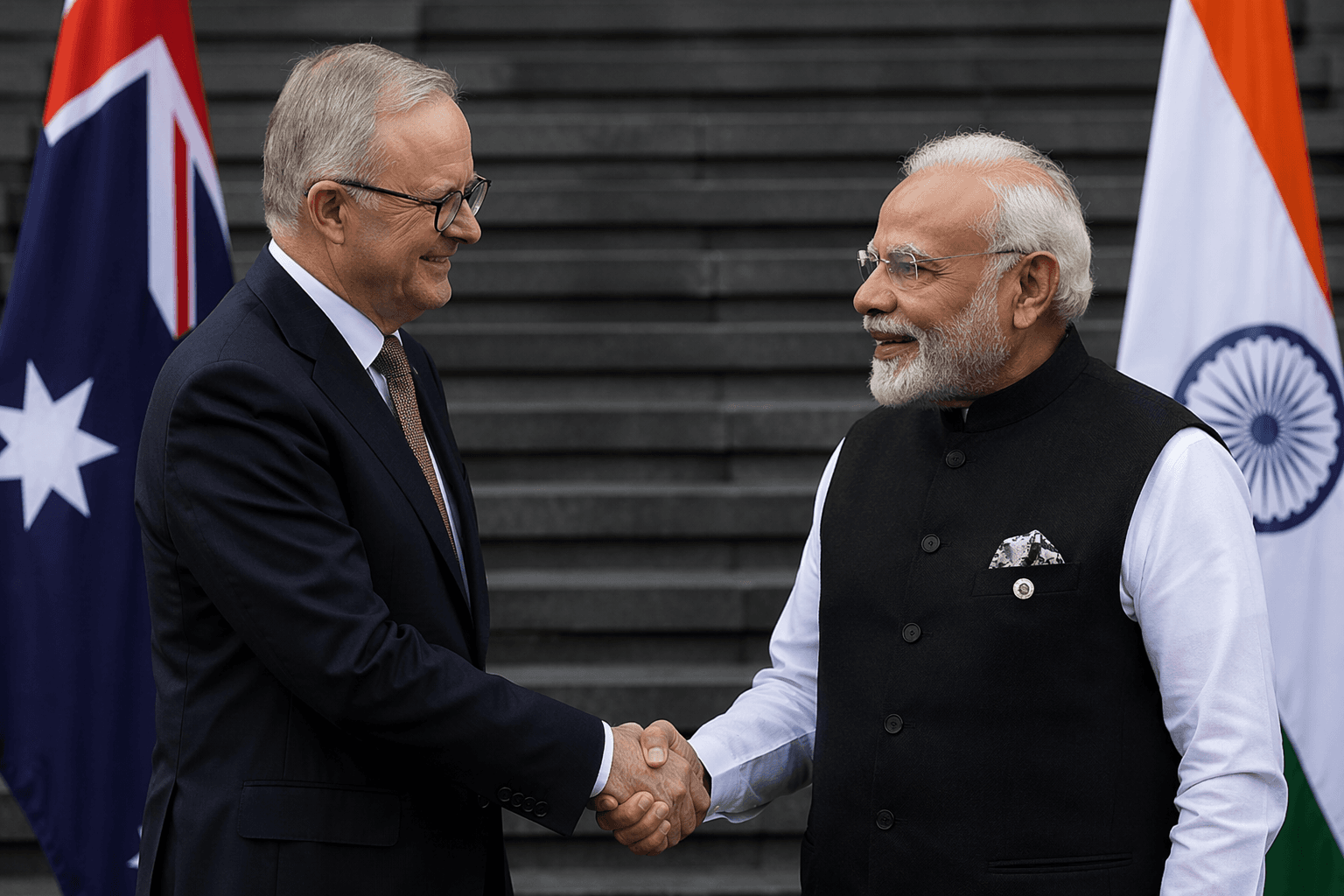
Australia and India finalized the administrative arrangements needed to let Australian uranium flow to India under International Atomic Energy Agency safeguards, turning a long-discussed nuclear understanding into an operating export channel. The agreement was announced in Melbourne, Naarm, during the Third Australia-India Annual Summit after Narendra Modi met Anthony Albanese, with the two leaders also signing a separate declaration on defense and security cooperation.
The uranium deal carries weight far beyond fuel supply. India is not a party to the Nuclear Non-Proliferation Treaty, and Australian uranium policy has long been shaped by nonproliferation concerns. The new arrangement is built around peaceful use, including electricity generation, and sits within the Australia-India Nuclear Cooperation Agreement, which provides the legal framework for exports. India’s earlier 2008 IAEA safeguards arrangement and the Nuclear Suppliers Group exemption helped create the legal pathway that now allows the trade to move forward.
For New Delhi, the political value is tied to energy security and industrial ambition. India has set a target of 100 gigawatts of nuclear energy capacity by 2047, and Albanese said the arrangement would help expand non-fossil-fuel power while opening a new market for Australian resource companies. The timing also reflects how closely energy policy now intersects with diplomacy: the summit materials framed India as Australia’s fourth-largest and fastest-growing major economic partner.
The meeting was not limited to uranium. Modi said Australia’s technology, capital and resources could accelerate India’s energy transition, and he pointed to cooperation in low-carbon aluminium projects. He also urged Australian businesses to commit for the long term to India’s roads, ports, railways and urban infrastructure, signaling that the partnership now stretches across clean energy, heavy industry and logistics as well as nuclear fuel.
Capital flows have already started to match the rhetoric. AustralianSuper said it would add A$500 million to India’s National Investment and Infrastructure Fund, bringing its total holdings in India across all asset classes to A$3.3 billion. The investment underscores how financial ties are widening alongside the diplomatic and energy relationship, even as Australia and India encourage more activity across the energy value chain and push greater renewable energy uptake and electrification.

The strategic backdrop is just as clear. The two governments said they want a common ambition for an open, peaceful, stable and prosperous Indo-Pacific, while Australia keeps working to diversify its trade away from China and India seeks sturdier supply, investment and technology links. The Melbourne summit, following the leaders’ last annual meeting in Rio de Janeiro in November 2024, marked another step in a relationship now anchored in defense, critical minerals, clean energy and nuclear cooperation.
This article was produced by Prism’s automated news system from verified source data, official records, and press releases, then run through automated quality and moderation checks before publishing. The system is built and supervised by the people who set the standards it runs under. Read our full AI policy.
Did this article answer your question?