Mashhad funeral for Khamenei delayed after U.S.-Iran strikes
Iranian authorities delayed the final Mashhad procession for Ayatollah Ali Khamenei hours after U.S.-Iran strikes, turning a funeral into a display of wartime strain.
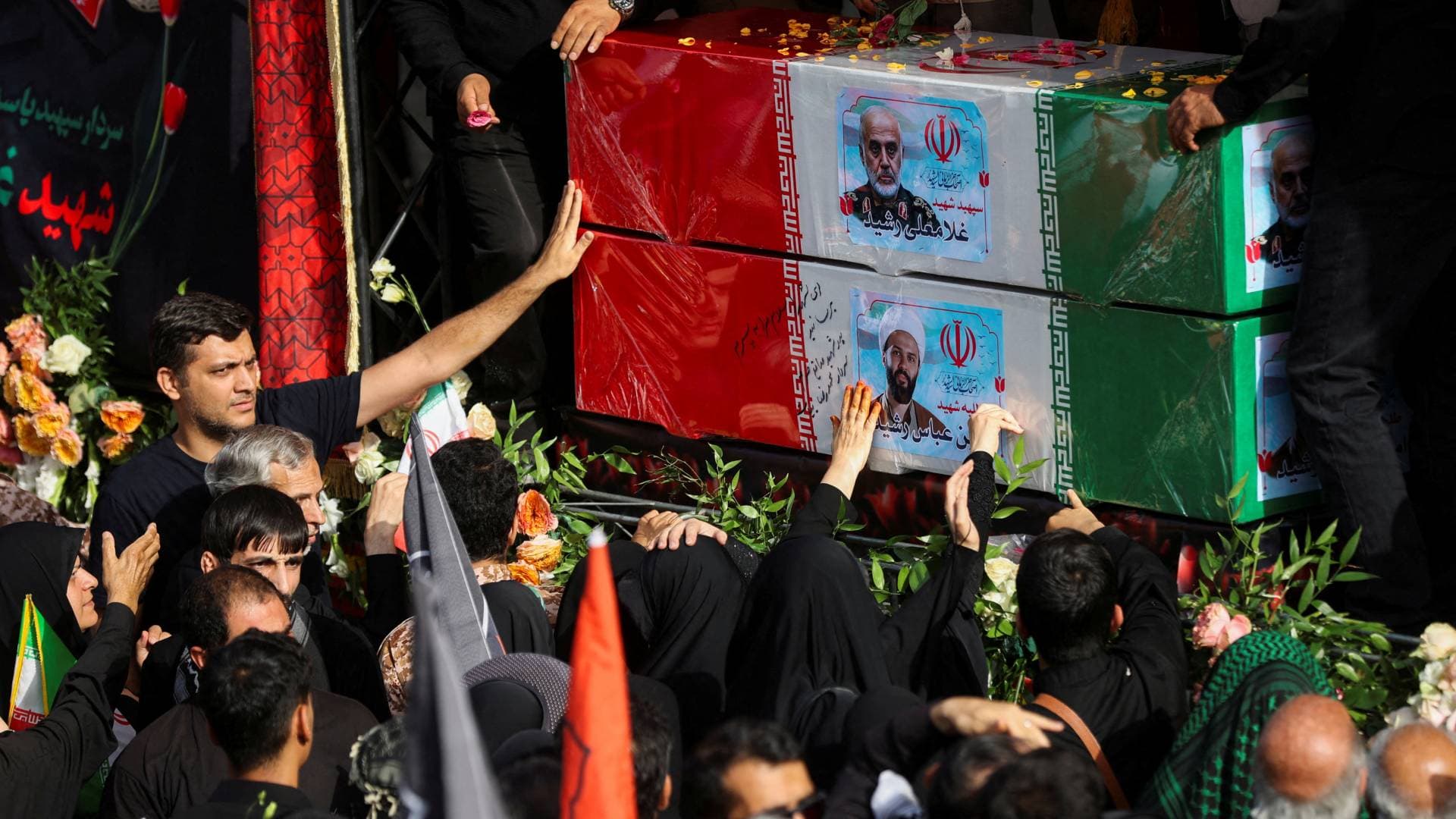
Iranian authorities said the final funeral procession for Ayatollah Ali Khamenei in Mashhad would start late after the United States and Iran traded strikes hours earlier. The delay turned the burial into more than a religious rite: it became a measure of how deeply the conflict was intruding on a choreographed transfer-of-power moment in the Islamic Republic.
The burial in Mashhad was the last stage of a weeklong mourning sequence that began on July 4 and was scheduled to end on July 9, after ceremonies in Tehran, Qom, and at holy sites in Iraq, including Najaf and Karbala. The procession was expected to draw millions of mourners, and earlier funeral marches in Iraq had already run beyond their planned schedules as crowds overwhelmed the route.
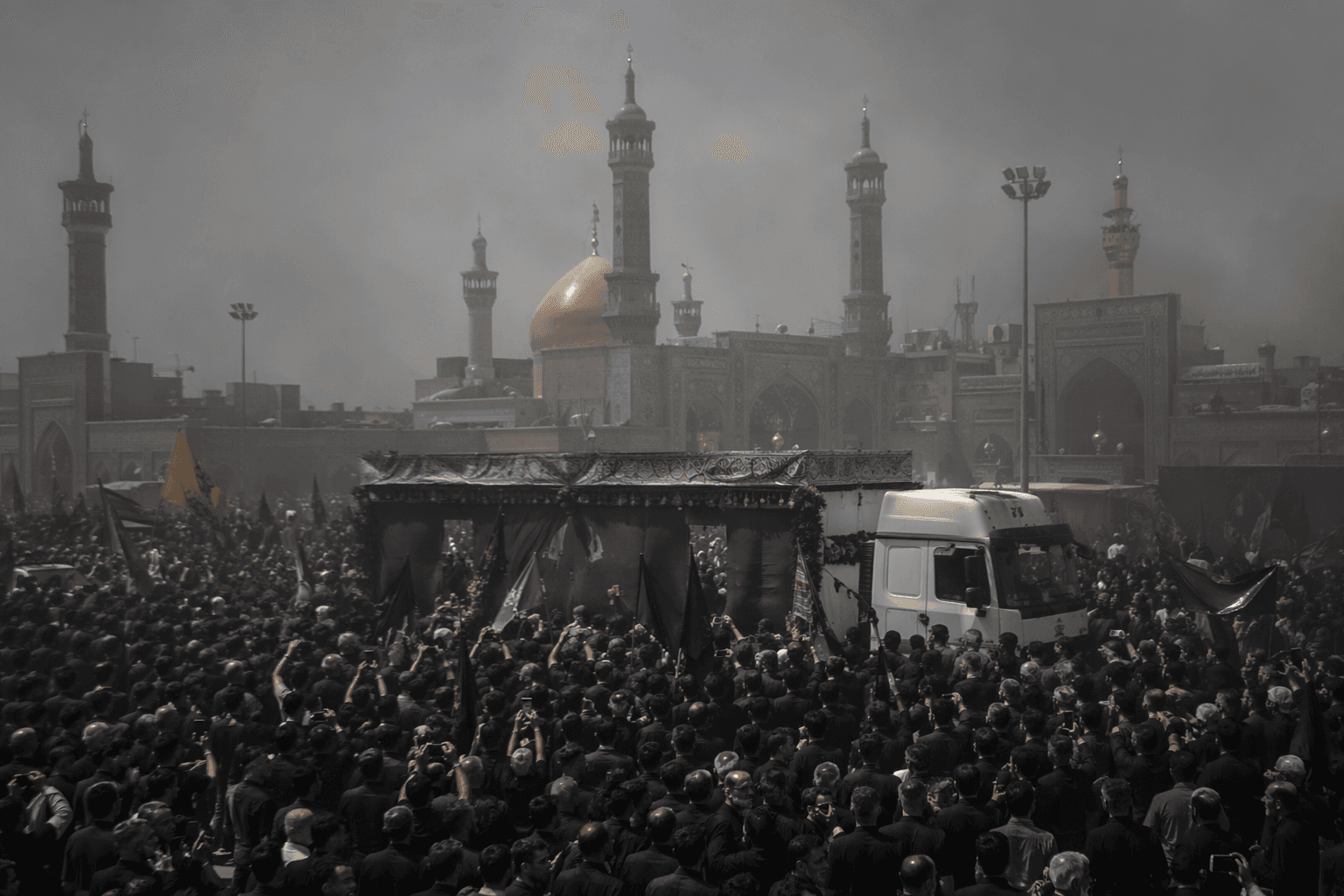
Khamenei, who ruled the Islamic Republic for four decades, was killed in a U.S.-Israeli strike on February 28. His funeral had been delayed for about four months because of regional conflict, leaving the final rites to unfold under the same military pressure that had interrupted them in the first place. The renewed exchange of fire between Iran and the United States on July 9 made the timing of the Mashhad procession politically charged as well as ceremonial.
Mashhad carries special weight for Iran’s clerical establishment. It was Khamenei’s hometown and the site of the Imam Reza Shrine, one of Shiite Islam’s holiest pilgrimage destinations. That made the burial there a symbolically loaded end to a national mourning period, with the regime seeking to project continuity and control even as the procession itself was forced to move later in the day.
The disruption also underscored how the conflict has entered the most formal rituals of succession and remembrance. The funeral sequence was meant to present order across Tehran, Qom, and Iraq before the final burial in Mashhad, but the late start showed that even ceremonial timing could be overtaken by military escalation and the scale of public turnout.
This article was produced by Prism’s automated news system from verified source data, official records, and press releases, then run through automated quality and moderation checks before publishing. The system is built and supervised by the people who set the standards it runs under. Read our full AI policy.
Did this article answer your question?