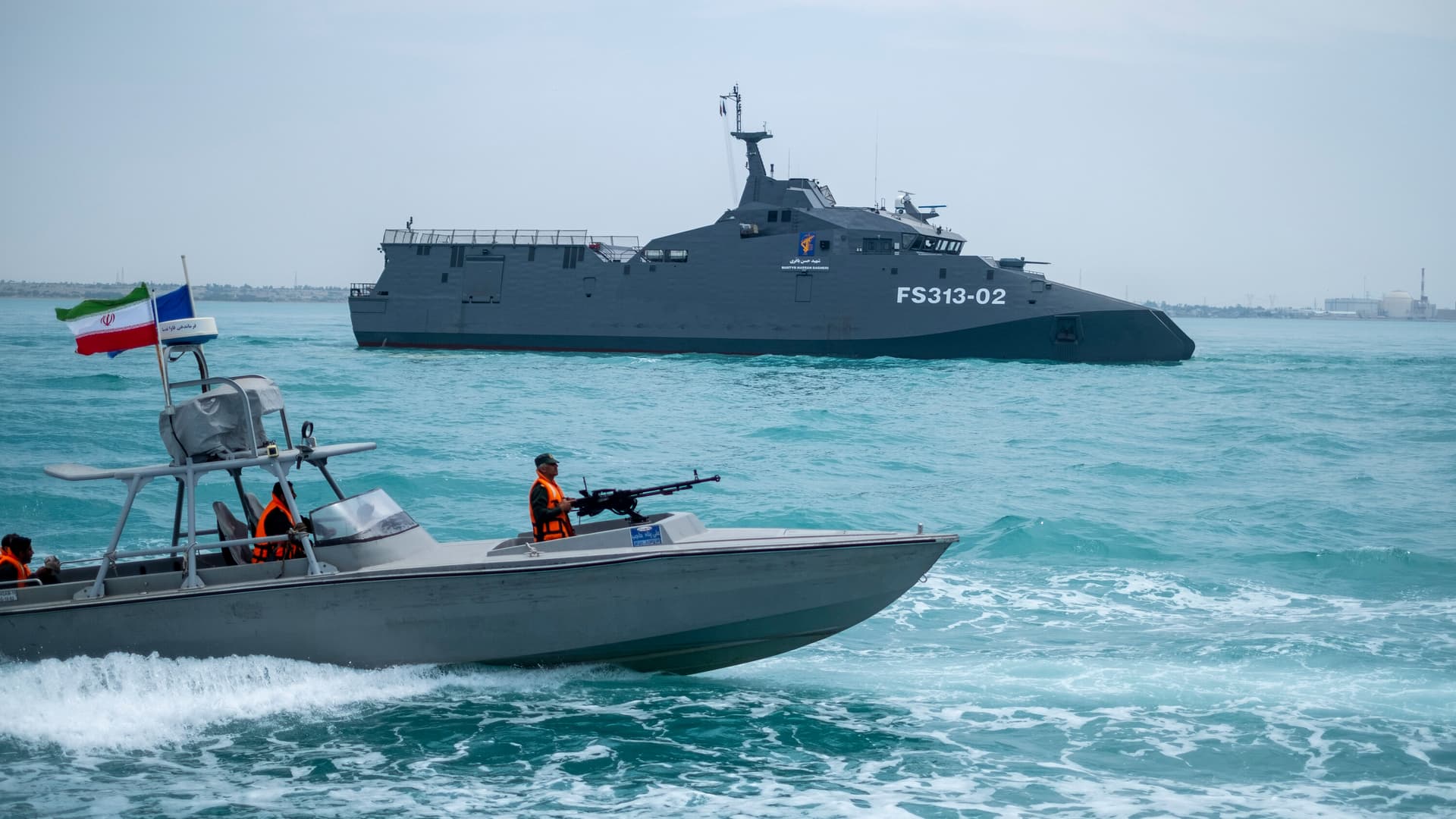
Russia and Sahel allies pledge deeper military cooperation against militants
Russia and the Sahel’s junta-led bloc vowed deeper military cooperation in Niamey, even as militants kept striking Mali, including the April killing of defense minister Sadio Camara.
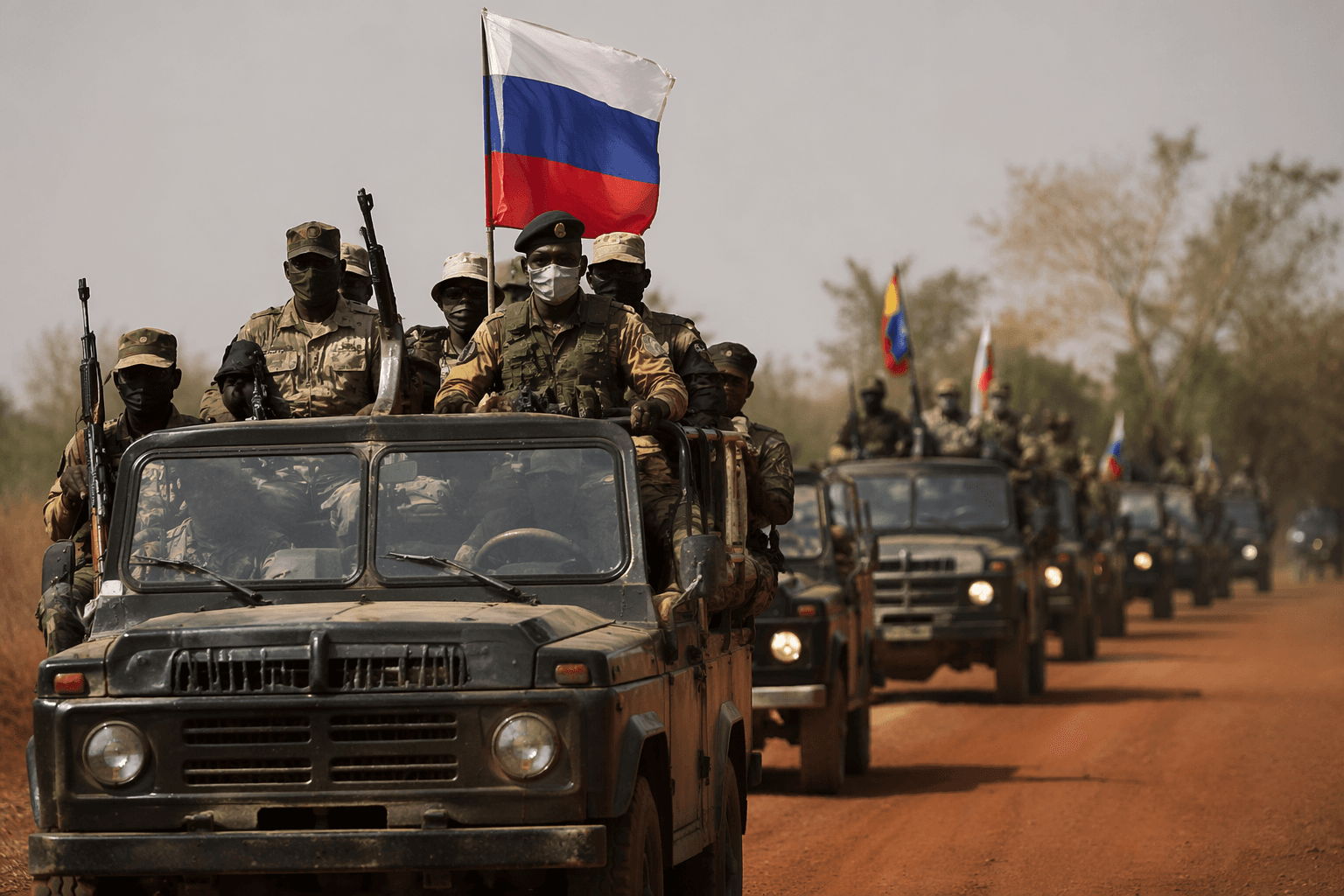
Russia and the Alliance of Sahel States vowed on July 9 in Niamey to deepen military cooperation, as Mali, Niger and Burkina Faso pressed ahead with their break from France and other Western partners. The joint statement said Moscow would keep supporting the bloc’s armed forces, including through Russia’s Africa Corps, while the region’s insurgency continued to spread.
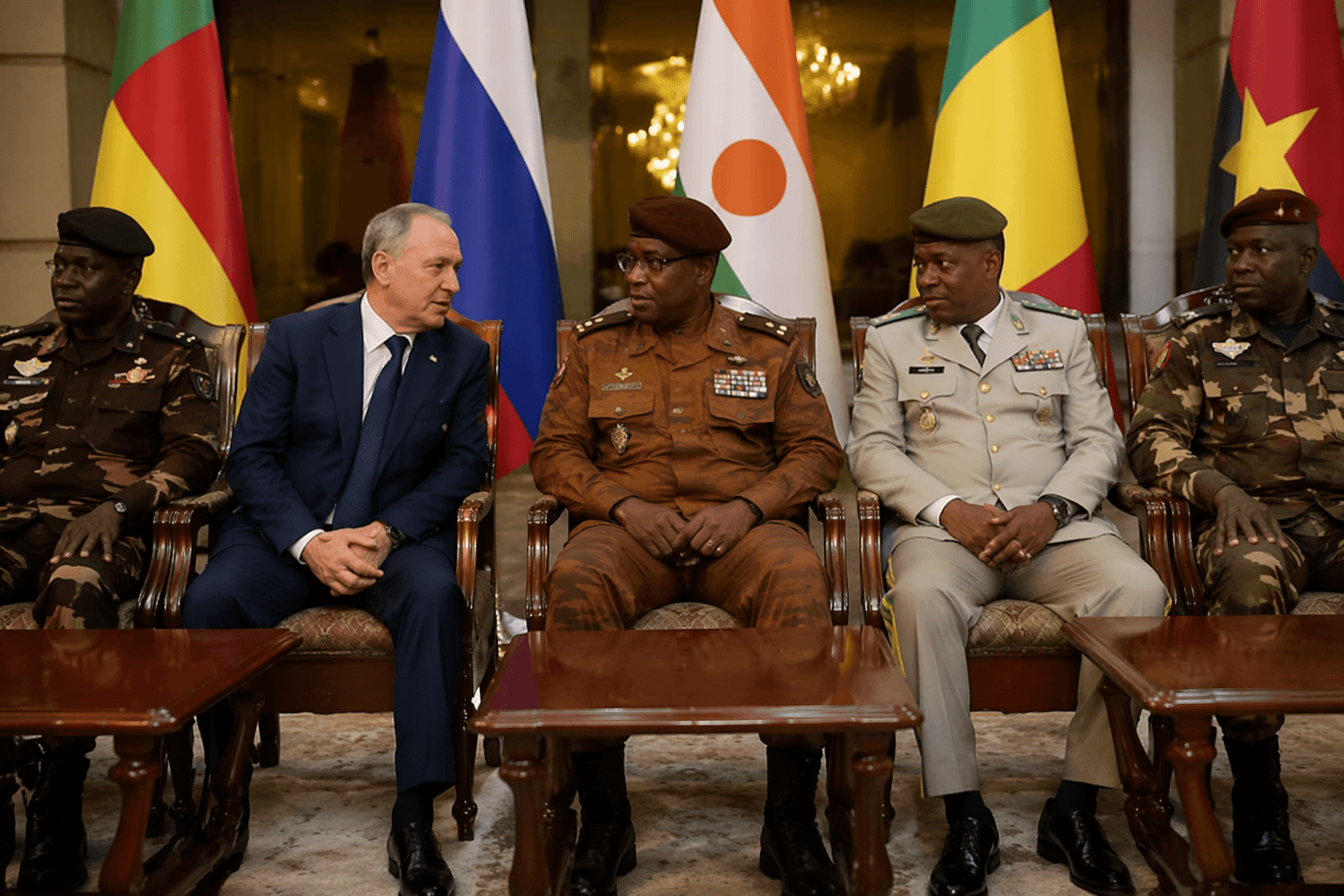
The meeting brought Russian Foreign Minister Sergei Lavrov together with the foreign ministers of the three military-led governments that make up the AES. The sides described their ties as “growing military and military-technical cooperation,” a sign that the relationship has moved beyond diplomacy and into battlefield support for forces struggling to contain jihadist and separatist violence.
The security appeal is clear in Mali, where attacks in April killed Defense Minister Sadio Camara when a car bomb struck his residence in Kati during coordinated assaults on military sites. Those attacks were linked to insurgents including al Qaeda’s West Africa affiliate. In early July, the Malian army said rebels also hit several northern towns and military positions, including Gao and Sévaré, underscoring how far the violence has spread across the country.
The joint statement also accused Ukraine and France of involvement in regional attacks, allegations both countries denied. That charge added another layer to a conflict already shaped by shifting alliances, as the Sahel governments look increasingly to Moscow for military backing after turning away from Paris and other Western partners.
Lavrov continued on to Ethiopia after the Niamey talks, and the Russian-Africa diplomatic push is set to continue with the third Russia-Africa Summit scheduled for October 28-29 in Moscow. The African Union and Russia announced that date on July 7. The United States is also trying to rebuild ties with Mali, Niger and Burkina Faso as Russia expands its military footprint across the Sahel, a region that remains both unstable and rich in strategic resources.
For the AES governments, the test is no longer whether Russia is willing to supply weapons, trainers and political cover. The harder question is whether those ties can produce measurable gains in civilian safety and territorial control in a conflict that has already reached the homes of senior commanders and continued to erupt in the north.
This article was produced by Prism’s automated news system from verified source data, official records, and press releases, then run through automated quality and moderation checks before publishing. The system is built and supervised by the people who set the standards it runs under. Read our full AI policy.
Did this article answer your question?