EU proposes sanctions to target migrant smugglers and traffickers
Brussels wants to freeze assets and ban travel for migrant smugglers and traffickers. The plan would push sanctions into organized crime, but only if all EU governments agree.
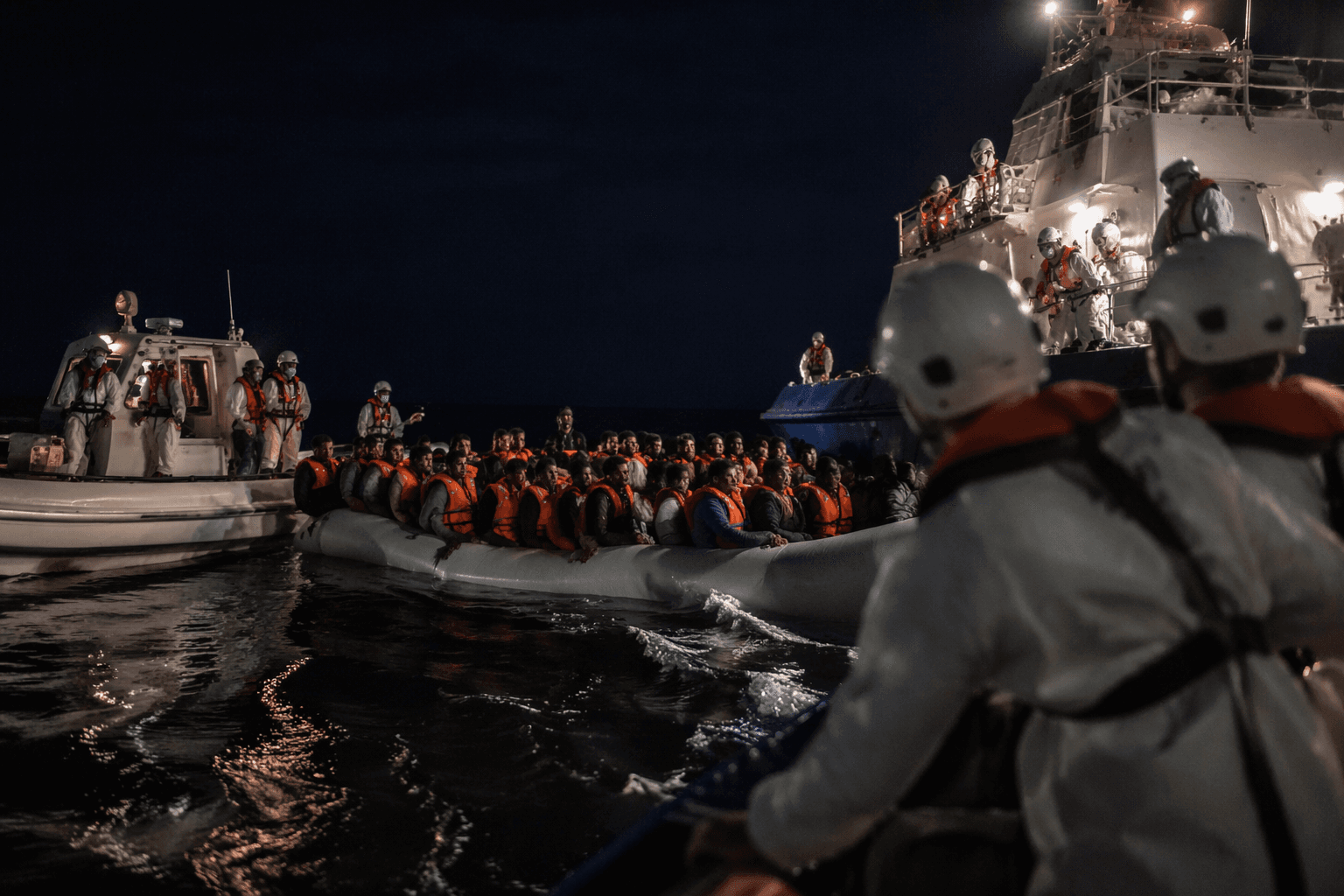
The European Commission and the EU high representative proposed a new sanctions regime on July 8 that would let the bloc freeze assets and impose travel bans on people and entities tied to migrant smuggling, human trafficking and other organized crime. Brussels cast the move as a direct strike at networks that move people and money across Europe’s borders, not just at the borders themselves.
Under the proposal, listed offenders could have any assets within the European Union frozen, while travel bans would block them from entering or transiting the bloc. The aim is to cut off profits, restrict movement and make the business of smuggling harder to run from afar. Ursula von der Leyen had already signaled that approach in her September 10, 2025 State of the Union speech, when she called for a new sanctions system against smugglers and traffickers and argued that Europe should decide who comes and in what circumstances.
The case for the new tool rests on a gap in the EU’s current arsenal. In a March 2026 briefing, the European Parliament Research Service said the bloc did not yet have a dedicated autonomous sanctions regime for transnational organized-crime groups or the people who facilitate them. The same briefing said member states could later widen the scope to include drug trafficking, arms trafficking and financial crime. It also noted that the United Kingdom and the United States already maintain similar sanctions regimes, and that the United Nations has imposed sanctions on migrant smugglers and traffickers in Libya under the UN Libya country regime.

The Commission says migrant smuggling is a highly profitable criminal business, with an estimated annual turnover of more than EUR 5 billion, and that smugglers are increasingly using digital technologies and platforms to carry out their work. That combination has pushed Brussels toward a more targeted enforcement model, one that tries to reach the financiers, brokers and facilitators behind the routes. The proposal still needs unanimous approval from the Council of the European Union before it can take effect, leaving the question of whether it becomes a real enforcement shift or remains mainly a political signal in the hands of national capitals.
This article was produced by Prism’s automated news system from verified source data, official records, and press releases, then run through automated quality and moderation checks before publishing. The system is built and supervised by the people who set the standards it runs under. Read our full AI policy.
Did this article answer your question?