Australia bans social media accounts for under-16s, sparking global debate
Australia’s under-16 social media ban became a global test of age checks, privacy and enforcement as Europe hurried to copy parts of it.

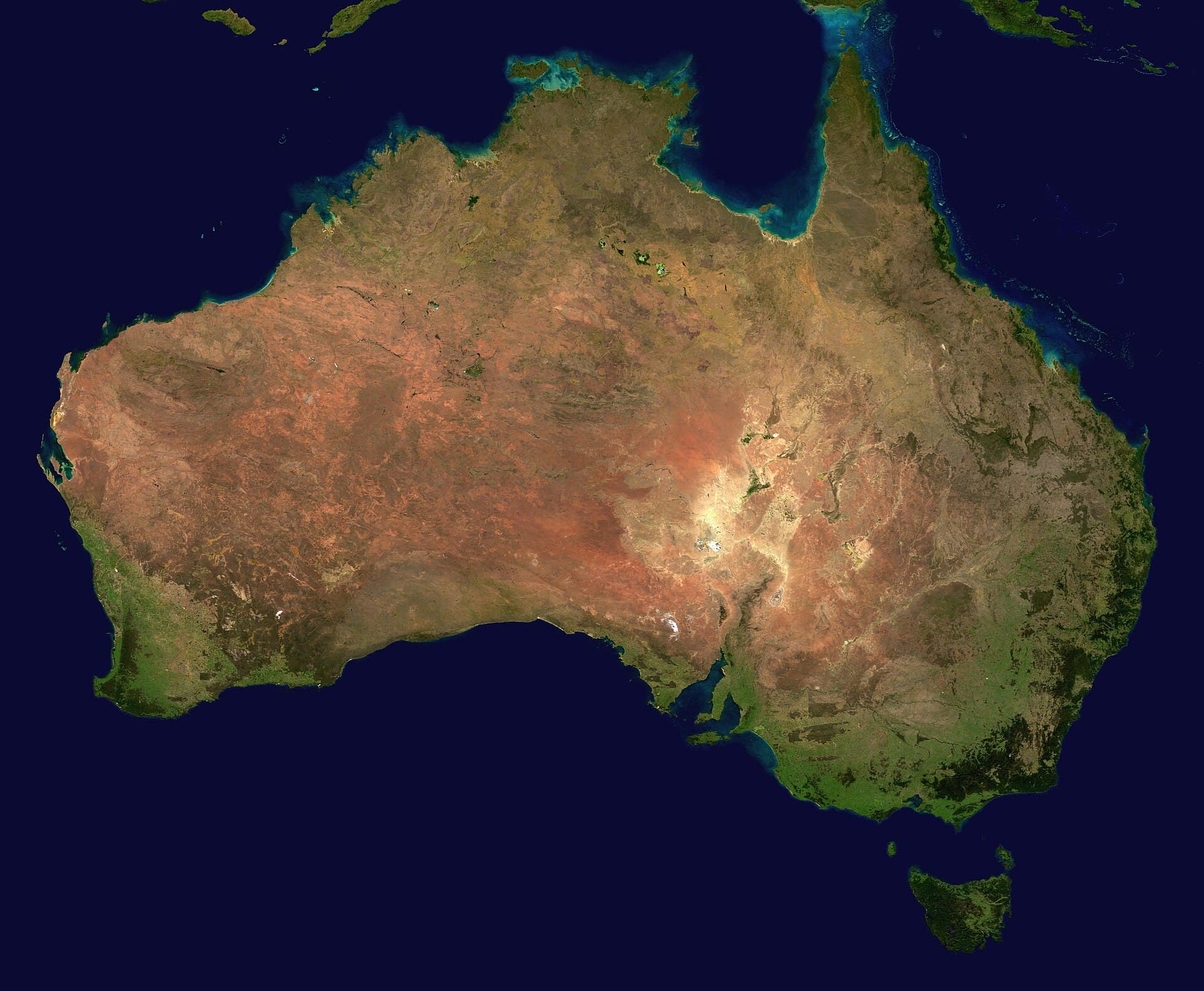
Australia has become the first country to bar social media accounts for children under 16, forcing platforms to confront a rule that is simple on paper and hard in practice. The law took effect on 10 December 2025 and immediately turned account creation into the latest global test case in child-safety policy: whether governments can protect minors from cyberbullying, addiction and predatory contact without building a system that is porous, intrusive or easy to bypass.
The measure is the Online Safety Amendment (Social Media Minimum Age) Act 2024, passed by the Australian Parliament in November 2024. It requires age-restricted platforms to take reasonable steps to prevent Australians under 16 from holding accounts, and companies that fail to comply face fines of up to A$49.5 million. The restriction covers major services including TikTok, Instagram, Facebook, YouTube, Snapchat, Reddit, Threads, Twitch, X and Kick.

Australian officials have framed the policy as a public-health intervention as much as a digital rule. The government said it was designed to protect children’s mental health and wellbeing and to give them more time to develop emotional, social and digital skills before joining social media. The eSafety Commissioner has said the restrictions are in effect and part of Australia’s world-first social media age restrictions. Officials have also stressed that the law is not a total ban on the internet or on viewing content, only on account creation and retention.
The response has been sharply divided. Parents and child advocates largely welcomed the change, while tech companies, free-speech advocates and digital-rights groups argued that the law was overbroad and could isolate vulnerable teenagers. Australia’s law has already been challenged in the High Court on constitutional grounds, with critics saying it limits young teens’ implied right to freedom of political communication.
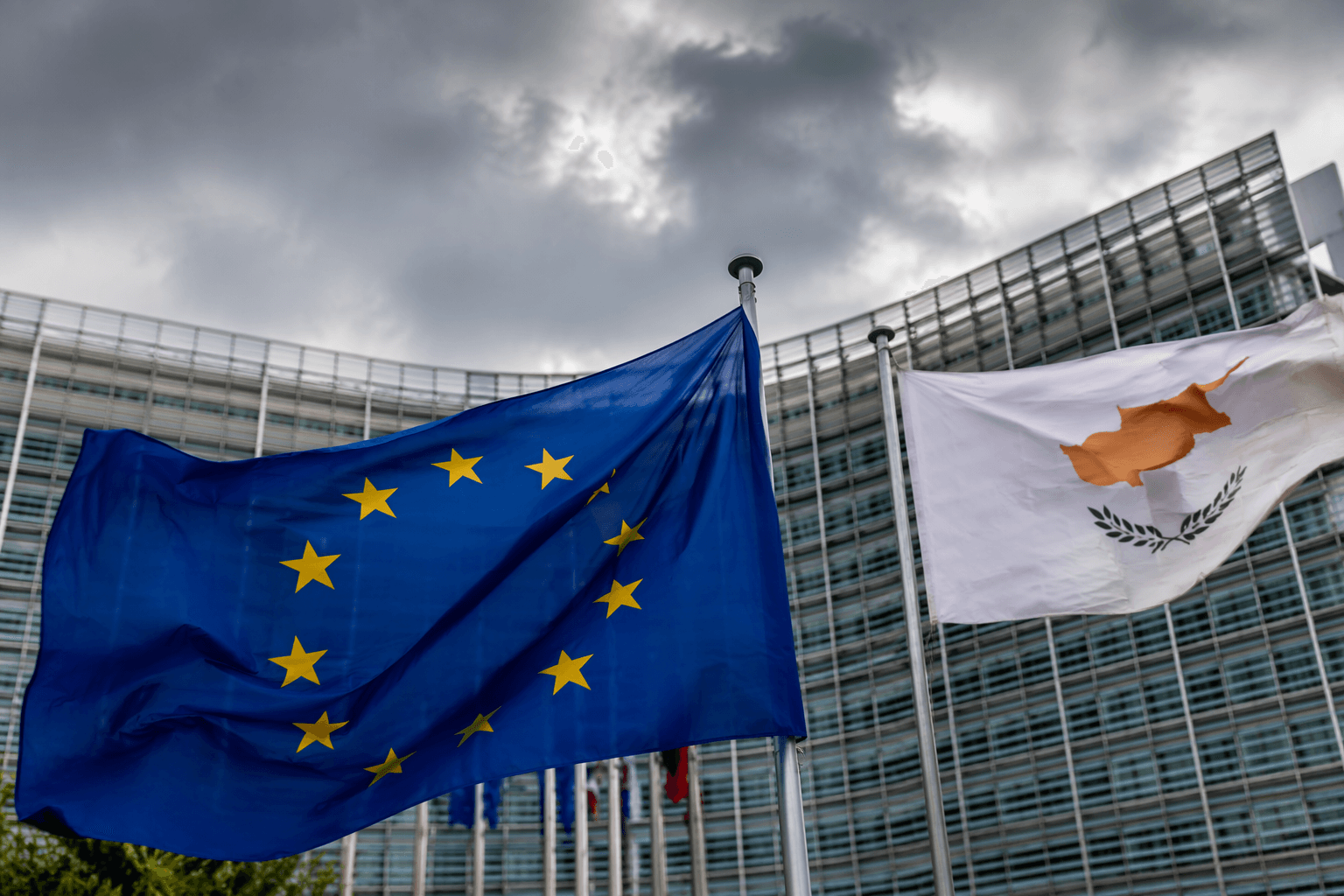
Outside Australia, the move has accelerated a broader policy scramble. Reuters reported in June 2026 that several European countries were moving toward similar restrictions, often with under-15 or under-16 age limits, while the European Commission urged faster rollout of an EU age-verification app by the end of 2026. In Brussels, that debate has centered on whether the future lies in outright bans, age-gating tools or tighter platform regulation. Australia has now made itself the case everyone else is watching, because the hardest question is not whether children should be safer online, but whether governments can enforce that safety without creating a new set of problems.
This article was produced by Prism’s automated news system from verified source data, official records, and press releases, then run through automated quality and moderation checks before publishing. The system is built and supervised by the people who set the standards it runs under. Read our full AI policy.
Know something we missed? Have a correction or additional information?
Submit a Tip